[Editorial] Estimated Tax Surplus of 15 Trillion Won This Year Should Be Used for Future Growth
- Input
- 2026-06-14 18:47:18
- Updated
- 2026-06-14 18:47:18
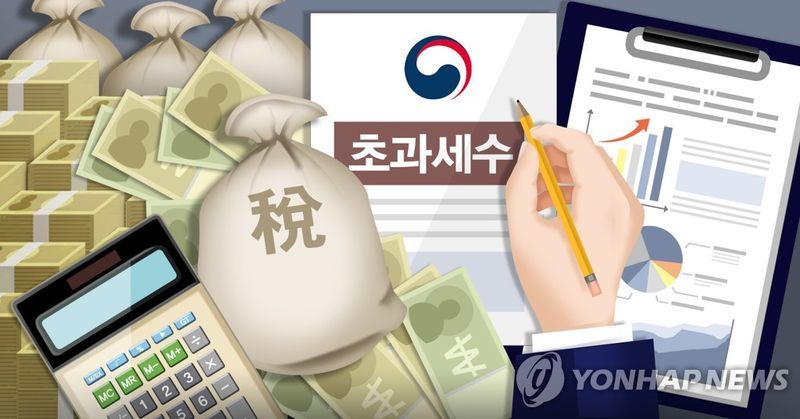
The main reason for this year's tax surplus is the increase in corporate tax revenue from the strong performance of some industries, including semiconductors. Income tax and securities transaction tax payments are also rising. After years of chronic tax shortfalls, the country's fiscal situation has improved for the first time in a long while.
The issue is how to use the unexpectedly large surplus. We believe the most useful option at present is to channel it into funds for future growth. There is concern that the money could be used for broad cash handouts to the public, but it is fortunate that the government does not appear to think differently.
Above all, Lee Jae-myung made such remarks. At a recent press conference marking his first year in office, he said, "I think we should invest in ways that benefit future generations and strengthen the growth potential of the Republic of Korea." Inside and outside the government, officials are reportedly considering creating a so-called Future Response Fund, financed by the tax surplus.
When excess tax revenue occurs, the national fiscal system sets out how it should be used and what procedures must be followed. Examples include settling local grants or repaying debt. But now we need to identify the areas where money is most urgently needed. That means investment in advanced industries and new future industries.
Countries around the world are pouring enormous sums into semiconductors, artificial intelligence, robotics, and biotech. China's advanced industries have quickly become a threat to South Korea, and in some areas have already surpassed its technological capabilities, largely thanks to state support. The same is true for Taiwan and Japan, which compete with us.
Private companies have limits to how much they can invest. Under a market economy, direct state support may be constrained, but there are still many possible ways to provide it. Indirect measures such as tax incentives and infrastructure support are also possible. The public and private sectors must work together to create the best investment plan.
Tax revenue can rise or fall depending on economic conditions. No one knows how long this tax boom will last. Even if the boom continues through next year, a tax shortfall like last year's could follow after that.
There is a saying that one should row while the water is rising. A budget was needed to nurture growth engines, and the excess tax revenue is like a pumpkin that has rolled in on its own.
We must not miss the opportunity and should use it wisely. Once a chance is lost, no one knows when it will come again. It has become clear that the universal relief payment package, which cost more than 10 trillion won, did not lead to an expansion in domestic demand. In the end, although it will take time, investment in the future has been proven to be an effective way to improve livelihoods. Even if it is difficult now, we must look ahead. The same applies to national finances.