U.S. government abruptly bans overseas access to AI 'Mythos' over security concerns, imposes export controls
- Input
- 2026-06-13 11:39:42
- Updated
- 2026-06-13 11:39:42
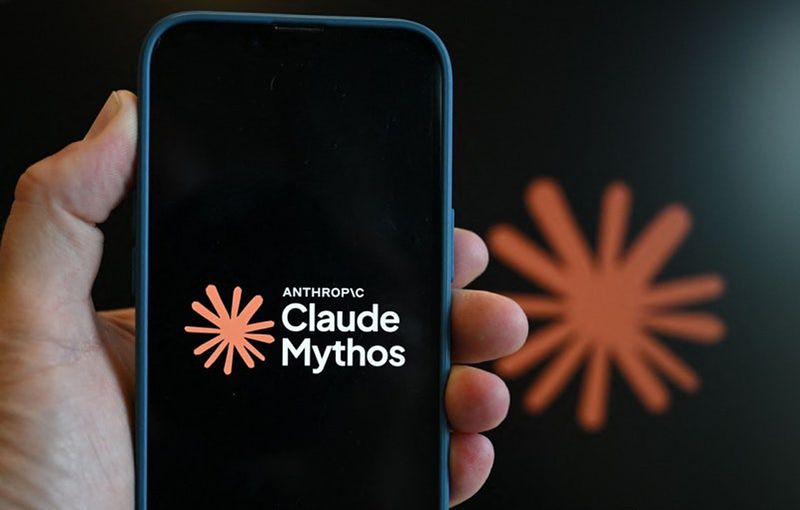
The main trigger for the blockade was the jailbreak issue that erupted inside and outside Silicon Valley. A private security firm recently claimed it had fully bypassed Anthropic's flagship Mythos platform and successfully jailbroken it, prompting the National Security Agency (NSA) and the Commerce Department to begin emergency administrative controls.
Mythos has advanced, expert-level cyber vulnerability detection capabilities, and U.S. security leaders were alarmed by concerns that, if leaked to hostile countries or hacker groups abroad, the technology could be turned into an uncontrollable autonomous hacking agent.■ Anthropic official statement: "It's only a GPT-5.5-level bypass... blocking global AI deployment would be a disaster"Anthropic immediately shut down the services in full to comply with the U.S. government's directive, but it also directly criticized the Commerce Department's administrative action in an official statement. In the statement, the company argued that "the jailbreak method the government is concerned about is only an extremely narrow vulnerability, and the same issue can already be found in OpenAI's GPT-5.5 and other leading AI models from major tech companies that have been fully released to the market and are used every day for defensive purposes."
Anthropic added that it "cannot possibly agree to forcibly withdrawing a core commercial AI model used by hundreds of millions of people around the world simply because a simple and localized bypass has been identified," warning that "if such unclear regulatory standards are applied uniformly across the industry, the release of next-generation models by all frontier AI developers will effectively come to a complete halt, creating a disaster."
The company also said the Commerce Department's action violated the basic principles of government administration, which require transparency, fairness, and a foundation in technical facts.■ An extension of the U.S. Department of Defense conflict... White House security review outcome seen as a valuation factorDefense and security experts say the Commerce Department's sudden compulsory sanctions were far from unexpected. In fact, the U.S. Department of Defense has repeatedly clashed with Anthropic as it has worked to bring space and technology infrastructure, including SpaceX, into the formal national security asset framework. In the past, when the Pentagon demanded a pledge opposing the use of Anthropic's AI models for military autonomous weapons and other purposes, it unusually labeled Anthropic a "Supply Chain Risk" company and maintained a hardline standoff in an effort to exclude it from Pentagon procurement systems.
Against this backdrop of a prolonged power struggle between the government and Big Tech, analysts say the latest security issue gave the government the ideal justification to legally impose defensive regulatory restraints. Under the current administrative action, a multi-pronged security assessment of the Mythos model has reportedly begun under the leadership of Sean Cairncross, Director of the Office of the National Cyber Director (ONCD) at the White House.
Investment banking industry insiders said, "The 'AI dominance' phase, in which global capital was flowing only into the AI market as SpaceX's mega IPO gained traction and the Virtual Asset market suffered from a liquidity squeeze, has now run into the strongest possible brake: government security risk." They added, "Because the U.S. government's national security screening period is expected to remain in force for at least several weeks, the balance of power in the global tech market will likely shift depending not only on technological strength but also on how well each country manages regulatory risk."
[email protected] Lee Jong-yoon Reporter