Signing of U.S.-Iran War End MOU Imminent... What Are the 'Unfinished Sparks' Blocking a Full Settlement?
- Input
- 2026-06-13 10:15:28
- Updated
- 2026-06-13 10:15:28
This marks the first time since the outbreak of the war that the Supreme Leader's ratification of an official agreement between the two nations has been confirmed. This agreement is expected to be a historic watershed moment, marking the first time in 47 years that the two countries explicitly state in writing that they respect each other's sovereignty and governance. Minister Araghchi confirmed that the agreement has reached its final stage, suggesting that the final procedures would proceed via remote signing rather than face-to-face meetings.
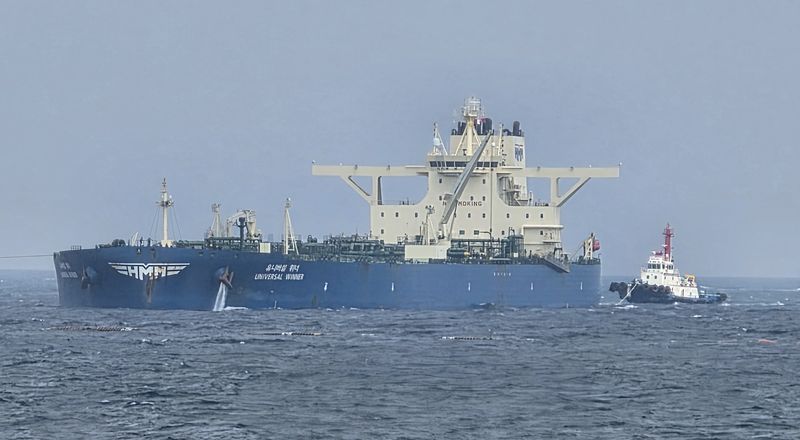
However, elements of conflict behind the actual battlefield remain a potential obstacle. While agreeing to the end of the war and the reopening of the Strait of Hormuz, Iran has drawn a line in the sand, refusing to revert its control over the strait to pre-war status. They have maintained their policy of imposing "service fees" on global vessels passing through the Strait of Hormuz, which is under the sovereignty of Iran and Oman.
This is interpreted as an intention to hold control of this waterway, through which one-fifth of the world's ocean-going crude oil transport passes, and to use it as a leverage against the United States at any time. Furthermore, the nuclear control sector, a key demand of the United States, is also expected to face difficulties. Iranian authorities have clarified their strategy to strictly separate the signing of this MOU from nuclear negotiations.
They intend to proceed to the next stage of nuclear negotiations only after the provisional agreement is fully implemented, and are insisting on accepting only domestic dilution methods instead of the export of enriched uranium—a measure continuously pressured by the U. S. —leading to predictions that intense friction is inevitable during the upcoming second round of negotiations.
However, some international security experts suggest that while this peace agreement is clearly a massive boon for restoring the Middle East logistics network on the verge of collapse, potential volatility remains due to risks regarding strait transit fees and Israel's strong opposition. Therefore, they advise that the potential impact on the capital market must be analyzed from various angles. Amidst the armed standoff between the U.
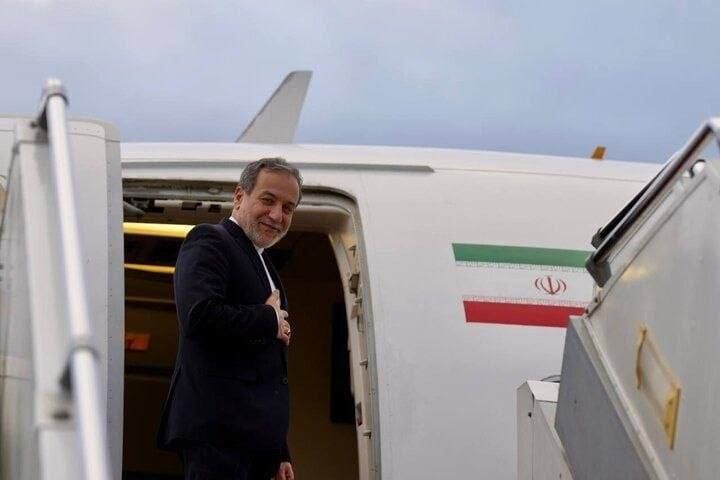
S. and Iran over the Strait of Hormuz, Iranian Foreign Minister Abbas Araghchi embarked on a visit to China on May 5 (local time). The Iranian Foreign Ministry announced via Telegram that Minister Araghchi would be visiting Beijing on that day.
[email protected] Lee Jong-yoon Reporter