Google may have some next-generation AI chips produced by Samsung, raising hopes for 2nm orders
- Input
- 2026-06-12 11:57:22
- Updated
- 2026-06-12 11:57:22
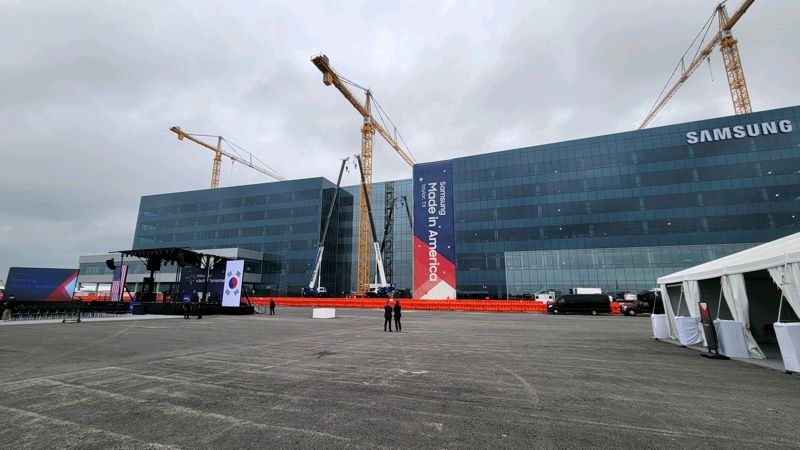
[Financial News] Samsung Electronics is expected to take on part of the production of Google's next-generation artificial intelligence (AI) chips, according to a foreign media report.
The Information, a U.S. technology media outlet, reported on the 11th local time, citing multiple sources, that Google is discussing plans to assign production of key components for its 10th-generation Tensor Processing Unit (TPU) to Samsung Electronics Foundry.
Google plans to split production of the TPU, known by the codename "Icefish," between TSMC and Samsung Electronics by component.
The main processor, which handles computation, is likely to be manufactured using TSMC's 1.4nm process, while Samsung Electronics is expected to produce the memory I/O die, a key component that connects the processor to High Bandwidth Memory (HBM), using its 2nm process.
Analysts say Google's choice was influenced in part by Samsung Electronics' technical expertise in advanced memory, including HBM. That raises the possibility that Samsung Electronics' Memory Business Division could supply HBM, while the foundry division produces the I/O die and then handles advanced packaging to assemble it with the main processor.
Google is currently designing the Icefish chip with Taiwan-based semiconductor design company MediaTek and plans to begin full-scale mass production in 2028.
If the contract becomes a reality, Samsung Electronics' foundry business is expected to gain momentum. Samsung Electronics is chasing TSMC, the global No. 1 foundry player, but the market share gap remains wide. Industry watchers say securing a global big tech customer like Google would not only demonstrate competitiveness in advanced processes, but also help attract new clients.
[email protected] Lim Subin Reporter