SpaceX in the Final Stretch Toward a Nasdaq Listing... Overvaluation Debate Continues
- Input
- 2026-06-11 15:20:44
- Updated
- 2026-06-11 15:20:44
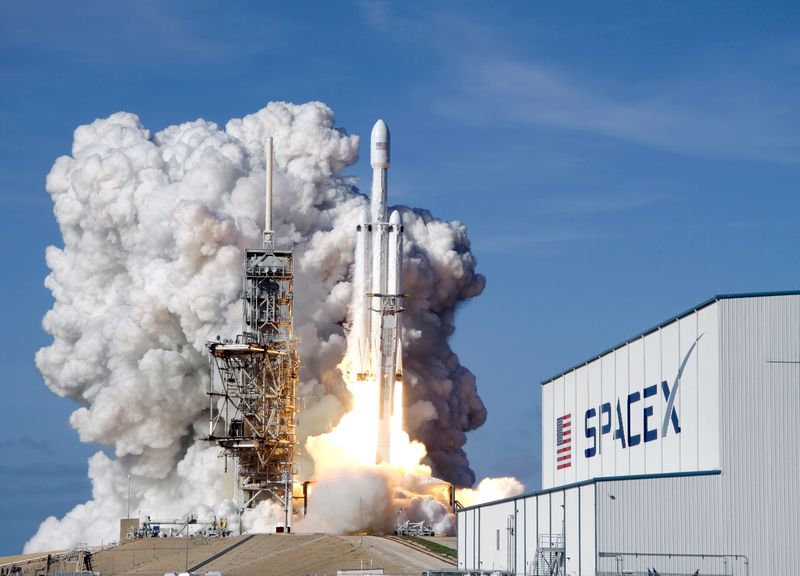
[Financial News] SpaceX, the U.S. space company, is facing an overvaluation debate as it prepares for what would be the largest initial public offering (IPO) in history on Nasdaq on the 12th local time. Experts say the company's future revenue model remains unclear, and that its real value depends on whether the Starship currently under development succeeds.
Subscriptions have already exceeded the target by more than four times, setting up the largest IPO on record
Local media outlets, including Yahoo Finance, reported on the 10th, citing sources, that the amount of IPO subscription money received for SpaceX so far is more than four times the company's target. The source said the lead underwriters will complete orders from institutional investors by 4 p.m. on the 10th. SpaceX will finalize its offering price on the 11th and begin trading on Nasdaq under the ticker symbol "SPCX" on the 12th.SpaceX, the private space company founded in 2002 by Tesla CEO Elon Musk, filed listing documents with the U.S. Securities and Exchange Commission (SEC) on the 3rd. The company said it plans to raise about $75 billion by issuing 555,555,555 common shares at an offering price of $135 per share. That would make it the largest IPO in global history, and the offering price could still change through the 11th.
Based on the preliminary offering price, SpaceX's valuation would reach $1.77 trillion. That would make it the seventh-most valuable company on the U.S. stock market, behind NVIDIA, Alphabet Inc., Apple, Microsoft, Amazon.com, Inc., and Broadcom Inc.
On the 10th, Business Insider reported that Senator Elizabeth Warren of Massachusetts, the Democratic ranking member of the United States Senate Committee on Banking, Housing, and Urban Affairs, released a letter sent to the SEC. She said that "numerous optimistic assumptions" would be needed to justify SpaceX's valuation, arguing that there are problems with the pricing. She also called for the listing to be delayed to protect investors.
Questions have also emerged on Wall Street. Morningstar, a U.S. financial services firm, valued SpaceX at $780 billion in an investor report on the 1st. Jim Chanos, founder and chairman of Kynikos Associates, who is known on Wall Street as a master of short selling, also questioned SpaceX's proposed valuation on the 10th. He argued that "no reasonable assumptions over the next five years would get anywhere near that price."
The main concerns raised by experts are SpaceX's cash flow and uncertain revenue model. The company currently makes money from satellite launch services for reusable rockets and from its satellite internet business, Starlink. At the same time, SpaceX merged with the U.S. artificial intelligence company xAI in February and is also looking for revenue opportunities in AI. Musk has said the merger will involve building data centers in space to support AI.
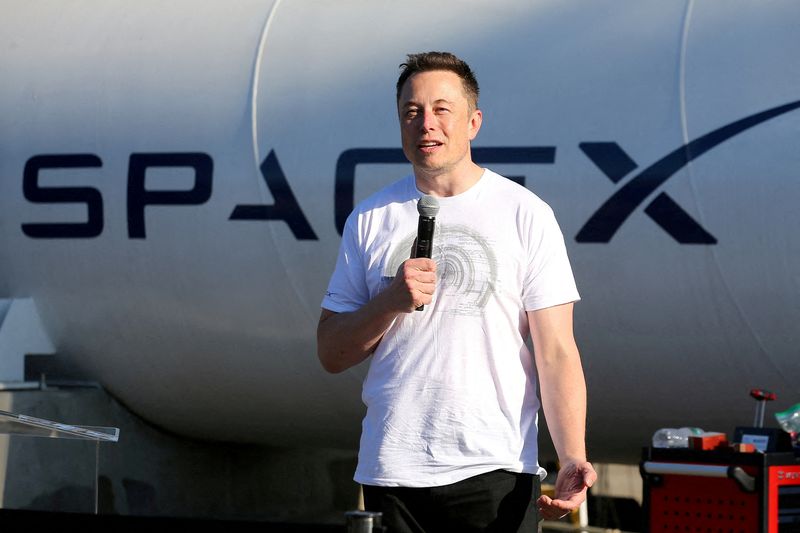
Overvaluation debate grows amid shaky finances
SpaceX posted a net loss of $4.28 billion in the first quarter, partly due to the xAI acquisition. In addition, the company must repay $20 billion in bridge loans by September next year. The loans were used in March to refinance debt from X (formerly Twitter) and xAI, which SpaceX took over.Financial sources told local media on the 10th that, despite its weak financial position, SpaceX has received investment-grade ratings from the three major U.S. credit rating agencies: Moody's Corporation, Fitch Ratings, and S&P. If that report is true, SpaceX is likely to issue corporate bonds after listing.
Morningstar said SpaceX's current valuation is based on the assumption that it can create "new revenue streams, such as space-based data centers," adding that "the feasibility of the business, its timing, and its financial performance remain uncertain."
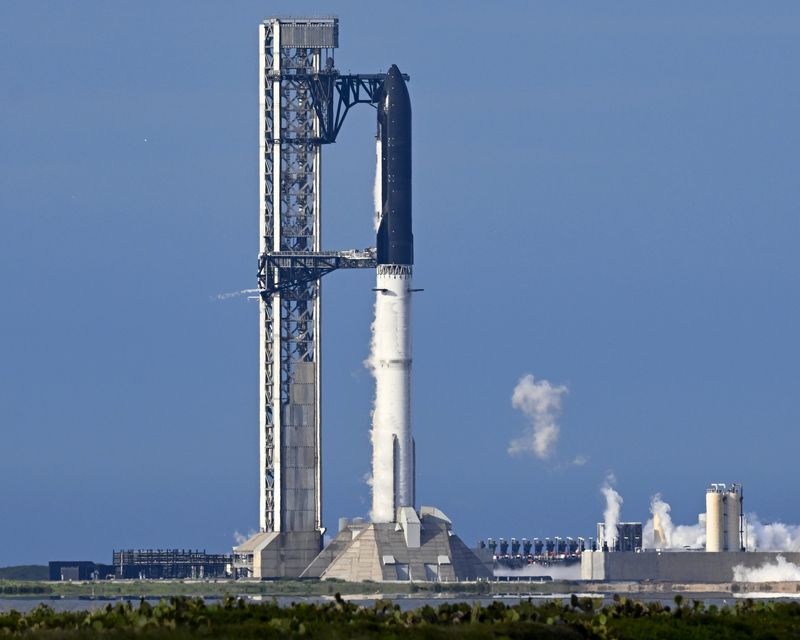
In a related report on the 10th, the Financial Times said SpaceX's fate depends on Starship. Starship is the largest launch vehicle ever developed by humanity, and Musk began developing it in earnest in 2016. The spacecraft was originally designed for Mars exploration, but it can carry about 100 tons of cargo into space, making it essential for building off-planet infrastructure such as Musk's space data centers and additional Starlink satellites.
There are also positive views about SpaceX's future. According to The Wall Street Journal on the 10th, ARK Investment Management said SpaceX's valuation is "based on a realistic growth trajectory." ARK Investment Management, which holds the largest stake in SpaceX's private shares, expects the company's valuation to reach $2.5 trillion by 2030.
Meanwhile, the New York Times reported on the 10th that about 4,400 SpaceX employees who received company stock are expected to become millionaires, meaning they will have a net worth of more than $1 million, through this listing. Musk is expected to become the world's first trillionaire.
[email protected] Park Jong-won Reporter