‘Ghost’ Tankers Sneaking Through the Strait of Hormuz Keep Global Oil Prices in Check
- Input
- 2026-06-10 13:24:31
- Updated
- 2026-06-10 13:24:31
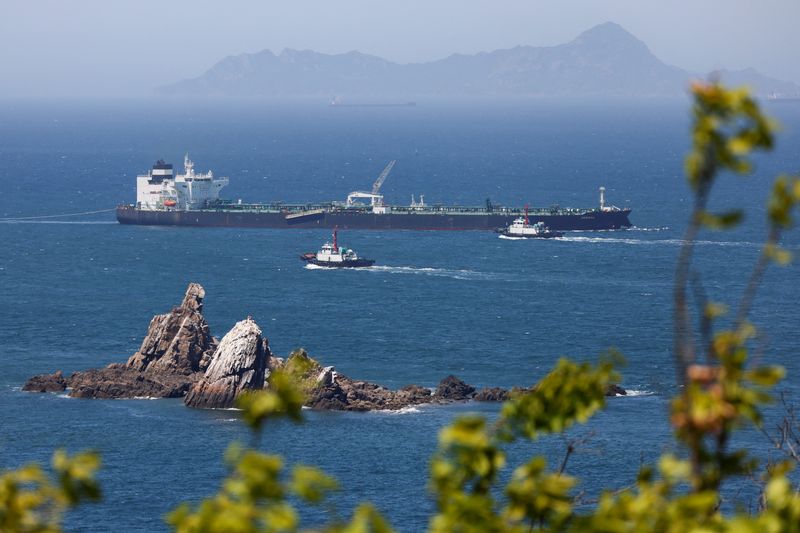
[Financial News] Global oil prices, which had fluctuated above $100 per barrel in the first half of the year, have stayed near $90 despite the blockade of the Strait of Hormuz, intensifying questions about where the oil is coming from. Experts say ‘ghost’ tankers are sneaking through the strait, while demand from China has weakened.
Many tankers are still sneaking through the Strait of Hormuz
In a report on the 9th local time, CNN said the main reason global oil prices have recently stabilized is the presence of ‘ghost’ tankers slipping through the Strait of Hormuz. Brent crude futures, which were around $70 per barrel before the outbreak of the Iran War in February, surged to $118 per barrel at the end of March and again at the end of April, but have been falling this month. Brent settled at $91.62 per barrel on the 9th, down 2.79% from the previous session, and then traded at $92.33 per barrel on the 10th, up about 1% despite news of renewed clashes between the United States and Iran.CNN emphasized that the Strait of Hormuz, through which about 25% of the world’s maritime oil shipments normally pass, has been blocked for about three months because of the Iran War. According to JPMorgan Chase, the amount of oil passing through the strait before the war was 15.6 million barrels per day. JPMorgan said current traffic through the strait is only about 15% of prewar levels.
However, the amount of oil passing through the strait during the last two weeks of last month reached 2.1 million barrels per day. Natasha Kaneva, head of global commodities strategy at JPMorgan Chase, wrote in a client note last week that "despite the naval blockade and a decline in merchant shipping, an astonishing volume of crude oil and petrochemical products still appears to be moving through the Strait of Hormuz."
Chris Wright, the U.S. Secretary of Energy, also attended an event hosted by the Atlantic Council on the 9th and said the number of ships passing through the Strait of Hormuz had increased "very significantly" compared with one or two weeks earlier. Jan Stuart, global energy economist at Piper Sandler, said the volume of crude oil that passed through the Strait of Hormuz in May averaged 2.9 million barrels per day. He noted that tankers carrying 2.1 million barrels of that total paid transit fees to the Iranian side. He claimed the remaining roughly 900,000 barrels were transported by ghost tankers with their tracking devices turned off. Stuart said, "Ghost or covert shipping helps [oil prices]," adding that "the current oil crisis is in much better shape than I expected."
Bob McNally, chairman of the U.S. energy consulting firm Rapidan Energy Group, said, "We see traffic through the Strait of Hormuz at 0% to 10% of prewar levels, but if you factor in additional leakage [ghost shipments], actual traffic could be higher."
China's lower imports are also having an impact...a fundamental solution is needed
However, Wright of the U.S. Department of Energy did not acknowledge such ‘ghost shipping.’ At the event on the 9th, he said multiple factors were at work in keeping oil prices from rising above $200 per barrel. He pointed out that about 30 countries, including the United States, had released strategic petroleum reserves, and that China, once the world’s largest oil importer, had recently cut imports to around 4 million barrels per day. CNN also explained that China has been drawing down existing stockpiles as it reduces imports.Wright described China’s import cuts as "a halt to building up strategic reserves." He added, "They are releasing some of those reserves, lowering refinery utilization to reduce product output, and dampening economic activity. But this is not a permanent change."
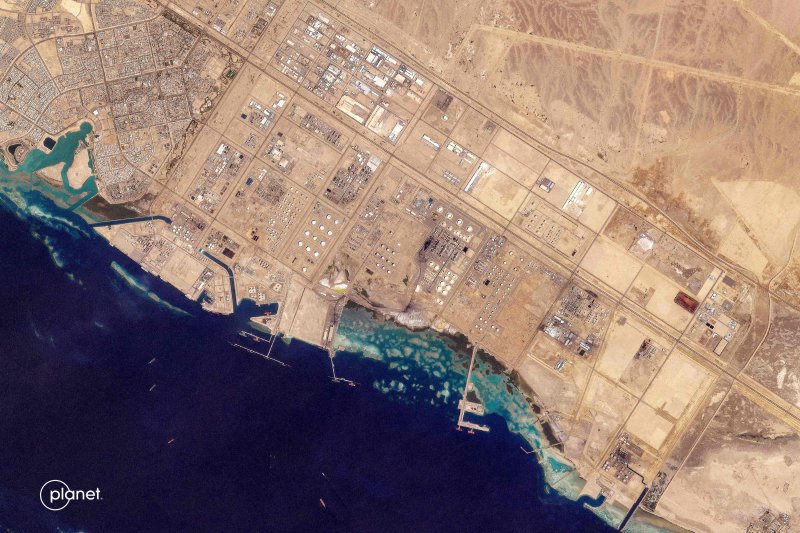
Piper Sandler also said about 4.5 million barrels per day move through Saudi Arabia’s East-West Crude Oil Pipeline, which links oil fields in the country’s eastern region with Yanbu Port on the Red Sea coast. That volume continues to be exported through the Red Sea despite the blockade of the Strait of Hormuz.
Experts said such ghost shipments cannot fundamentally solve the oil shortage problem. CNN stressed that the U.S. strategic petroleum reserve is already shrinking to levels similar to those seen in the early 1980s.
Stuart of Piper Sandler highlighted the decline in oil inventories around the world and warned that "the situation will get worse." He forecast that Brent crude could reach $130 per barrel in July and August. He said the price surge would likely prompt more countries to release reserves and encourage restraint in oil consumption.
Wright said it would take time for oil prices to normalize. "It will take some time," he said. "Ships are rerouting, and some supply chains have changed or been disrupted, so it will probably take months for energy flows to return to normal."
[email protected] Park Jong-won Reporter