"Hold off on hoarding dollars"...FSS urges banks to help defend the won
- Input
- 2026-06-09 16:31:48
- Updated
- 2026-06-09 16:31:48
On the 9th, the FSS held a Meeting with Banks on Foreign Exchange Market Stabilization, chaired by Sung Wook Kim, Deputy Governor for Banking and Microfinance, and called in foreign exchange executives from major commercial banks and Foreign Bank Branches.
The meeting was a follow-up to the Joint Meeting to Review the Foreign Exchange Market by Relevant Agencies, which was held the previous day with the government, the Bank of Korea, the Financial Services Commission (FSC), and the FSS.
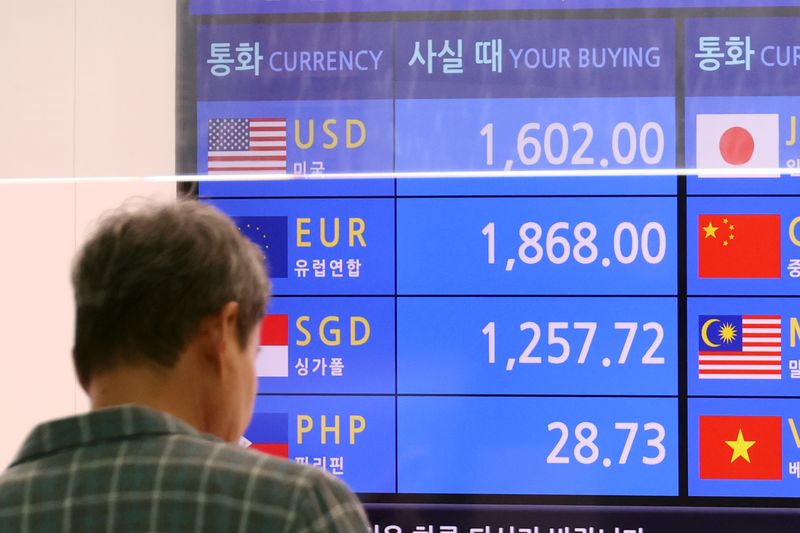
In the Seoul Foreign Exchange Market, the won–dollar exchange rate closed at 1,512.1 won, down 22.9 won from the previous trading day. After surging past the 1,550-won level, the exchange rate has eased somewhat following a series of verbal interventions by the foreign exchange authorities. Still, concerns remain as factors weighing on the won continue to linger.
At the meeting, Kim urged the banking sector to comply on its own with market trading norms and strengthen internal controls to prevent market disruption, in preparation for excessive volatility in the foreign exchange market.
He also stressed the need to curb excessive promotions and marketing tied to U.S. dollar deposits when exchange rate volatility is high, and to strengthen consumer guidance on the risk of foreign exchange losses. As dollar deposits by individuals and companies have recently increased, the authorities believe that sales tactics that fuel expectations of exchange gains could deepen market anxiety.
He also asked banks to pay attention to speculative foreign exchange trading that could trigger an excessive rise in the exchange rate, and to cooperate so that offshore non-deliverable forward (NDF) trading does not add to market volatility.
Management of foreign exchange positions will also be tightened. For major banks, the review cycle for foreign exchange positions will be shortened from a monthly basis to a weekly, or even daily, basis.
The burden of holding foreign currency will be temporarily eased to help resolve imbalances in foreign exchange supply and demand. In connection with the advanced Foreign Currency Liquidity Stress Test for financial institutions, the supervisory measure requiring institutions that fail to meet the standard to submit a liquidity expansion plan to regulators has been extended through the end of this year.
The stress test is a system under which banks are regularly assessed on their ability to respond to dollar funding needs under crisis scenarios. The grace period had originally been set to run through the end of this month, but it has been extended as the exchange rate rises, lowering the threshold for foreign currency liquidity management.
The Bank of Korea will also conduct a joint inspection to check for speculative trading and market-disrupting behavior in the foreign exchange market. Starting with this meeting with the banking sector, the FSS also plans to hold similar sessions in sequence with other major financial sectors, including securities and insurance, to tighten oversight.
[email protected] Lee Jumi Reporter