NEC Says 140 Polling Stations Sent Additional Ballots; Truth-Finding Committee to Launch on the 10th
- Input
- 2026-06-09 05:17:41
- Updated
- 2026-06-09 05:17:41
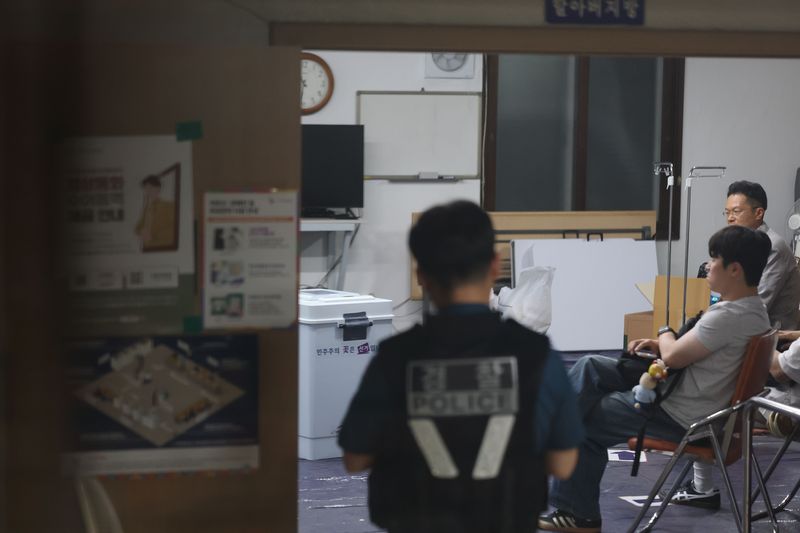
[Financial News] As ballot shortages emerged during the main voting process for the June 3 local elections, the National Election Commission (NEC) released the results of an additional investigation and began procedures to determine the facts. The number of polling stations that received additional ballots rose to 140, and 26 of them had suspended voting because of the shortage before resuming.
The National Election Commission said in a press release on the 8th that it had disclosed the findings.
According to the release, 140 polling stations nationwide were sent extra ballots in anticipation of shortages on election day. That is 73 more than the preliminary tally announced on the 5th. There were 14,288 polling stations nationwide in total.
By region, Seoul had the most with 53, followed by Gyeonggi Province with 36, Incheon with 18, Busan with 9, Daegu with 7, South Gyeongsang Province with 5, Jeonnam with 4, Ulsan Metropolitan City with 3, Gangwon Province with 2, and North Chungcheong Province, North Jeolla Province and North Gyeongsang Province with 1 each.
The number of polling stations where the additional ballots were actually used also rose from 50 to 91. In Seoul, the figure increased from 33 to 42, while Incheon rose from 6 to 11. Additional cases were also confirmed in Gyeonggi Province with 23, Jeonnam with 2, North Chungcheong Province with 1 and North Jeolla Province with 1.
Polling stations where voting was temporarily suspended and then resumed because of ballot shortages were identified at 26 nationwide, up by 4 from the previous announcement. In Songpa District, Seoul, the number of such polling stations increased from 12 to 15, and one additional case each was confirmed in Buk-gu, Busan, Dong-gu, Daegu, and Gimpo, Gyeonggi.
By contrast, the number in Yeonsu-gu, Incheon, was revised down from 3 to 1. The NEC explained that the two polling stations initially included had experienced ballot shortages, but voting was not actually suspended there.
To determine the cause of the incident and where responsibility lies, the NEC will operate the Ballot Shortage Incident Truth-Finding Committee from the 10th to the 19th.
The committee will consist of six outside members recommended by civic groups, the legal community, the media and academia. Jo Hyun-wook, a lawyer and former president of the Korean Women Lawyers Association, will serve as chair.
The committee plans to examine the entire process of ballot printing, allocation and supply management, while also reviewing the operation of polling stations, initial responses and the adequacy of the reporting system. It will also investigate whether there were any additional cases that have not yet been identified.
Meanwhile, the NEC said that Wi Cheol-hwan, a standing member, will act as chairperson of the National Election Commission after Chief Justice of the Supreme Court of Korea Cho Hee-dae notified the dismissal of Rho Tae-ak from the post.
The resignation of Secretary-General Heo Cheol-hoon was also approved, and Deputy Secretary-General Kang Dong-wan will serve as acting secretary-general. The NEC also plans further personnel changes, including suspending the Election Policy Director and the Director of Election Division 1 as of the 9th.
[email protected] Seo Yoon-kyung Reporter