[Editorial] It Is Time to Move Beyond Reliance on the Semiconductor Boom and Build Real Economic Strength
- Input
- 2026-06-07 18:45:40
- Updated
- 2026-06-07 18:45:40
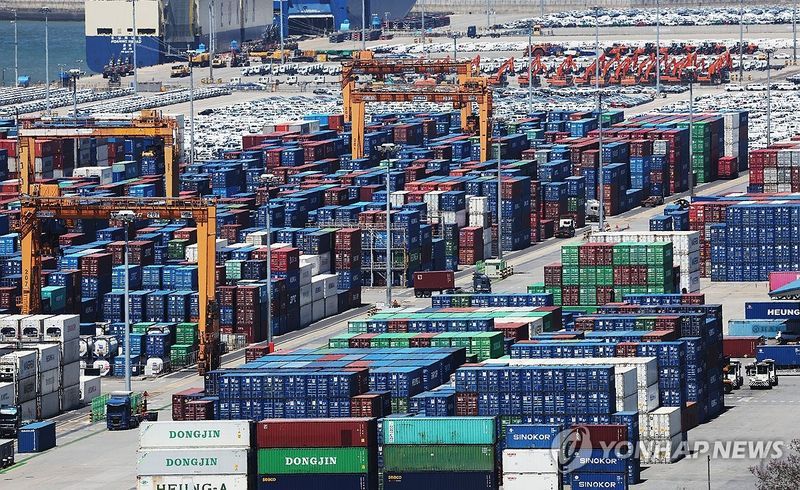
But a forecast has emerged that runs counter to these positive indicators. According to the latest data released by the OECD on the 3rd, South Korea's potential growth rate is expected to fall to 1.66% this year, 1.52% next year, and 1.46% in the fourth quarter of next year. It is the first forecast to fall below 1.5% since the OECD began providing the relevant figures. Among 47 major countries, South Korea's ranking has dropped from 28th to 32nd over the past two years.
These conflicting growth figures clearly show the fundamental state of the Korean economy. The upward revision in growth is largely driven by the semiconductor boom. By contrast, the downward trend in potential growth points to weakening productivity. That decline reflects not only labor market rigidity and slower investment, but also broader social and cultural structural problems. In other words, these structural issues continue to be left unaddressed.
This is not the time to mistake record-high stock prices and strong exports for a full-blown boom. Once the semiconductor cycle reaches its peak, it is likely to decline. If the economy's weak fundamentals are not fixed while conditions are still favorable, the shock of a downturn will be far harsher.
Confidence in the Korean economy is welcome, but when the momentum is good, the country must prepare firmly for the future. First, it is time to create an environment that spreads the benefits of semiconductors across the broader industrial ecosystem. Profits and technological capabilities earned in semiconductors should be reinvested in equipment and technologies that raise productivity. It is also important to ensure that investment in Artificial Intelligence (AI) leads to greater spending on equipment and intellectual property, and that it spreads into the upgrading of related industries. Only by expanding the value chain so that the competitiveness of semiconductors can be felt across other industries can it become a force that lifts potential growth.
Structural reform to change the economy's fundamentals can no longer be delayed. The decline in potential growth is the result of overlapping factors: an aging population, a shrinking labor supply, slower capital accumulation, and stagnant productivity. Previous administrations recognized the structural problems across society that were eroding productivity, but failed to push reform through properly. It is time to confront the uncomfortable tasks of labor market flexibility, market opening, and regulatory innovation head-on. Restructuring to improve productivity is painful, but avoiding that pain only brings a larger crisis later.
Potential growth is the basic strength of a country's economy. If domestic demand weakens, a supplementary budget can provide some rebound. If exports struggle, the government can offer subsidies to help overcome the crisis. But potential growth is not a figure that can be raised through such short-term stimulus measures. It can rise only when labor and capital, technology and institutions, people and industries all change together. Even then, the change will not appear quickly; it requires steady investment over a long period. We must recognize the true economic strength hidden behind the surface numbers. Paradoxically, now that a labor-friendly administration is in power, this may be the most favorable time to push ahead with structural reform.