Three Meals a Day and Rehabilitation Therapy: How Did a Japanese Prison Become a Nursing Home? [Global Report]
- Input
- 2026-06-07 18:38:02
- Updated
- 2026-06-07 18:38:02
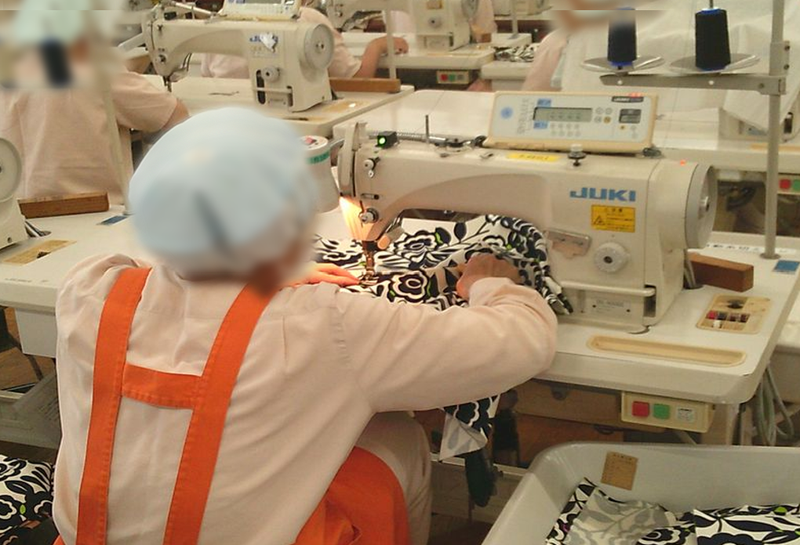
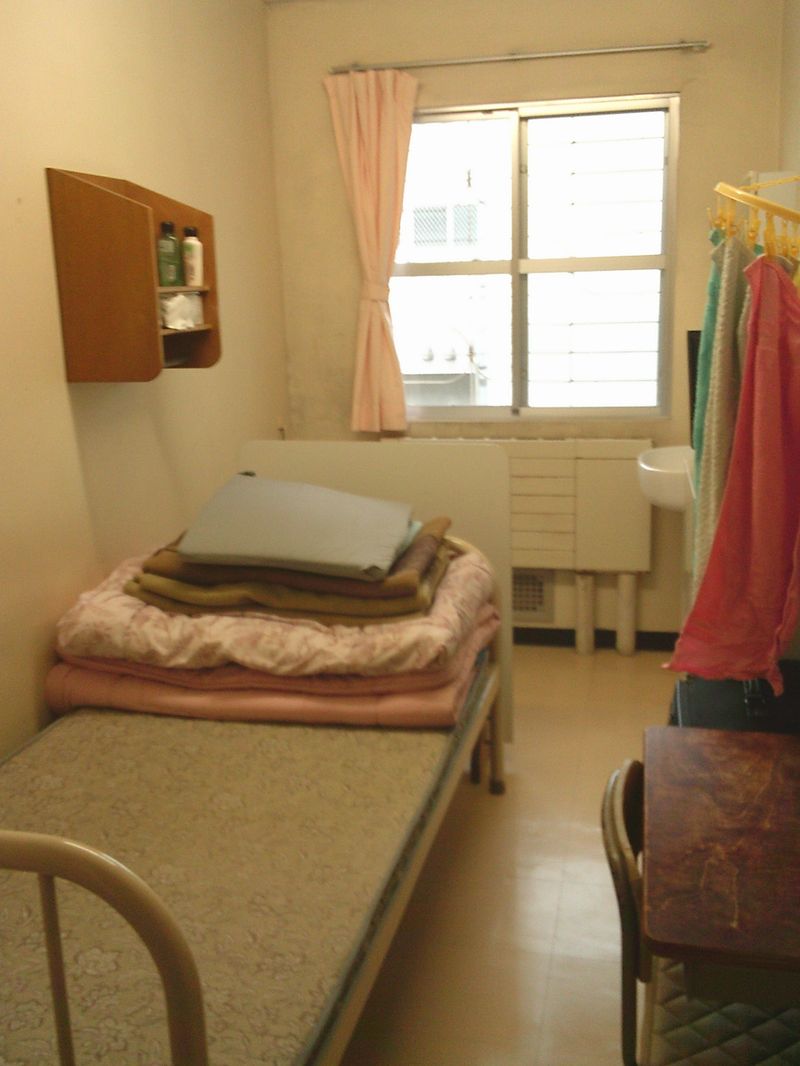
After passing through security screening, we headed to the inmate housing block. Guided by a prison officer, we entered the first workshop and found more than 30 inmates seated in rows at long worktables, wearing light pink uniforms and pale blue caps. What stood out before the workshop itself was the inmates’ age. Most were elderly women. Wheelchairs were placed throughout the room, and many had hair that had turned completely white. One inmate who appeared to be well into her 70s was folding colored paper with her wrinkled fingertips. The finished pieces were assembled into bottle-shaped ornaments and animal figures. A prison officer explained that this was not just paper folding, but part of a program to maintain and improve cognitive function.
When we moved to the second workshop, the sound of sewing machines filled the room. Some middle-aged inmates were visible, but this area also had a high proportion of older prisoners. One inmate with a slightly bent back sat in front of an electric sewing machine, continuing her stitching.
Tochigi Prison has accepted female inmates since 1906 and is the largest of Japan’s 12 women’s prisons. It has a capacity of 655, and currently holds 486 inmates, for an occupancy rate of about 74%.
The biggest challenge Tochigi Prison now faces is aging. Kiyochika Miyoshi, the prison warden, said, "The total number of inmates is declining, but the share of elderly inmates continues to rise."
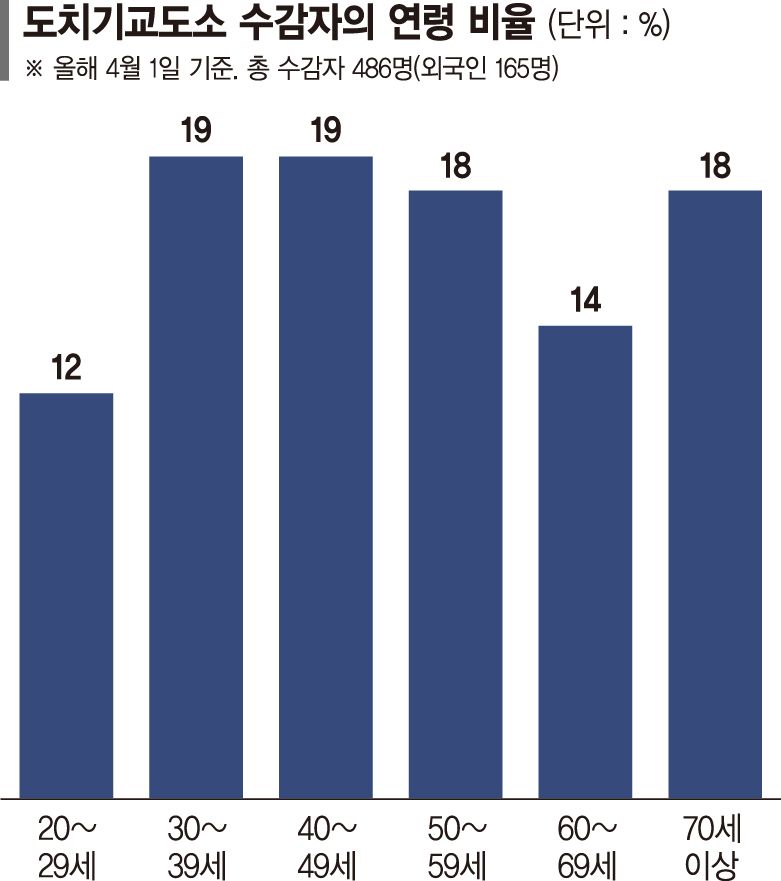
As of April 1 this year, inmates aged 60 or older accounted for 32% of the total population. Those 70 and older made up 18%. Only about 40% of inmates have no special health issues. The remaining 60% need medical or daily living support. Many of them also suffer from mental or cognitive decline.
The average sentence, excluding life prisoners, is about five years. Many Japanese inmates are first-time offenders, but among older inmates, repeat offenders who cycle in and out of prison are not uncommon. By offense type, theft is the most common at 33%.
The rise in elderly inmates is changing the way the prison is run. Hirotsugu Hori, head of general affairs, explained, "Many elderly inmates need help with daily life. Some need assistance bathing, others need help with meals, and medication management is also necessary."
In practice, the prison looked more like a care facility in some respects than a conventional correctional institution. In addition to prison officers, it had two doctors, four nurses, one pharmacist, one occupational therapist, three psychologists, six education specialists and five staff members in charge of international affairs. Some employees also hold caregiver qualifications and are responsible for looking after elderly inmates.
Materials provided by the prison also showed staff assisting inmates in wheelchairs, nurses conducting regular health consultations, and occupational therapists running rehabilitation programs. In some cases, inmates are transferred to outside medical institutions for surgery or inpatient treatment.
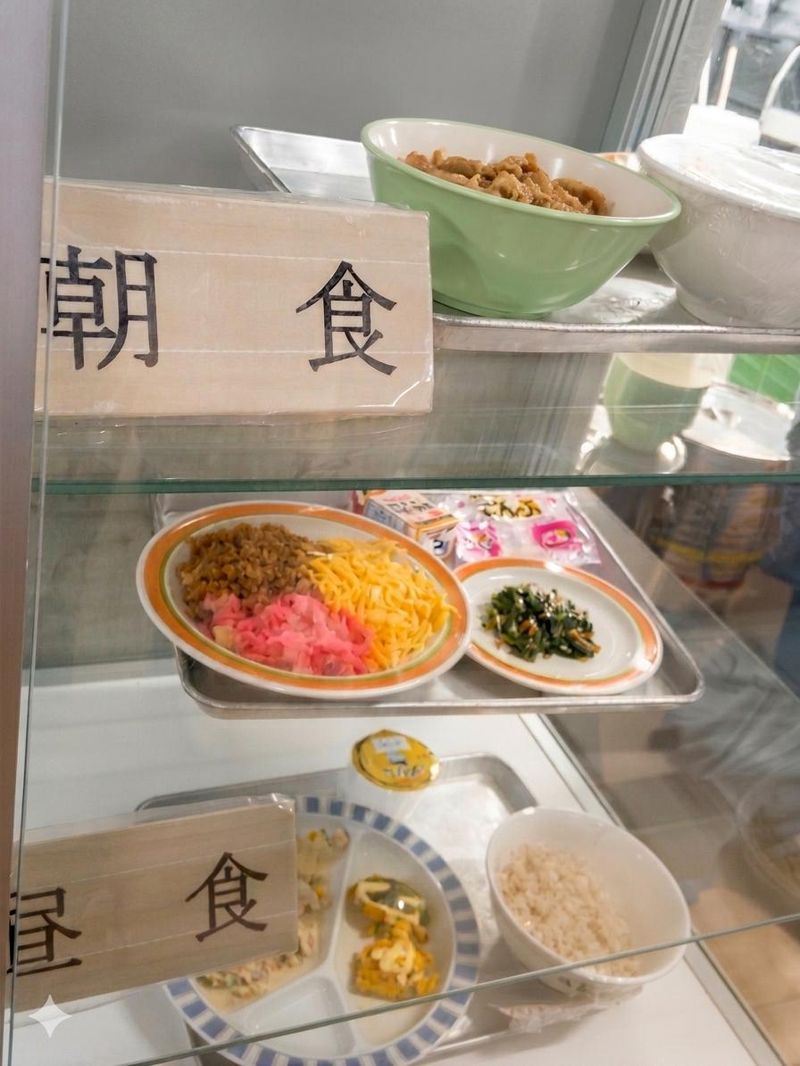
Meals are also adjusted with older inmates in mind. Porridge is served to inmates who have difficulty chewing or swallowing, and vegetables are cut into small pieces before being distributed.
This way of operating Tochigi Prison will not last much longer. Japan’s Ministry of Justice plans to close the prison in March 2028. The number of female inmates is declining nationwide, and the facility has also become severely outdated. The current inmates are expected to be redistributed to other women’s correctional facilities.
[email protected] Seo Hye-jin Reporter