A Complex Equation of Nuclear Issues, the Economy and Lebanon: Middle East War Still Without an Answer After 100 Days
- Input
- 2026-06-07 17:58:14
- Updated
- 2026-06-07 17:58:14
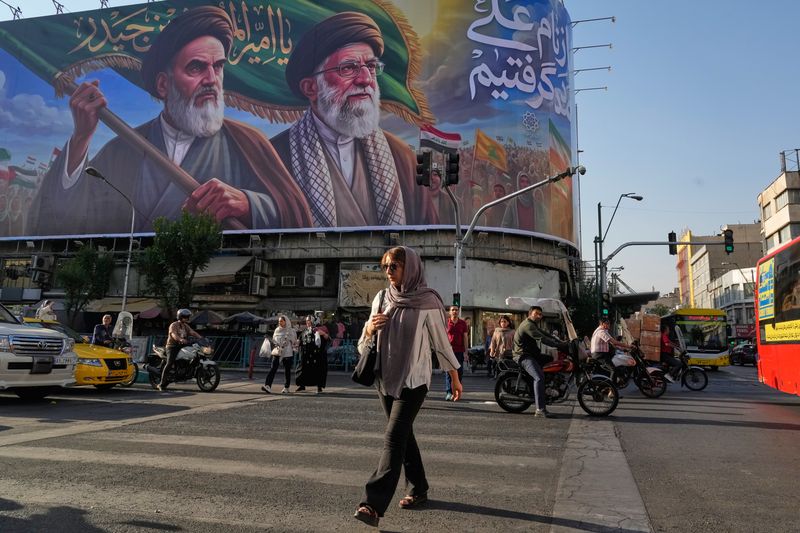
The United States and the State of Israel appeared to be bringing the war to a quick close after a surprise attack on February 28 that eliminated more than 40 top political and military figures, including Iran's supreme leader, Ali Hosseini Khamenei. But Iran's blockade of the Strait of Hormuz, its asymmetric strategy using drones and other means, and its determination to fight to the end have dragged the conflict into a long war. Trump had originally boasted that he could end the war within 60 days.
■ Pakistan delivers a personal letter to Iran's supreme leader
Meanwhile, mediator Pakistan has resumed shuttle diplomacy in an effort to break the deadlock. Pakistan's Interior Minister Mohsin Raza Naqvi arrived in Tehran on the 6th, local time, and held talks with Iranian Interior Minister Eskandar Momeni, according to the Islamic Republic News Agency and others.
Naqvi is said to have delivered a personal letter from Pakistan's army chief Asim Munir, who played a key role in brokering the ceasefire talks between the United States and Iran, to Iran's supreme leader Mojtaba Khamenei. He was also reported to have met with Iranian leaders including President Masoud Pezeshkian and Foreign Minister Abbas Araghchi.
In addition, Rodolphe Haykal, the commander of the Lebanese army, is also expected to visit Pakistan. Observers say Pakistan is attempting broad mediation that could also include the Lebanon issue.
Separate from these moves, military tensions continue on the ground. On the same day, the United States Central Command (USCENTCOM) said it shot down two Iranian one-way attack drones that were threatening international maritime traffic near the Strait of Hormuz. The incident came after four earlier Iranian drones were also intercepted.
Even amid the sporadic clashes, both sides are drawing a line against any escalation that could immediately shatter the ceasefire. International fatigue is growing over a war in which each side claims victory but gains little.
According to the Iranian Legal Medicine Organization and other sources, about 3,500 people had been killed in Iran by the end of May, and more than 26,500 had been injured. In Lebanon, the death toll was also estimated at around 3,500.
■ Unfreezing funds vs. giving up nuclear capabilities
Iran and the United States entered a ceasefire in early April, about a month after the war began, as fears of a full-scale conflict intensified. But the first face-to-face talks held afterward ended without any meaningful progress. Since then, the two sides have been exchanging messages through mediator countries such as Pakistan.
The United States is now treating the Iran nuclear issue as the top priority for ending the war. It has demanded the disposal or transfer of stockpiles of Highly Enriched Uranium (HEU) and a halt to uranium enrichment for the next several decades. Iran, by contrast, says the first step should be lifting the maritime blockade that is squeezing its economy. It is also insisting that there will be no agreement unless sanctions relief and the release of frozen funds are secured. Iran has further tried to bring the Hezbollah issue into the ceasefire talks.
The State of Israel has different interests. It sees the elimination of threats from Hezbollah and other pro-Iranian armed groups as a core national security task. Recently, it crossed into Lebanon and seized Beaufort Castle, a strategic stronghold north of the Litani River in the south, in an operation aimed at Hezbollah.
While Iran and Hezbollah have called this a ceasefire violation, a fragile ceasefire agreement between Israel and the Lebanese government was signed on the 3rd. The United States is trying to separate its ceasefire negotiations with Iran from the Lebanon issue. Iran, however, is demanding Israel's withdrawal and saying hostilities must also end in Lebanon, putting the ceasefire at risk.
[email protected] Hong Chaewan Reporter