Bio Strike Could Be as Damaging as a Semiconductor Shutdown... Will Courts Recognize Protection for Continuous Processes?
- Input
- 2026-06-04 18:34:09
- Updated
- 2026-06-04 18:34:09
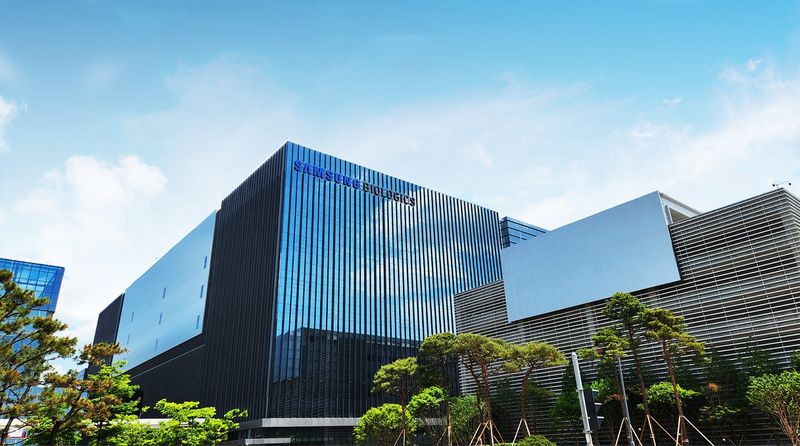
In particular, because courts recently set a precedent in semiconductor manufacturing by ordering operations to be maintained at 'normal levels' even during a strike, calls are growing for biopharmaceutical processes, which must run around the clock without interruption, to receive the same level of protection.
According to the pharmaceutical and biotech industry on the 4th, the Incheon Civil Division 1 of the Seoul High Court will hold the first hearing on the appeal filed by Samsung Biologics management against the trade union in the injunction case on the 5th.
This trial is an appeal against the lower court's partial approval of the injunction in April. In the first trial, the court took some account of the special nature of bioprocessing and prohibited the trade union from striking only over certain essential tasks, such as 'final-stage processes' needed to prevent product deterioration.
However, the biotech industry and management have expressed deep concern that the court excluded the most critical and starting point of the process, the 'cultivation and purification stages,' from the scope of the ban.
That is because biopharmaceuticals involve living cells, so quality can only be ensured if the entire process is carried out continuously from the earliest stages under strictly controlled procedures and timing.
At a panel discussion held last month, Seung-Hoon Kang, a professor in the Department of Biomedical and Biopharmaceutical Engineering at Inha University, warned that "if control is interrupted during the process or proper management is not maintained, low-quality biopharmaceuticals can be produced."
That is why legal interpretations are calling for the entire 'continuous process' — from initial cultivation to final finishing — to be recognized as security work under the Trade Union and Labor Relations Adjustment Act, meaning work to prevent deterioration and spoilage of raw materials and products.
Legal circles are cautiously predicting that, given the recent ruling involving Samsung Electronics, the management's argument may be accepted in this appeal.
In a previous injunction case filed by Samsung Electronics, which had faced a strike threat, the court said that "the semiconductor manufacturing process is designed on the premise of 24-hour continuous operation." It ruled that because a temporary shutdown would lead directly to massive losses, the company must maintain 'the same level of manpower, scale and duty of care as before the labor dispute' even during a strike.
A legal source said, "It is highly likely that the High Court will refer to the standards set in the semiconductor case," adding, "The judiciary appears to be moving toward a broader guarantee of a company's legitimate right to conduct business, while taking into account the severity of national and industrial losses caused by a strike."
Meanwhile, the trade union's decision to push ahead with a full strike in direct violation of the court's existing injunction has emerged as another key factor that could influence the appeal panel's ruling.
In the first trial, the court ordered the trade union not to instruct members to stop work or distribute related guidelines regarding certain final-stage tasks that were prohibited under the injunction. However, the union reportedly ignored the order and distributed instructions telling all workers involved in those processes to join the strike. The Judiciary has also imposed indirect compulsory performance, ordering the union to pay Samsung Biologics 20 million won each time it violates the injunction.
vrdw88@fnnews.com Kang Jung-mo Reporter