Japan's Stock Market Joins the Semiconductor Boom as the Nikkei Hits a Record High
- Input
- 2026-06-03 18:32:46
- Updated
- 2026-06-03 18:32:46
In Tokyo trading that day, Kioxia shares surged as high as 83,140 yen intraday, setting a new record since its listing. Its market capitalization briefly reached 45.4 trillion yen, surpassing Toyota Motor Corporation's 45 trillion yen and placing it second among Japanese listed companies. The ranking later reversed again as profit-taking orders came in.
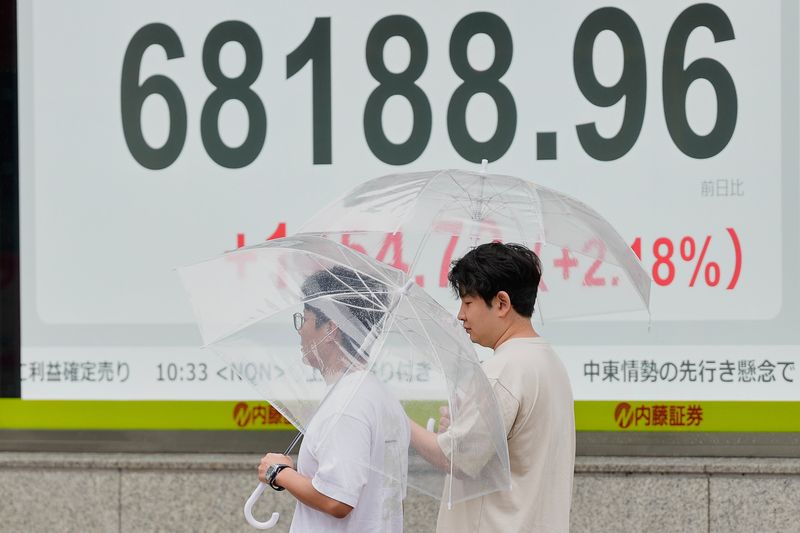
The Nikkei 225 Stock Average closed at 68,402.13, up 2.50% from the previous trading day, breaking above the 68,000 level for the first time. Semiconductor-related stocks, led by Kioxia, drove the rally as forecasts for growth in the global chip market were repeatedly raised and expectations grew for expanded AI investment. In particular, investors were encouraged by Kioxia's aggressive growth strategy and shareholder return policy announced the previous day.
At its investor briefing, Kioxia said it would introduce a progressive dividend system, under which dividends would be maintained or increased rather than reduced. The company plans to begin paying dividends as early as the second half of the fiscal year ending March 2027, which runs from April 1, 2026, to March 31, 2027. If realized, it would be the company's first dividend since its listing in December 2024.
The company also left open the possibility of share buybacks. Kioxia said it would consider using about half of its free cash flow, excluding capital expenditures and research and development costs, for shareholder returns, and would review additional returns of surplus cash if its merger and acquisition plans are delayed.
Kioxia also unveiled a large-scale investment plan to meet rising AI demand. From April this year through March 2029, the company plans to invest a total of 210 billion yen in capital expenditures and research and development over three years. Annual capital spending will average 47 billion yen, while R&D spending will average 23 billion yen, both more than 60% higher than the previous period.
The company also disclosed expansion plans. At an investor briefing, Kioxia President Hiroo Ota said discussions had begun on building a new production building at the Kitakami Plant in Iwate Prefecture. Kioxia operates two production bases, the Yokkaichi Plant and the Kitakami Plant. The Kitakami Plant is currently running up to its second production building, and the company is considering constructing a new facility with the goal of starting operations after 2029 to 2030.
[email protected] Reporter