Japan's population falls by 3.09 million, the largest drop on record; only Tokyo posts an increase
- Input
- 2026-05-29 13:17:05
- Updated
- 2026-05-29 13:17:05
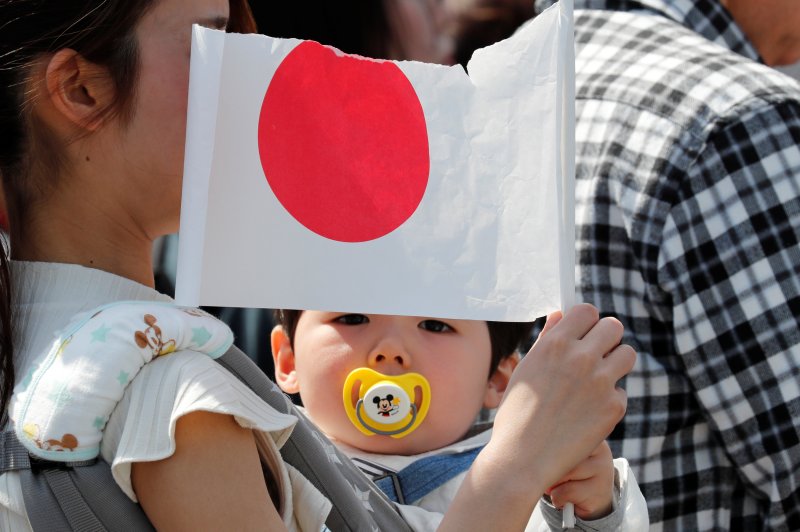
[Financial News, Tokyo = Seo Hye-jin, correspondent] Japan's total population has fallen by more than 3 million over the past five years, showing that the pace of decline driven by low birth rates and aging is accelerating.
According to the "2025 Japan Census provisional population count" released by the Ministry of Internal Affairs and Communications on the 29th, Japan's total population, including foreign residents, stood at 123,049,524 as of Oct. 1 last year. That was down 3,096,575 people, or 2.5%, from the previous census in 2020. Both the size of the decline and the rate of decline were the largest on record.
Compared with the 2015-2020 census period, when the decline rate was 0.7%, the pace of population loss has more than tripled.
Compared with 2010, when Japan's population peaked at 128.05 million, the country has lost about 5 million people in 15 years. The ministry said the main factor was a widening natural decline, as deaths outnumbered births amid low birth rates and an aging population.
Japan's global population ranking, based on UN estimates, fell one notch from 11th to 12th, overtaken by Ethiopia.
By gender, the population was 59,778,826 men and 63,276,98 women. The sex ratio, which shows the number of men per 100 women, was 94.5.
By region, all 45 prefectures and metropolitan areas except Tokyo Metropolis and Okinawa Prefecture saw population declines, deepening the concentration of people in Tokyo.
In particular, areas that had previously posted gains, including Saitama, Chiba Prefecture, Kanagawa Prefecture, Aichi Prefecture, Shiga Prefecture and Fukuoka, also turned to declines. Hokkaido recorded the largest drop, with its population falling by 239,195.
Tokyo Metropolis, meanwhile, added 198,621 people, or 1.4%, to reach 14,246,219. The population of the Greater Tokyo Area, which includes Tokyo, Kanagawa Prefecture, Saitama and Chiba Prefecture, rose to about 36.98 million, and its share of the national total exceeded 30% for the first time.
At the municipal level, 1,558 of the country's 1,719 municipalities saw population declines. Six municipalities posted growth of 10% or more, while 476 saw declines of 10% or more.
Household structure also continued to change. The number of households nationwide rose 2.3% from a year earlier to a record 57,124,507. Driven by the increase in single-person households, the average household size fell to 2.15 people, the lowest level on record.
Household size also varied widely by region. Yamagata Prefecture had the largest average household size at 2.49 people, while Tokyo Metropolis had the smallest at 1.88.
The response rate for this census, through the internet and by mail, was 80.7%. The internet response rate was 47.3%.
The Japan Census is divided into a full census conducted every 10 years and a simplified survey in the intervening years. Last year's survey was the simplified version and the 22nd since the first census in 1920.
[email protected] Seo Hye-jin Reporter