U.S. Imposes Additional Sanctions on Iran’s Oil Network Amid Ceasefire Talks
- Input
- 2026-05-29 06:51:52
- Updated
- 2026-05-29 06:51:52
The U.S. Department of the Treasury announced new sanctions on 28 vessels and more than 15 entities and companies linked to the Iranian military’s oil exports on the 28th local time. The move came as the United States and Iran were said to have reached a tentative agreement to extend the ceasefire and ease restrictions on shipping through the Strait of Hormuz.
The Treasury Department designated eight vessels involved in transporting Iranian crude oil and petroleum products to global markets. They include the Marshall Islands-flagged tanker Flora, the Comoros-flagged crude carrier Haunkayo, and the Panama-flagged tanker Il Gap.
The sanctions also expanded to companies. The U.S. imposed penalties on more than 15 entities and firms, including Hong Kong-based Worthsin Energy, Hong Kong-based Mehdiyev Trading, and Dubai-based Symphony Shipping and Maritime Management Inc.
The Treasury said some Iranian entities were using the Iranian military’s oil sales infrastructure to secure petroleum products overseas. It said Worthsin Energy had handled procurement of refined petroleum products for the National Iranian Oil Company on behalf of Sepehr Energy Jahan, an oil sales organization under the Iranian military’s General Staff that is already under U.S. sanctions.
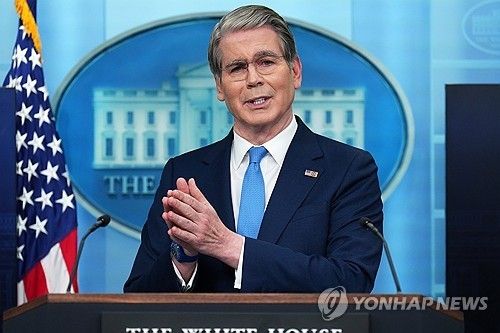
Treasury Secretary Scott Bessent said in a statement, "We will not allow the Iranian government to increase oil revenues in order to rebuild its military strength and armed capabilities." He added, "We will continue to target the Iranian military’s oil trading network."
The timing of the move drew attention because it came while the United States and Iran were negotiating an extension of the ceasefire. Earlier, the two sides were reported to have reached a broad agreement in principle on a memorandum of understanding to extend the ceasefire by 60 days and resume talks on Iran’s nuclear program. However, the plan still awaits final approval from President Trump.
President Trump has remained cautious about the talks. At a Cabinet meeting the previous day, he said, "The end of the war is near," but also noted, "I am still not satisfied with the terms of the negotiations," adding that sanctions relief for Iran, one of Tehran’s key demands, was not being discussed.
Markets believe the U.S. is choosing to strengthen its leverage through economic sanctions and tighter controls on oil exports rather than escalating military conflict. In particular, attention is focused on whether shipping through the Strait of Hormuz, which carries about 20% of global oil and gas traffic, will return to normal and how that could affect international oil prices and global inflation.
[email protected] Reporter Lee Byung-chul Reporter