Iran Is Believed to Have Struck a U.S. Base in Kuwait in Retaliation for Renewed American Airstrikes... Ceasefire on Shaky Ground
- Input
- 2026-05-28 14:03:46
- Updated
- 2026-05-28 14:03:46
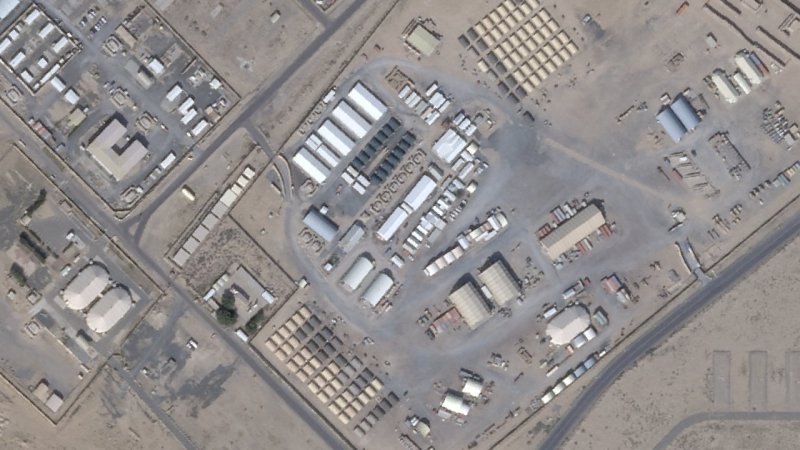
[The Financial News] Iran, which is under a ceasefire with the United States, has retaliated against repeated U.S. airstrikes carried out at three-day intervals. Iran is believed to have launched a long-range attack on Kuwait, where a U.S. base is located, and warned that it would take "a more decisive response" if U.S. hostilities continue.
It appears to have struck the U.S. base in Kuwait
According to CNBC on the 28th local time, the Islamic Revolutionary Guard Corps (IRGC) said through the local semi-official Tasnim News Agency that it had attacked a U.S. base. The IRGC claimed that it targeted a U.S. Air Force base around 4:50 a.m. that day, but did not mention a specific location or name. The IRGC described the U.S. airstrikes on Iran that day as "aggression" and stressed that "if this happens again, a more decisive response will follow, and the 'aggressor' will be responsible for the consequences."That same day, the Kuwait Armed Forces posted on social media platform X that its air defense systems had been activated in response to "hostile missile and drone threats," and that explosions were later confirmed. The Kuwait Armed Forces did not say from which direction the long-range weapons had been launched.
Ali Al Salem Air Base is located in Kuwait's Jahra Governorate. Since February 28, Iran has been hit by U.S. and Israeli airstrikes, and on the day of the attack it retaliated with a missile strike targeting the Ali Al Salem base in Kuwait.
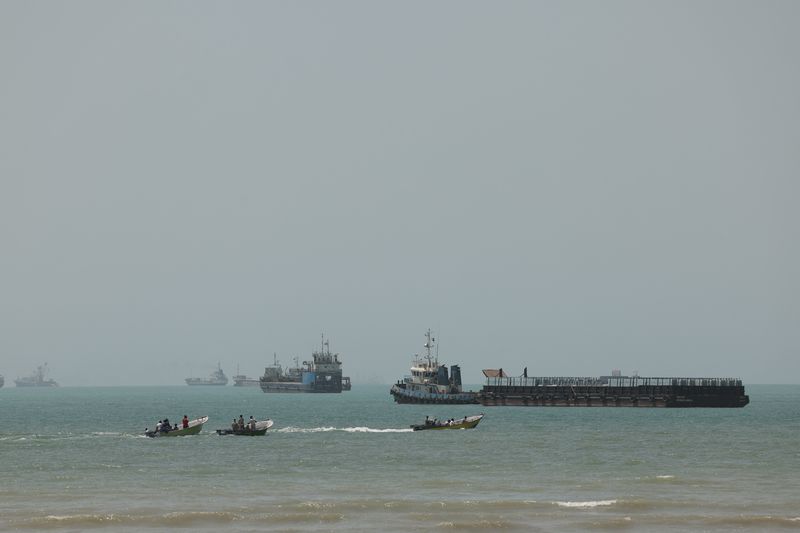
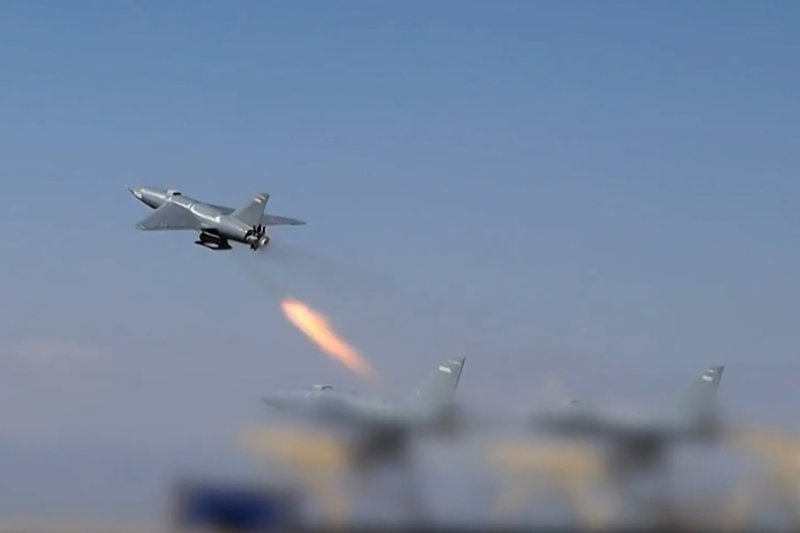
The incident came shortly after the United States carried out its second airstrike on Iran. Iranian media reported that at around 1:30 a.m. on the 28th, three explosions were heard east of Bandar Abbas in southern Iran, along the coast of the Strait of Hormuz, and that Iran's air defenses were activated for several minutes afterward. U.S. media outlets, including Fox News, cited government officials as saying that the U.S. had struck one drone control facility near Bandar Abbas and shot down four Iranian attack drones. The United States and Iran, which entered a ceasefire on the 8th of last month, had already clashed near the Strait of Hormuz on the 7th. In a statement released on the 25th, United States Central Command (CENTCOM), which oversees U.S. military operations against Iran, said it had struck an Iranian minelaying vessel and missile launchers in southern Iran for "self-defense" purposes.
Tensions rise as peace talks stall
A U.S. official who spoke to Fox News emphasized that Iranian drones had threatened U.S. forces near the Strait of Hormuz and traffic through the waterway. The official said the measures taken on the 28th were defensive and restrained, and were intended to preserve the ceasefire. Another U.S. official who spoke to CBS also said the ceasefire had not been broken despite the attack.On the same day, Iran's state-run IRIB said via Telegram that after midnight on the 28th, "four ships attempted to enter the Persian Gulf through the Strait of Hormuz without prior coordination with the Iranian military." It added, "Despite warnings, the ships ignored them, so warning shots were fired and the vessels were turned back." Tasnim News Agency reported that the IRGC Navy "opened fire on a U.S. tanker that was trying to pass through the Strait of Hormuz with its radar turned off." It also said there were no casualties or property damage.
The United States also added financial sanctions alongside its military action. The United States Department of the Treasury said on its website on the 27th that it had designated the Persian Gulf Strait Authority (PGSA), a transit management body Iran created on the 18th to control passage through the Strait of Hormuz, for the SDN List. The Treasury said, "PGSA is a new attempt by the IRGC to extort vessels transiting the Strait of Hormuz in order to raise funds for state-sponsored terrorism." It also prohibited all forms of transactions with PGSA, including those involving legal tender, digital assets such as virtual currencies, offset transactions, informal exchanges, and in-kind payments. The move is believed to be aimed at preventing ships passing through the Strait of Hormuz from paying transit fees to Iran.
U.S. President Donald Trump said at a Cabinet meeting at the White House on the 27th that ceasefire talks to end the war with Iran were ongoing, adding, "So far, they have not reached a level that satisfies us." He said Iran wanted a deal and added, "Either that happens, or we will just have to finish the job," suggesting the ceasefire could collapse.
[email protected] Park Jong-won Reporter