"Looking for a job? I'd rather take a break"... The number of young people in their late 20s who are neither working nor looking for work rises by 30,000
- Input
- 2026-05-28 08:30:19
- Updated
- 2026-05-28 08:30:19
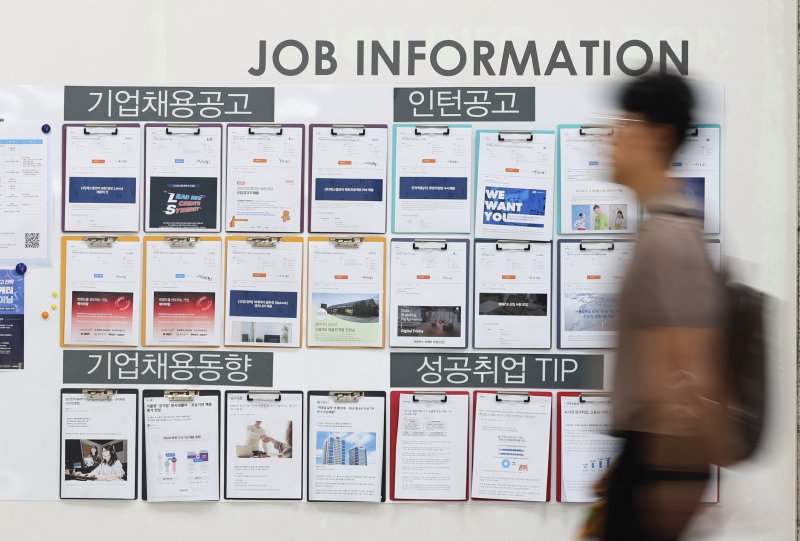
[Financial News] As the exodus of people in their late 20s from the job market intensifies, the number of so-called young people who are neither working nor looking for work rose by more than 30,000 over the past year. This marks the sharpest increase since 2020, when the shock from COVID-19 was at its peak.
Economic activity among people in their late 20s posts the biggest decline since 2013
According to microdata from the Economically Active Population Survey on the Korean Statistical Information Service (KOSIS), the number of economically inactive people in their late 20s, aged 25 to 29, stood at 784,000 last month, up 37,000 from a year earlier. For April, this is the largest increase since 2020, when the figure rose by 174,000.
Although the population in this age group is shrinking, the number of economically inactive people who do not participate in the labor market is rising.
Last month, the population in their late 20s fell by 72,000 from a year earlier, while the economically active population dropped by 109,000. For April, this is the largest decline since 2013, when the figure fell by 171,000.
As the economically inactive population surged, the number of people taking a break from work also increased. This term refers to people who do not have a serious illness or disability but are simply in a state of wanting to rest.
The number of young people in their late 20s who are neither working nor looking for work rose by 31,000 from a year earlier. This is the biggest increase for the same month since 2020, when the figure rose by 96,000. The total number of people in this category reached 228,000, the highest for April since 2020, when it stood at 244,000.
Young people staying in school... first jobs are being delayed
The number of people in their late 20s enrolled in formal education also increased by 13,000 from a year earlier. Some observers say this reflects more young people staying in school as job market conditions remain difficult.
The rise in the economically inactive population in this age group is also tied to a structural trend in which the timing of first employment is being pushed back. Analysts say companies are increasingly favoring open recruitment and experienced hires, which is lengthening the job search period for young people.
According to the report "Improvement Measures for Creating Youth Jobs," released last month by the Korea Enterprises Federation (KEF), the time it takes young people to land their first job has been getting longer. For those born between 1995 and 1999, the average time to first employment was 12.77 months in 2024, more than two months longer than the 10.71 months recorded for those born between 1975 and 1979 in 2004.
As job searches take longer, the number of young people who are neither working nor looking for work is also rising.
According to the KEF report, the number of people in their 20s in this category rose more than 2.5 times over 20 years, from 84,000 in 2004 to 217,000 in 2024.
[email protected] Kim Su-yeon Reporter