India Shaken by a Heat Wave That Feels Like 55 C, Along with Water Shortages, as a "Heat Threatening Survival" Spreads Across the Country
- Input
- 2026-05-27 16:08:37
- Updated
- 2026-05-27 16:08:37
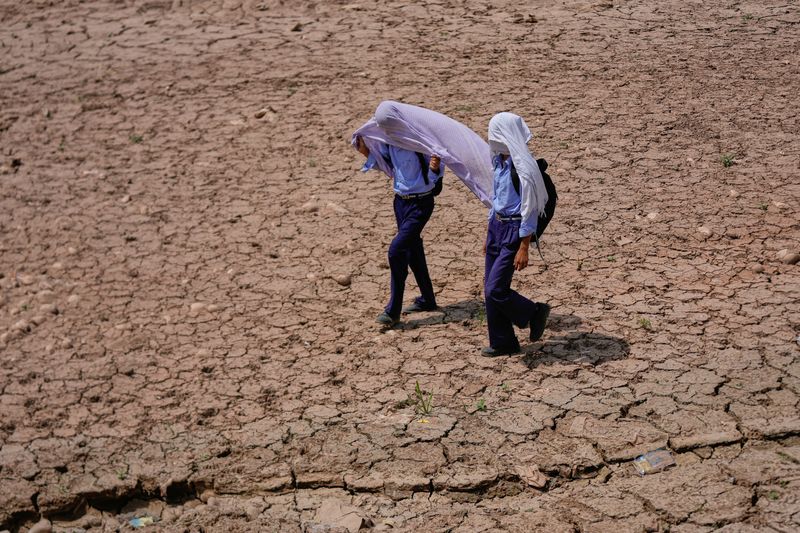
【New Delhi, India=Pragya Awasthi】India, long known for its brutal summer heat, is facing a crisis even before the season has fully begun, as record-breaking temperatures and severe water shortages strain the country. With soaring temperatures, shrinking water supplies, and power shortages all hitting at once this year, millions of people are seeing their daily lives disrupted.
According to local media on the 27th, daytime temperatures across northern and central India have remained above 40 C. In Rajasthan, the mercury has climbed as high as 48.3 C, while major cities such as Delhi and Lucknow are enduring relentless heat day and night. As nighttime temperatures have also risen sharply, experts say there is now almost no time to escape the heat.
Experts are also warning about the danger of wet-bulb temperature in hot and humid conditions. Climate analyst Bruno Brzezinski said, "In some areas, the apparent temperature is nearing 55 C, and the wet-bulb temperature is approaching a level close to the limit of human survival." Wet-bulb temperature is an index that reflects both temperature and humidity. When it approaches 35 C, the human body can no longer cool itself properly, sharply increasing the risk of heatstroke and organ damage.
Climate experts say the frequency of heat waves in India has been rising steadily, and even more deadly heat events are likely to recur over the next several decades. They also warn that large-scale population movement and social and economic shocks could become a reality.
The bigger problem, however, is that the water shortage is creating an even more serious situation than the heat itself. Experts warn, "Heat can be endured, but heat without water threatens residents' survival." In Barmer, Rajasthan, a canal that supplied water to more than 30 villages has been shut down for over a month, leaving residents dependent on hand pumps. In some villages, livestock have died of thirst, and water tankers were deployed only after related videos were made public.
The situation in cities is no better. In Jaipur, residents have staged protests over contaminated tap water, while Delhi is struggling to keep treatment facilities running as the Yamuna River, its main water source, continues to shrink and pollution worsens. In Bhiwandi near Mumbai, residents are receiving far less water than they need each day, forcing them to rely on water tanker trucks.
This year, water shortages are also worsening in areas where India's middle class lives. In upscale residential complexes in Lucknow, water cuts have lasted all day, prompting some residents to order bottled water or even skip dinner. In some neighborhoods, power outages have stopped water pumps, cutting off supply even where waterworks facilities exist.
The Government of India and local authorities have launched emergency responses. The Government of Delhi is operating about 1,000 GPS-based water tankers and is also pushing long-term water resource measures. Uttar Pradesh Chief Minister Yogi Adityanath has also held a series of emergency review meetings to stabilize power supply. But on the ground, long queues, irregular water delivery schedules, and repeated outages continue.
Industry and climate experts say this is not merely a seasonal heat wave, but a case that exposes India's aging water infrastructure and vulnerability to climate change at the same time. The India Meteorological Department (IMD) forecast that extreme heat will continue for the time being across northern, central, and eastern regions. Punjab, Haryana, Delhi, Uttar Pradesh, Rajasthan, and Madhya Pradesh are among the areas hit hardest.
[email protected] Pragya Awasthi Reporter