Despite U.S. airstrikes, traffic through the Strait of Hormuz continues, with 25 vessels passing in a day
- Input
- 2026-05-27 07:53:09
- Updated
- 2026-05-27 07:53:09
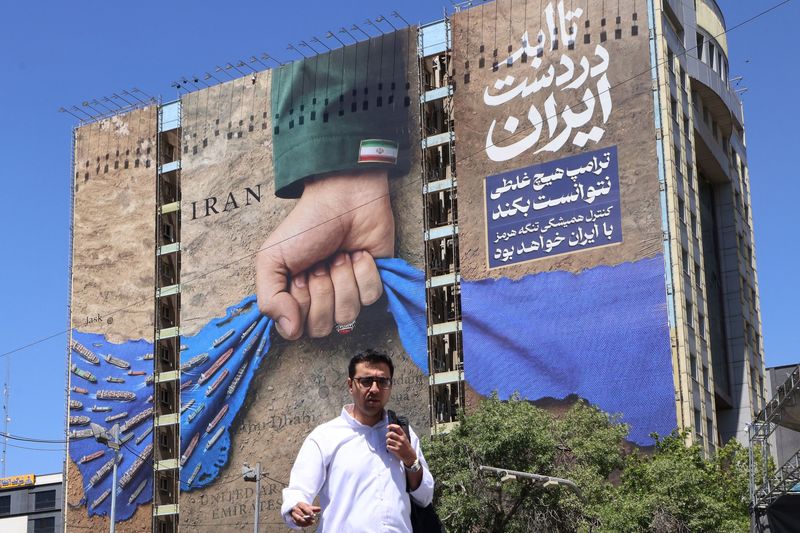
[Financial News] Iran's government claimed that vessel traffic through the Strait of Hormuz has not been blocked, despite pressure from the United States to end the conflict and its airstrikes. Tehran also warned that the U.S. strikes violated the ceasefire agreement.
According to the semi-official Iranian Students' News Agency (ISNA), the media office of the naval branch of the Islamic Revolutionary Guard Corps (IRGC) said in a statement on the 26th local time that 25 vessels, including tankers, container ships and other commercial cargo ships, had passed through the Strait of Hormuz in the previous 24 hours.
The IRGC stressed that the vessels had gone through the necessary permit and security procedures. It said "smart and authoritative control" over the strait was being carried out comprehensively and precisely, and claimed that "the Iranian military remains fully prepared." It also warned that "any violation or hostile act against Iranian waters will face an immediate and overwhelming retaliatory strike."
The Strait of Hormuz, through which 20% to 25% of the world's maritime oil shipments once passed, used to see an average of 135 vessels a day. But the situation changed in February, when war with Iran broke out. The number of transiting ships fell sharply after Iran said it would control the strait to retaliate against the United States, and some vessels were reported to have paid Iran a transit fee to escape the waterway. According to S&P Global Market Intelligence, only four vessels passed through the strait on the 8th of last month, when the United States and Iran agreed to a ceasefire.
The number of vessels passing through the strait has been rising since the ceasefire. In statements released on the 21st and 22nd, the IRGC said 31 and 35 vessels, respectively, crossed the strait over those two days.
The IRGC's remarks came as the United States carried out airstrikes on the Strait of Hormuz and southern Iran despite the ceasefire. On the 25th, U.S. Central Command (CENTCOM) claimed it had struck an Iranian mine-laying vessel and missile launchers threatening the Strait of Hormuz for "self-defense" purposes.
In a statement on the 26th, Iran's Foreign Ministry said, "The terrorist U.S. military has repeatedly engaged in illegal and unjust actions since the ceasefire was announced on April 8," and added that "in the past 48 hours in Hormozgan Province in southern Iran, it has committed a serious violation of the ceasefire agreement." It continued, "These acts of aggression, carried out alongside Pakistan's ongoing diplomatic mediation, clearly show that the U.S. government has once again betrayed trust and broken its promises to the Iranian people, regional nations and the international community."
The ministry emphasized that "the U.S. regime must bear full responsibility for all consequences of these acts of aggression" and that "Iran will not ignore any aggression and will not hesitate to defend its territorial integrity."
[email protected] Park Jong-won Reporter