[Editorial] Finalize the agreement quickly and unite to rebuild 'New Samsung'
- Input
- 2026-05-26 18:23:01
- Updated
- 2026-05-26 18:23:01
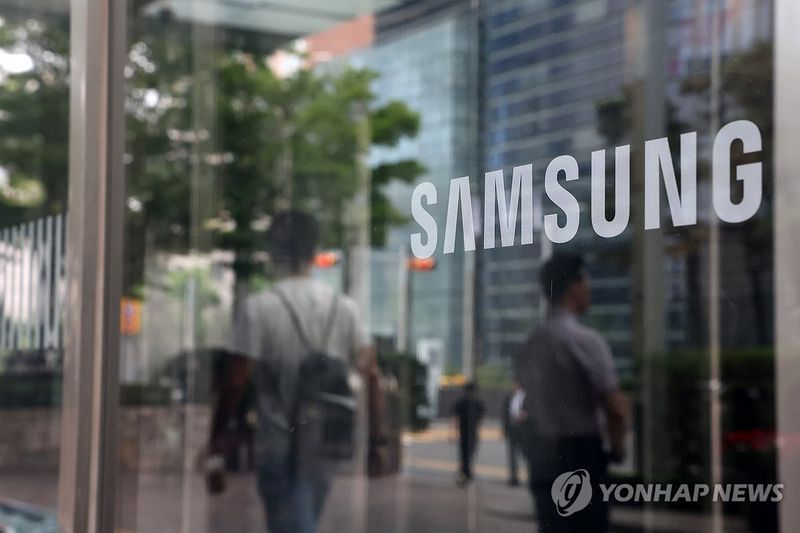
But the atmosphere inside the company is far from calm as the voting deadline approaches. On the 26th, Donghang Labor Union, which is centered on employees in the Device eXperience Division (DX Division), filed an injunction with the Suwon District Court to suspend the vote. Although the request was rejected, the conflict between labor unions appears to be deepening. It is also said that the number of union members opposed to the deal has been rising since the tentative agreement was reached. That suggests distrust among Samsung Electronics employees is growing even deeper.
Of course, the tentative agreement has drawn plenty of criticism. Public opinion has been largely negative, as it appears to divert money that should be invested in the future into employee performance bonuses of excessive size. Internal friction has also intensified over the gap in treatment between employees in the Device Solutions Division (DS) and those in the DX Division.
No agreement can satisfy everyone. What matters is the company’s normal operation. For now, it is fortunate that the threat of a general strike has been avoided. Labor-management negotiations are, by nature, a process of finding compromise amid dissatisfaction. Even if there are complaints about the tentative deal, repeated disruption would amount to nothing less than pushing Samsung Electronics further into the mire.
If internal conflict continues to worsen in this way after the final agreement is signed, it will do no good for Samsung’s future. Distrust within an organization is not merely an emotional issue. It can block collaboration, delay decision-making, and grow into a structural crisis that undermines the foundation of corporate competitiveness. In the end, the damage will be borne by both labor and management, and by the public as well.
While Samsung Electronics is caught up in internal infighting, global rivals are catching up with its technology and accelerating investment in production lines. At a semiconductor conference, Huawei unveiled its 'Logic Folding' technology, claiming it could produce 1.4-nanometer chips by 2031 without extreme ultraviolet (EUV) lithography equipment from ASML Netherlands. It is unclear whether Huawei has actually secured commercially viable technology, but given its track record of technological development, this is not news that can be ignored.
Such technology is tantamount to directly overturning what the industry had long considered impossible. Moreover, the last line of defense the United States has in checking China is control over lithography equipment. Without access to lithography equipment, semiconductor production itself is impossible. It is deeply concerning that Huawei is pouring so much effort into technology investment that it may be able to leap over such a barrier on its own.
As Chinese companies are already closing in on Samsung Electronics in the memory semiconductor market, its core business, if Huawei’s influence also expands in the system semiconductor sector, Samsung’s room to maneuver will shrink. As the race for semiconductor dominance intensifies day by day, Samsung could suffer management losses if it remains trapped in internal conflict and cannot break free.
The more the conflict between unions at Samsung Electronics escalates, the more global competitors stand to benefit. The more energy is consumed by internal division, the more the focus needed for technological development and market response will inevitably be dispersed. This is no time to fight over grabbing a larger share of the profits earned during the semiconductor boom. Internal attacks only set the organization back. It is time to strengthen unity around the larger and more urgent goal of rebuilding 'New Samsung.'