[Editorial] Chung Yong-jin’s 'Tank Day' Apology: The Intent Behind the Plan Must Be Uncovered Through Investigation
- Input
- 2026-05-26 18:22:59
- Updated
- 2026-05-26 18:22:59
We first see Shinsegae's internal review as insufficient. As a private company, its investigation would have had limits. This is an area that should be supplemented by police investigations as they look into Chung and others who have been accused of insult and defamation. Only then can the suspicions and questions be resolved and the matter brought to a close.
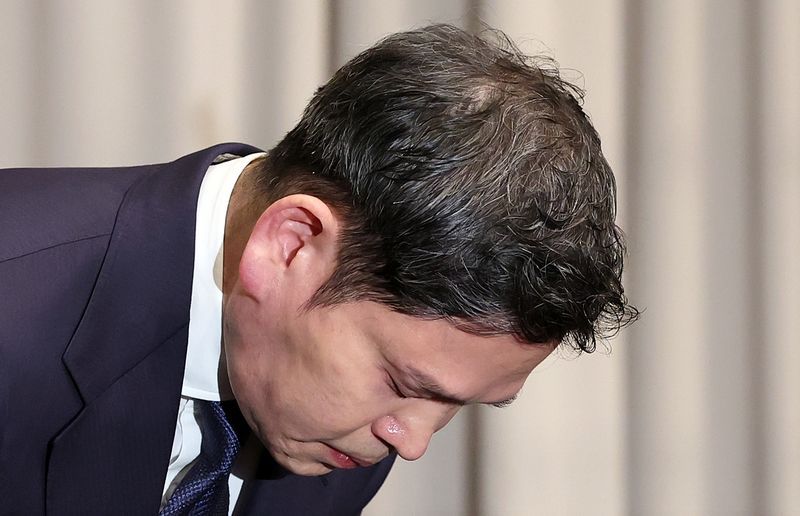
There have been mixed reactions to Chung's apology, but unless there was deliberate planning at the group or Starbucks level, it is not lacking. If some still believe more is needed, they can wait for the outcome of the ongoing investigation into the complaint. That said, it is hard not to wonder why no one raised concerns during the planning and reporting process for the event.
No company would deliberately plan something that damages its image and cuts sales. For that reason, it is important to build a stronger internal management system so that companies and the people involved do not suffer harm and so that incidents like this, which stir up trouble across the country, do not happen again. That, too, is a corporate responsibility, not something for the state to weigh in on.
If this was not a matter of organizational intent but an act by an individual employee, and if the group chairman has already apologized, then the controversy should not be allowed to spread any further. In that sense, the ruling party's response, which acknowledged the sincerity of the apology, is the right direction. By contrast, the People Power Party's attack, calling it a "people's tribunal and terror politics," only inflames the situation further and should be restrained.
A civic group that filed a complaint against Chung and others suggested ending the controversy with a 'June Starbucks discount,' and we see that as a good proposal. It is true that this incident touched a sensitive nerve in our society and sparked public anger. However, if there was no political intent, then it should be wrapped up at the level of raising awareness. A discount event may not bring much economic benefit to individuals, but it can cause significant losses for a company. Accepting those losses could also serve as one way of apologizing.
The longer this situation drags on, the more it will hurt national unity. As long as there are victims, this incident has taught us that references to past wounds must be handled with extreme caution. What fault do Starbucks franchise owners have, when they are the ones suffering from the boycott? We hope politicians and victims alike will work toward resolving and closing this matter. Excessive backlash can trigger even greater backlash and deepen national division. We also urge unrelated groups such as the KCTU to stop piling on and making the situation worse.