Frozen Iranian Assets Emerge as a Last-Minute Variable in Negotiations
- Input
- 2026-05-26 14:52:16
- Updated
- 2026-05-26 14:52:16
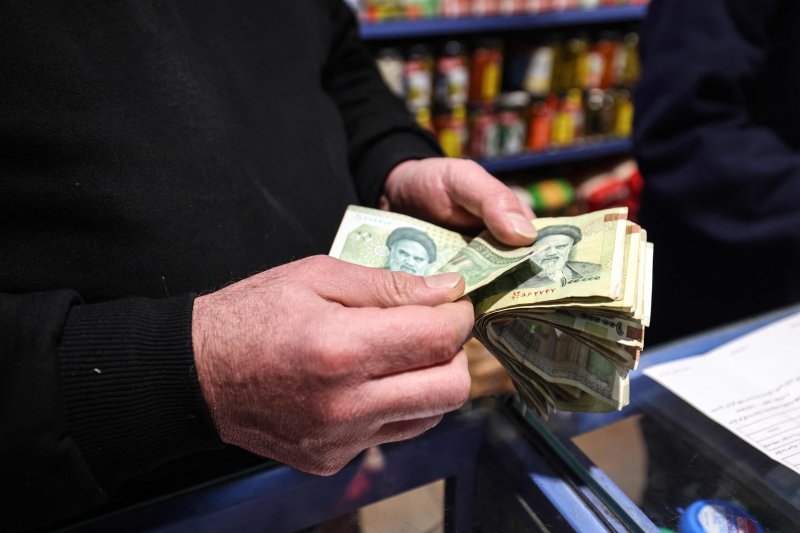
[The Financial News] The issue of Iran's frozen assets has emerged as the biggest last-minute hurdle in negotiations between the United States (US) and Iran aimed at ending the conflict.
Experts say this obstacle could become a powerful variable that could instantly undo all diplomatic efforts so far.
On the 25th local time, the United Arab Emirates (UAE) daily The Voice of the Emirates (VOE) reported that the Iranian government is desperate to have these frozen assets, estimated at about $100 billion, or roughly 151 trillion won, released in order to revive its sluggish economy. The US, meanwhile, is insisting that any release be tied to strict security guarantees, including the freezing of key nuclear facilities and assurances of safe navigation through the Strait of Hormuz.
The newspaper said the tense tug-of-war between the two sides over the timing and method of release has pushed the negotiating team into a complex diplomatic deadlock. It added that the frozen funds are likely to become a decisive factor in the fate of the memorandum of understanding (MOU) expected to be signed later.
Iran is demanding the immediate lifting of the asset freeze, while the US is holding firm that concrete steps must come first.
According to Iran's state-run Tasnim News Agency, the Iranian side stressed that the frozen funds must be released "immediately and unconditionally" at the same time the MOU is signed, calling it a "red line."
The US approach, by contrast, is extremely cautious. Washington is maintaining that not a single dollar can be released until it receives tangible and specific guarantees on dismantling Iran's nuclear program and ensuring the safety of maritime routes. Pressure from Israel, which is also demanding that Iran's highly enriched uranium be taken out of the country, has made the equation even more complicated.
As a result, finding common ground that both sides can accept has become a major challenge for now.
Against this tense backdrop, a high-level Iranian delegation including the speaker of parliament, the foreign minister, and the governor of the Central Bank made a surprise visit to Doha, Qatar, on the 25th, drawing intense attention. The fact that the Central Bank governor accompanied the delegation clearly shows that the core of the talks is ultimately about liquidity support, Iran said.
Qatar is currently serving as a mediator as a "neutral channel" where the funds are deposited. It is a useful arrangement that has already been proven in the past. Middle East experts say that releasing part of the frozen assets, about $12 billion out of the total, could serve as a "key of trust" that brings both sides to a final signing. However, that would only be possible if the two governments show political flexibility beyond their current hardline rhetoric.
VOE said the US and Iran are ultimately facing two choices: reach a "pragmatic compromise" in which part of the funds is released in exchange for a certain level of security commitments, or return to square one if the talks collapse. It added that if the negotiations break down, no one can emerge as a winner in a massive conflict that could engulf the entire Middle East.
The newspaper also said the world is watching to see whether Qatar's diplomatic efforts to find an exit that preserves the dignity of both countries and ensures lasting stability will succeed.
[email protected] Yoon Jae-joon Reporter