The US Presses Iran for a Deal with Carrots and Sticks, Even as It Makes Concessions on Denuclearization and Launches Airstrikes
- Input
- 2026-05-26 14:43:50
- Updated
- 2026-05-26 14:43:50
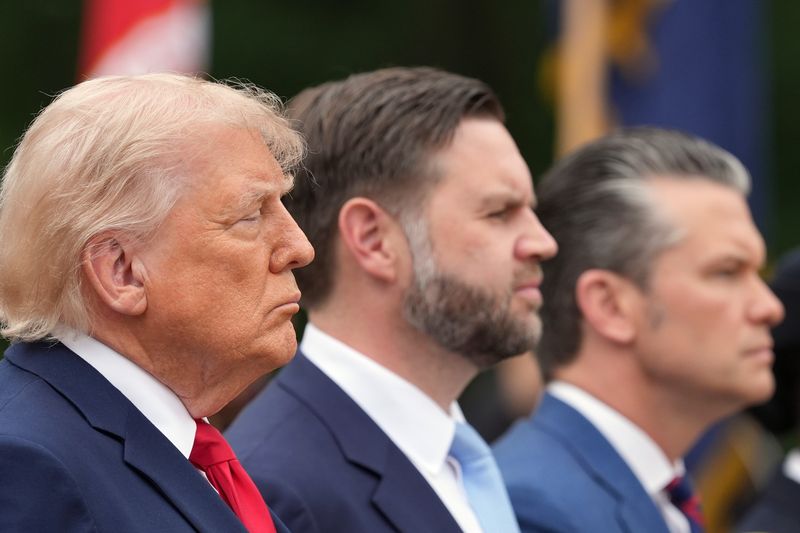
[The Financial News] The Trump administration is pressing Iran, which is in peace talks, by offering both carrots and sticks. The administration is facing domestic resistance to major concessions, while Iran is also signaling that it will not back down.
The US makes some concessions in denuclearization talks
On May 25, local time, US President Donald Trump said on Truth Social that Iran's enriched uranium might not need to be removed from the country and could instead be disposed of in Iran or in a third country. In a separate speech that day, he said, "Iran will never have a nuclear weapon." Previously, the US had demanded that Iran remove all of its highly enriched uranium overseas and halt uranium enrichment for the next 20 years.Iran was reported to have held 440 kilograms of uranium enriched to about 60 percent before the US bombed its nuclear facilities last year. Uranium enriched to more than 90 percent can be used as material for a nuclear bomb. The uranium in question is believed to be enough, if further enriched, to make 10 nuclear bombs. It is thought to have been buried underground at the Isfahan facility during the US-Israel bombing of Iran's nuclear sites in June last year.
Iran believes that handing the uranium over to the US would create the impression, at home and abroad, that it had "surrendered" to its enemies, which could destabilize the regime. Two senior Iranian officials who spoke to Western media on May 21 said that Supreme Leader Mojtaba Khamenei had rejected the transfer of the uranium. They argued that Iran's leadership believes moving the enriched uranium abroad would leave the country more vulnerable to future US and Israeli attacks.
Iran has already handled enriched uranium domestically before. In 2014, six countries and Iran signed a Joint Comprehensive Plan of Action, under which half of Iran's 200 kilograms of uranium enriched to 20 percent was diluted to 3.67 percent. The rest was physically altered so it could not be used for nuclear weapons. The following year, after Iran reached the JCPOA with the six countries, it kept only 300 kilograms of uranium enriched to 3.67 percent and sent the remaining roughly 8,500 kilograms to Russia.
Another strike in southern Iran, but the ceasefire is expected to hold
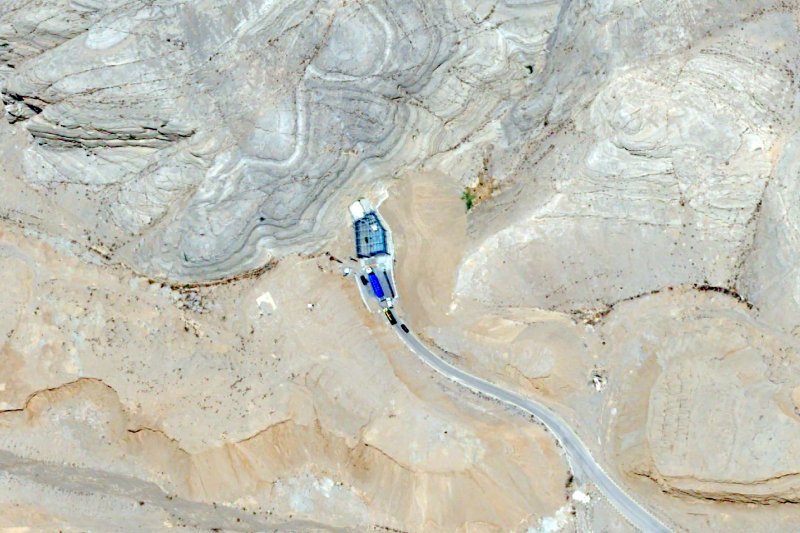
CENTCOM, which oversees US operations against Iran, said in a statement on May 25 that it had carried out airstrikes near the Strait of Hormuz and in southern Iran for "self-defense." Iran's Islamic Revolutionary Guard Corps (IRGC) said on the 26th that it had activated its air defenses after hearing three explosions near the southern port city of Bandar Abbas. The Iranian outlet SNN released the names of three people who were killed, but did not mention the total number of casualties. Several Iranian naval and air force bases are located around Bandar Abbas.An unnamed US official told Fox News on the 25th that the airstrikes were over for now and that the attack had not broken the ceasefire. The US and Iran began a ceasefire on the 8th of last month, but they also exchanged fire near the Strait of Hormuz on the 7th of this month. At the time, Trump stressed that the ceasefire was still in effect.
The attack came as talks between the two sides had stalled. On the 23rd, Axios reported that the two sides were close to signing a memorandum of understanding that would include a 60-day extension of the ceasefire. But the next day, Trump said he would not rush the negotiations. On the 24th, US media outlets including CNN reported that hard-line Republicans and Israel were unhappy with the memorandum discussions.
Meanwhile, Iran's peace negotiation delegation arrived in Doha, Qatar, on the 25th and held a series of meetings with local officials. Unlike the peace talks with Pakistan last month, the delegation is said to be conducting indirect negotiations through Qatar rather than meeting the US delegation face to face. Iran is first expected to coordinate a draft memorandum on ending the war.
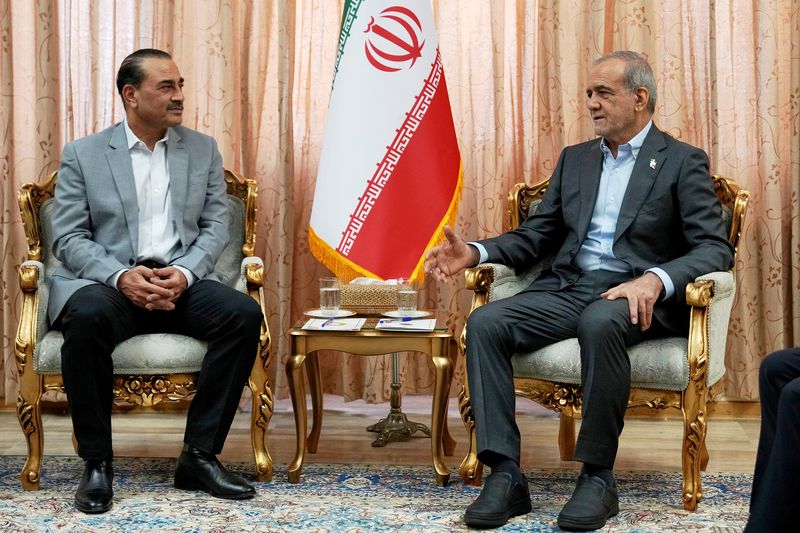
That day, Iranian President Masoud Pezeshkian said, "Iran will not surrender to excessive pressure and demands under any circumstances," adding, "The negotiating team will fully restore the country's rights through the diplomatic process." On the same day, Mohammad Bagher Zolghadr, secretary-general of Iran's Supreme National Security Council, also stressed that "there will be no retreat."
[email protected] Park Jong-won Reporter