[Editorial] Starbucks controversy keeps escalating; political exploitation should be avoided
- Input
- 2026-05-25 19:09:29
- Updated
- 2026-05-25 19:09:29
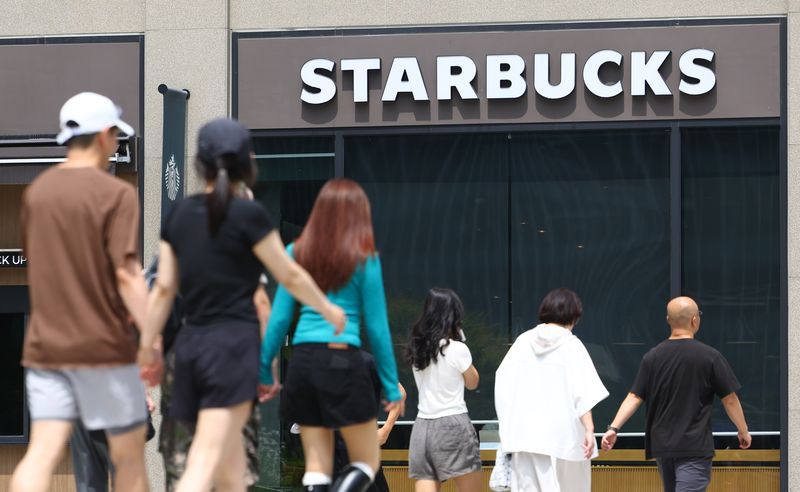
Starbucks' actions, which demeaned and mocked the May 18 Democratization Movement, deserve criticism, and if they violated the law, they should be punished. As the controversy grew, Shinsegae Group Chairman Chung Yong-jin is said to be issuing a direct public apology on the 26th. That is a basic step that should have been taken much earlier. Even if the idea came from some far-right-leaning employees, the group chairman should still state his position and express regret. Chung also bears indirect responsibility for fueling the controversy, given that he has regularly posted his "Anti-Communism Challenge" on social networking service (SNS).
This incident cannot be dismissed as the misconduct of a single employee, and it is an inappropriate act that should never be tolerated or brushed aside. However, with the local elections approaching, launching political attacks and even discussing ways to punish far-right groups is an excessive overreaction. Far-right behavior that glorifies state violence should be addressed through social debate and then resolved by clearly identifying what was wrong.
For politicians to actively involve themselves in this issue ahead of the elections is, first of all, an act that undermines their own political neutrality. The opposition People Power Party (PPP) should also stop at criticizing Starbucks and refrain from intensifying political confrontation. That is because political forces are only deepening an already divided public mood and standing in the way of unity.
When the state or politicians step in, the situation only gets worse. Suppressing not only far-right groups but also citizens with different beliefs can trigger even stronger backlash. That is what is happening now. It is a mistake to believe that people's thoughts can be controlled by law or power.
In particular, the behavior of some politicians who exaggerate the actions of certain citizens or invoke sensitive issues for elections or to rally supporters is deeply problematic. How, then, can they claim to prevent division and promote unity?
In Gwangju Metropolitan City, some civic groups are strongly protesting, even arguing that the Gwangju Shinsegae Complex Shopping Mall project should be halted. From the perspective of Gwangju citizens, this incident is indeed a serious matter that cannot simply be ignored. However, going beyond a boycott and demanding that a hard-won shopping mall project be stopped is excessive. It is an overblown demand that does not help Gwangju's development.
Using this incident as an opportunity, the public and politicians should seek a path toward a more mature civil society. Freedom of expression can also be subject to sanctions when it goes too far. At the same time, trying to suppress it too strongly can provoke an even harsher backlash. Ideological conflict can arise in any country or society. But politicians, business leaders, and entertainers should be extremely cautious and refrain from using their personal views to stir up the public. In today's social media-driven world, even a small issue can quickly escalate into a national problem.