Russia Fires Nuclear-Capable Hypersonic Missile at Kyiv
- Input
- 2026-05-25 13:29:26
- Updated
- 2026-05-25 13:29:26
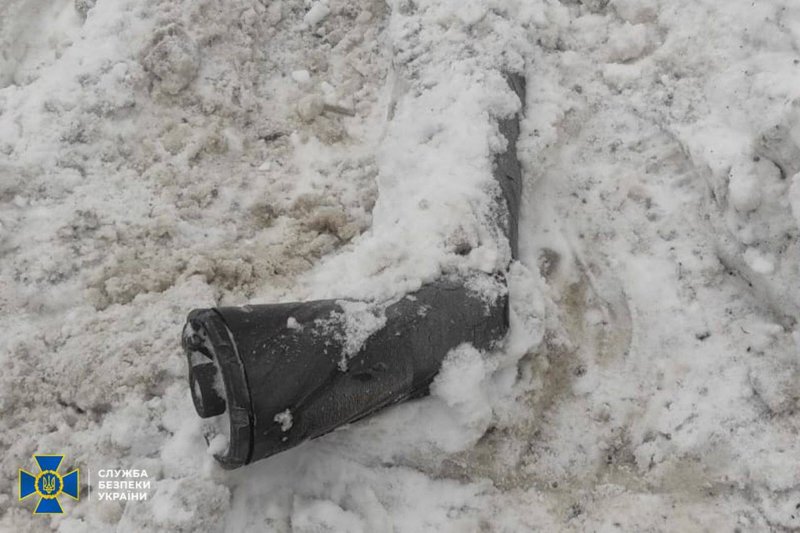
[Financial News] Russia has launched its new hypersonic ballistic missile, Orechnik, toward the Kyiv area since the outbreak of the war in Ukraine. The weapon is considered virtually impossible to intercept with current air defense systems, and the attack caused widespread damage, including at least four deaths.
CNN reported on the 24th local time, citing the Ukrainian Air Force, that Russia carried out a massive strike involving 600 drones and 90 missiles, for a total of 690 aerial weapons. Ukraine's air defenses shot down 604 of them, but the report said the system showed clear limits in intercepting ballistic missiles.
Ukrainian Foreign Minister Andrii Sybiha described it as "one of the largest attacks on the capital Kyiv since the start of the war."
Orechnik, which the United States classifies as an Intermediate-Range Ballistic Missile (IRBM), is a Multiple Independently-targetable Reentry Vehicle missile (MIRV missile) and is believed to have devastating power, capable of carrying both conventional and nuclear warheads.
Because of its extraordinary speed and flight path, it is nearly impossible to stop with the air defense systems Ukraine currently possesses. This was the third time Russia has used the missile in combat.
Ukrainian President Volodymyr Zelenskyy said the Orechnik missile landed near Bila Tserkva, a city in central Ukraine, and stressed, "Russia is truly going mad. It is very important that this crime does not go unpunished."
Meanwhile, Foreign Minister Sybiha said the Orechnik missile launched this time was fitted with dummy warheads instead of live explosives.
The missile launch drew immediate outrage across the West. Kaja Kallas, the European Union (EU) commissioner for foreign affairs and security policy, criticized the move on X, formerly Twitter, saying, "Deploying the nuclear-capable Orechnik missile is a political terror tactic and a reckless nuclear brinkmanship strategy." French President Emmanuel Macron and German Chancellor Friedrich Merz also condemned it as "a reckless escalation of the war," while reaffirming their strong support and solidarity with Ukraine.
The Russian Ministry of Defence claimed the strike was retaliation for what it called a "terror act." Earlier, on the 22nd, a university dormitory was hit in the Starobilsk area of Luhansk Oblast, which Russia occupies in eastern Ukraine, in a drone attack by Ukrainian forces.
TASS Russian News Agency (TASS), citing the Ministry of Emergency Situations, reported that "the number of children killed in Ukraine's drone attack has risen to 18, and three remain trapped under the rubble." Russian President Vladimir Putin described it as Ukrainian "terror" and ordered immediate retaliatory measures.
The Ukrainian military authorities, however, flatly denied allegations that civilians were targeted. "We strike only infrastructure used for military purposes," the Ukrainian military said, adding that the target at the time was the command center of Rubicon, an elite drone unit that has led Russia's drone technology and targeting operations since its establishment in 2024.
[email protected] Yoon Jae-joon Reporter