Open the Strait of Hormuz, and Put the Nuclear Issue on Hold? Trump’s 60-Day Ultimatum to Iran
- Input
- 2026-05-25 08:25:28
- Updated
- 2026-05-25 08:25:28
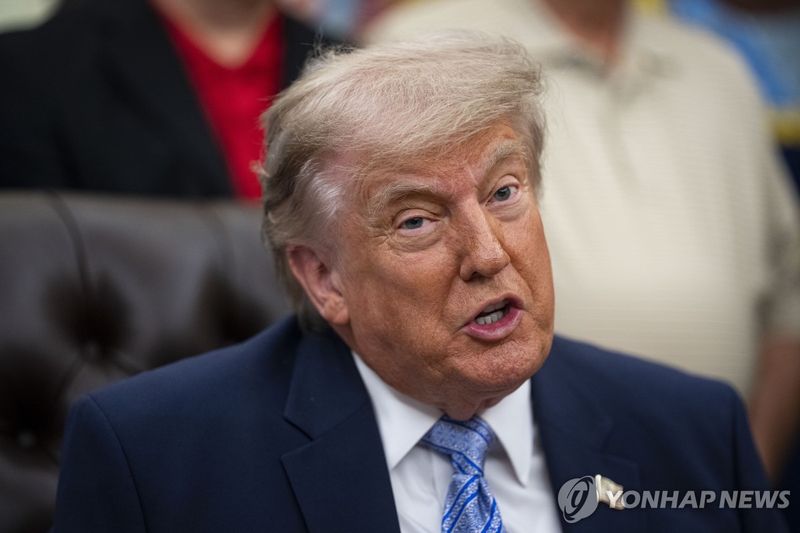
[Financial News] A dramatic turn has unfolded in the Middle East, where war tensions had been building to a breaking point.
News has emerged that the United States and Iran have agreed in principle to reopen the Strait of Hormuz, a vital artery of the global economy, and to dispose of Iran’s stockpile of highly enriched uranium. Both sides, which seemed ready to clash at any moment, have stepped back for now, narrowly avoiding the worst-case scenario.
Taken together with remarks from officials reported by U.S. media outlets including The New York Times (NYT) and CNN, the outline is fairly clear. The U.S. maritime blockade on Iran would be lifted, and the Strait of Hormuz, which had been firmly shut, would be reopened. This is the first time a U.S. official has publicly discussed the details of negotiations with Iran, suggesting that a deal is closer than ever.
But the real fight starts now. On the surface, both sides are signaling reconciliation, yet beneath that, a fierce battle of strategy is still playing out. This agreement is not yet a finished document.
Until the final signatures of U.S. President Donald Trump and Iran’s supreme leader, Ayatollah Mojtaba Khamenei, are in place, it could still be torn up at any moment. Above all, major issues that matter most to the United States — such as banning Iran from possessing nuclear weapons and determining the fate of its highly enriched uranium — have quietly been left out of this initial understanding.
In effect, it is a so-called half-baked deal, with sensitive matters such as Trump’s long-sought transfer of highly enriched uranium to the United States pushed aside under the banner of "further negotiations over 60 days." U.S. officials say sanctions relief and the unfreezing of assets will follow only if Iran first takes concrete action, including reopening the Strait of Hormuz and implementing the nuclear agreement.
The pressure from the United States, which holds the upper hand, is sharp and uncompromising. Secretary of State Marco Rubio delivered a blunt warning, saying, "You cannot solve a major nuclear issue in 72 hours, scribbled on the back of a restaurant napkin." The message is clear: open the Strait of Hormuz now, and only then move on to serious talks about giving up highly enriched uranium and nuclear weapons.
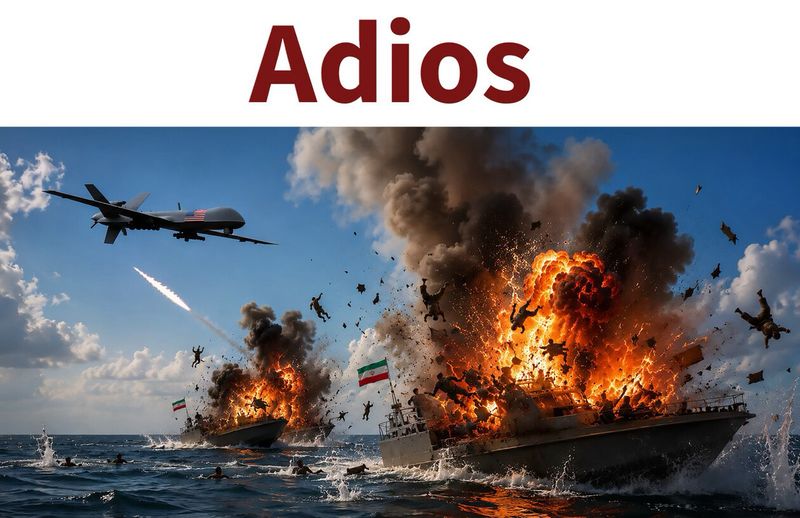
If the two-month negotiations do not produce the outcome Washington wants, Trump will bring back all options, including military strikes, within 60 days, Rubio warned. In other words, if Iran does not raise a clear white flag during the grace period, there will be no mercy.
Trump also used his social media account to say, "The negotiations are constructive, and time is on our side," signaling that the pace should not be rushed. Behind that message is a calculated effort to soothe hard-liners within the Republican Party who oppose any deal without a firm commitment to abandon nuclear ambitions, while also slowly tightening the screws on Iran.
The 60-day brinkmanship between Trump and Mojtaba Khamenei, which has drawn the world’s attention, has already begun.
[email protected] Jeon Sang-il Reporter