[Editorial] The Burden of N% Performance Bonuses on Companies Calls for Thorough Action on Social Fallout
- Input
- 2026-05-24 18:31:43
- Updated
- 2026-05-24 18:31:43
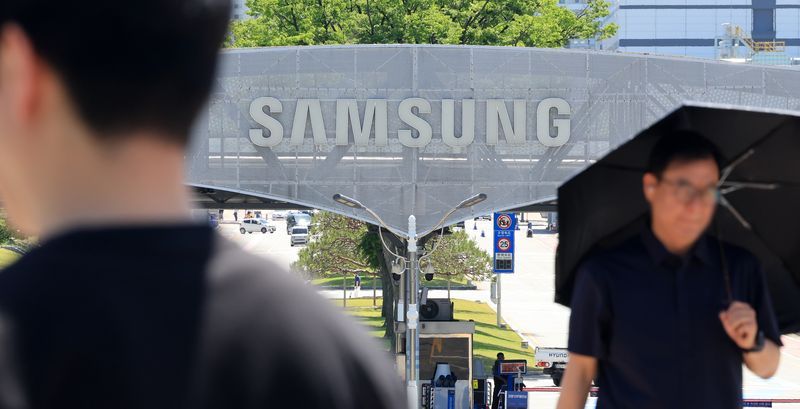
If a general strike had become a reality, the company would have faced losses of nearly 100 trillion won, including indirect damage. The unprecedented shutdown of advanced production lines was averted, but the issue of weakened investment competitiveness and the spread of performance-bonus struggles across all industries is by no means simple. The widening wage gap among workers, along with the lingering effects of labor disputes, could also become a serious social problem.
The semiconductor super cycle brought enormous profits to chipmakers, but those gains were the result of investments made decades ago. That is why the success or failure of the future depends on investment made now. In the era of artificial intelligence (AI), semiconductors have become a fierce capital race, often described as a 'war of money.' In a period of industrial upheaval, technological leadership is decided by the ability to mobilize vast sums of capital and invest at the right time. That is also why overseas rivals are stepping on the accelerator with massive investments.
Micron, the U.S. chipmaker that is closely trailing Samsung and SK in memory chips, recently announced that it will sharply expand its capital spending this year. It plans to invest $100 billion over the next 20 years in the megafab in New York State that broke ground earlier this year. Taiwan Semiconductor Manufacturing Company Limited (TSMC), the world's No. 1 foundry, has raised its capital spending target to $56 billion this year. That is more than half of its capital spending over the past three years. It is also expanding its production base beyond Taiwan to the United States and Europe. Intel, backed by strong support from the U.S. government, is also moving quickly. Even Intel, which had been mired in a slump despite the semiconductor boom, is now trying to stage a comeback.
While overseas companies are fighting to secure cash for investment, Samsung Electronics and SK hynix must take seriously the reality that fixed annual bonus obligations could amount to tens of trillions of won. Earlier, SK hynix, which allocates 10% of operating profit to performance bonuses, paid 4.7 trillion won in bonuses to employees earlier this year. Based on this year's operating profit forecast of around 250 trillion won, employees would have to receive 25 trillion won early next year. The following year, the figure is estimated at 40 trillion won. That amount, equivalent to two years of performance bonuses, would be enough to build more than three semiconductor fabs.
It is also worth noting that it is hard to find any major overseas tech company that forces an N% allocation of profits as bonuses. In TSMC's case, it has only set a minimum standard requiring at least 1% of annual operating profit to be used as bonus funds. A separate committee determines the exact bonus amount based on that year's performance. Micron and Intel reflect a range of factors, including individual performance, technological achievements and sustainability. The same is true for Google and Meta Platforms.
The labor union's fight for 'N% performance bonuses' is also showing signs of spreading to the auto and shipbuilding industries. Labor unions at Hyundai Motor Company and HD Hyundai Heavy Industries have already sent management wage proposals centered on the distribution of N% of profits as bonuses. The wage gap among workers by industry and company, between semiconductors and non-semiconductors, and between large corporations and small businesses is already a problem, and it could become even more severe in the future. It is time for labor, management and government to sit down together and work out fundamental reforms to wage and bonus distribution, as well as measures to ease worker polarization. If this is left unchecked, it could weaken corporate competitiveness and trigger extreme social conflict.