While Samsung Electronics and SK hynix Hand Out Bonuses, Micron and TSMC Raise Capex by Up to 38 Trillion Won and 85 Trillion Won
- Input
- 2026-05-24 09:01:11
- Updated
- 2026-05-24 09:01:11
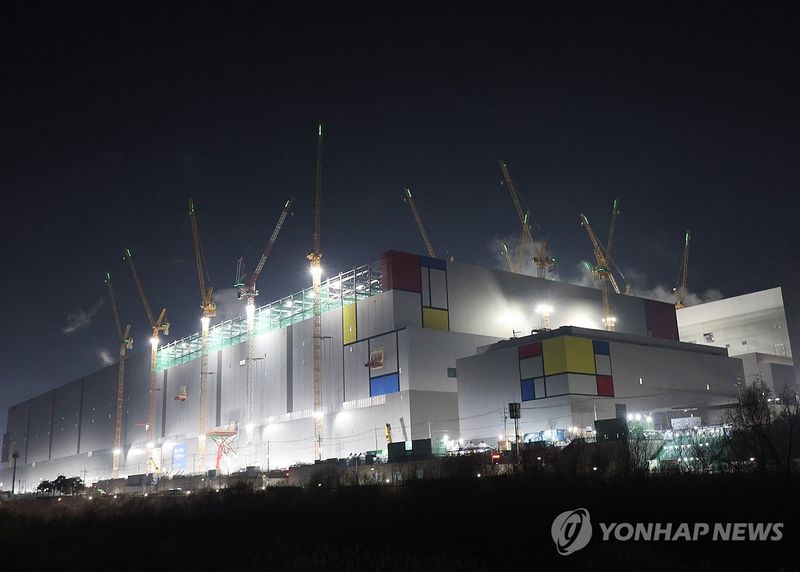
According to the industry on the 24th, U.S. chipmaker Micron raised its planned capital expenditure for this year from $20 billion to $25 billion, or about 38 trillion won. It also plans to invest up to $100 billion, or about 152 trillion won, in its Clay megafab campus in New York State over the next 20 years. TSMC has lifted its annual capex target to as much as $56 billion, or about 85 trillion won. That amount is more than half of its cumulative capital spending over the past three years. TSMC is expanding production bases beyond Taiwan to the United States and Europe.
SK hynix paid employees about 4.7 trillion won in bonuses earlier this year. Given expectations that operating profit this year will reach around 25 trillion won, the company is projected to pay about 25 trillion won in bonuses early next year. There are also forecasts that operating profit could reach 40 trillion won in 2027. In that case, SK hynix would pay bonuses totaling as much as 65 trillion won over two years. Considering that building one semiconductor fab costs about 20 trillion won, the amount would be enough to build more than three fabs.
An industry official said, "Because this industry goes through repeated booms and downturns, flexibility in capital management is important." The official added, "In the semiconductor industry, where long-term and large-scale investment is essential, it is difficult to withstand a downturn if a company fails to secure enough capital during a boom."
Questions have also been raised over whether the bonus agreement violated fiduciary duties to shareholders. Korea Shareholder Action Headquarters says Samsung Electronics special performance bonus decision concerns shareholder rights and is demanding an extraordinary general meeting of shareholders. The group argued that, under Supreme Court of Korea precedent, this type of performance-based compensation does not qualify as "wages or other working conditions" that labor and management can negotiate. It also said it would pursue a lawsuit to invalidate the decision if the meeting is not held.
Earlier, President Lee Jae Myung criticized the idea of institutionally sharing a fixed percentage of operating profit during his opening remarks at the State Council of South Korea and Emergency Economic Response Meeting on the 20th, saying investors cannot do that either.
There are also calls for a more transparent and diversified system for calculating bonuses at Korean companies. Samsung Electronics Co., Ltd. and SK hynix have previously paid bonuses based on Economic Value Added (EVA), but the calculation methods and factors were not clearly disclosed, leading to controversy. Samsung Electronics incorporates market conditions and competitors' performance, such as competitors' Return on Equity (ROE), into EVA. However, employees have pointed out that there are no clear standards, allowing variables to be adjusted arbitrarily. As a result, there have been calls to use simple and intuitive operating profit as the basis for bonuses.
The Korea Corporate Governance Forum emphasized the need for a simple performance evaluation and compensation system that all stakeholders, including management, boards, employees, and shareholders, can understand and measure. The forum explained that Apple and NVIDIA use indicators such as Total Shareholder Return (TSR), revenue growth, and operating profit growth in executive evaluation and compensation.
[email protected] Park Moon-soo Reporter