Priority Talks Focus on Lifting Frozen Assets as Iran Signals Progress in Negotiations with the U.S.
- Input
- 2026-05-24 09:02:39
- Updated
- 2026-05-24 09:02:39
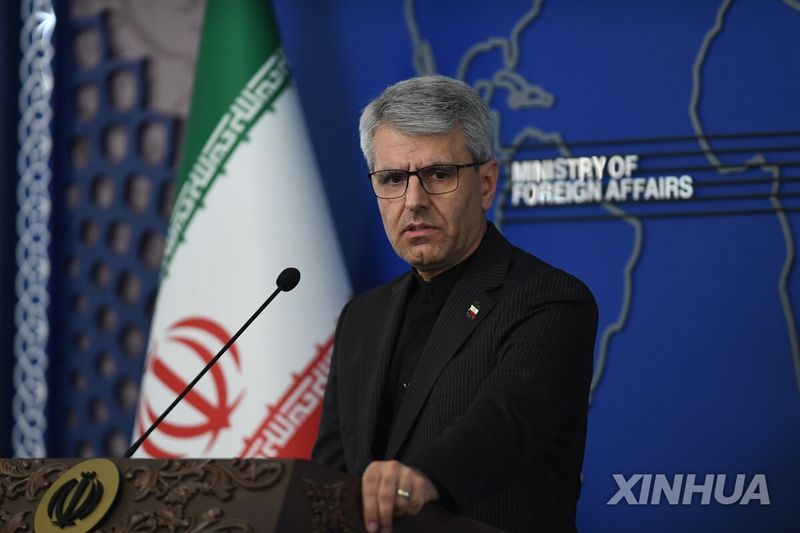
Esmail Baghaei, spokesperson for Iran's Foreign Ministry, said on the 23rd local time through Iran's state-run Islamic Republic of Iran Broadcasting (IRIB) that differences between the two sides have narrowed in talks with the U.S. on a ceasefire proposal. Baghaei said, "We are very close to an agreement, but at the same time very far apart," adding that work is under way to finalize a Memorandum of Understanding (MOU).
Baghaei explained the background to a two-day series of meetings in Tehran between Pakistan's Commander-in-Chief Asim Munir and Iran's leadership, including the President of Iran, the Speaker of the National Assembly, and the Minister of Foreign Affairs, starting the previous day. He said the visit was intended to exchange messages between the U.S. and Iran. He also suggested that the visit marked progress in the negotiation process.
On the terms of the talks, Baghaei said that once the MOU is finalized, negotiations on the next stage will follow, and the issue of releasing Iran's frozen assets must be decided first. He said Iran's 14-point demands include all major agenda items, including nuclear issues and the release of frozen assets. However, he added that nuclear issues will not be discussed in detail at this stage.
Baghaei said, "We know that the nuclear issue was used as a pretext for two wars of aggression against Iran," adding that whether to approach the nuclear issue within 30 or 60 days will be decided after an agreement on the ceasefire proposal. He explained that if the U.S. and Iran reach an agreement on the ceasefire MOU, the main text will include a provision for a 30- or 60-day grace period before nuclear talks begin. He said that period will not start until the MOU is finalized.
Baghaei said, "We will focus the talks on ending the war on all fronts, including Lebanon." He also said, "We are now working to finalize the MOU," adding that the two sides' positions have gradually narrowed since last week and that the outcome over the next three to four days should be watched closely. He noted that differences remain, but they are shrinking.
Meanwhile, Baghaei stressed that the Strait of Hormuz issue "has nothing to do with the U.S. and is a matter between us and the coastal states." He added that Iran is strengthening cooperation with Oman and that countries supporting freedom of navigation should work together to stabilize maritime security.
[email protected] Park Moon-soo Reporter