Court Warns Samsung Biologics Union: "20 Million Won per Violation if It Orders Suspension of Core Production Processes"
- Input
- 2026-05-22 15:18:00
- Updated
- 2026-05-22 15:18:00
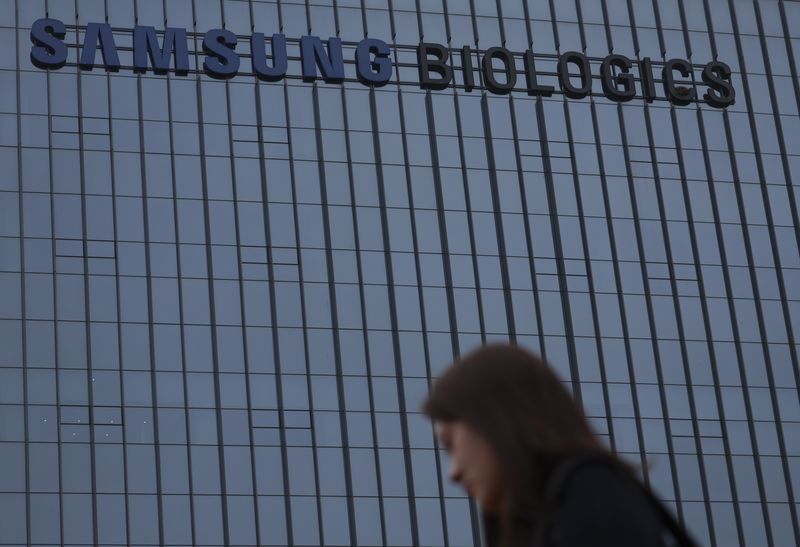
[Financial News] As the conflict between Samsung Biologics and its labor union continues, the court has ruled to restrict orders to suspend core production processes during the union's strike.
On the 22nd, the legal community said that Incheon District Court Civil Division 21, presided over by Judge Yoo Aram, partially granted Samsung Biologics' request for indirect enforcement against the Samsung Biologics Branch of the Samsung Group Super-enterprise Labor Union.
The court found that the union must not instruct members to halt key finishing processes during a strike or distribute related guidelines. It also decided that any violation would require the union to pay 20 million won to the company per case.
Samsung Biologics had previously filed for indirect enforcement, arguing that the union could still disrupt production despite the court's ruling. The company had sought a coercive fine of 100 million won for each violation, but the court only partially accepted that request.
The processes covered by the ruling are three core stages directly tied to the final phase of production: concentration and buffer exchange, bulk drug filling, and buffer preparation and supply. These steps are known to have a direct impact on product quality and delivery schedules in the biopharmaceutical manufacturing process.
In an earlier hearing on an injunction to ban industrial action, the court did not accept the indirect enforcement request, saying the union was not highly likely to violate the ruling. However, it later changed its view after continued disputes arose over whether the union had breached the injunction while issuing guidance on annual leave, overtime, and holiday work.
The court noted that labor-management conflict over collective bargaining is still ongoing, and that the two sides remain far apart on how to interpret the injunction and what level of industrial action is permissible. It added that if the dispute escalates, the union could violate the injunction, and therefore the requirements for indirect enforcement were met.
It also explained that the amount of the coercive fine was determined by taking into account the company's potential losses from any injunction breach, the union's interests, and its financial condition.
Industry observers say the ruling is being interpreted as a case in which the court placed greater weight on protecting core production processes when labor disputes arise at industrial sites where process continuity is critical, such as biopharmaceutical manufacturing facilities.
In particular, Samsung Biologics, which operates a global Contract Development and Manufacturing Organization (CDMO) business, is expected to feel a significant impact on future labor negotiations, as any production disruption could directly affect customer supply schedules.
[email protected] Kang Jung-mo Reporter