UAE's Pipeline Project to Bypass the Strait of Hormuz 50% Complete
- Input
- 2026-05-21 16:21:24
- Updated
- 2026-05-21 16:21:24
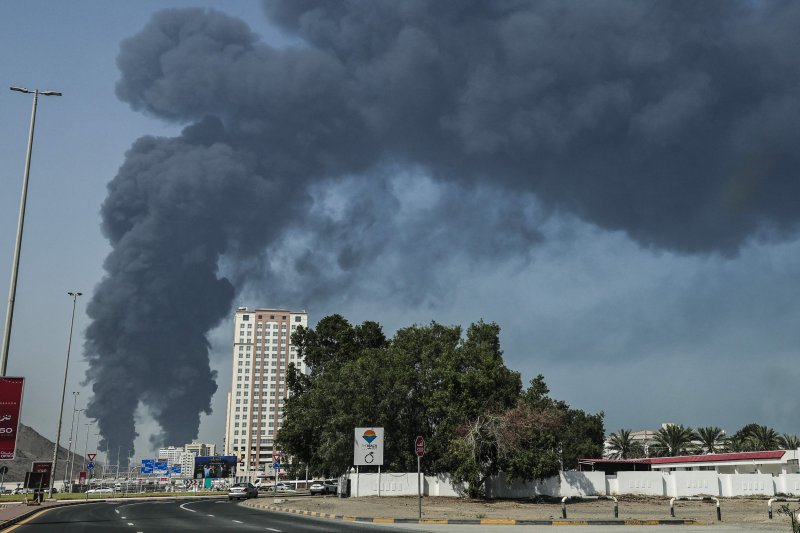
[Financial News] The United Arab Emirates (UAE) has completed about 50% of construction on a second pipeline that bypasses the Strait of Hormuz, the head of Abu Dhabi National Oil Company (ADNOC) said.
In an interview with the Atlantic Council on the 20th local time, ADNOC CEO Sultan Al Jaber said the company had been in close talks with businesses and discussed ways to support the industry. He added, "Too much of the world's energy is currently passing through too few choke points," while explaining the progress.
Once the new pipeline is completed, ADNOC's export capacity through the port of Fujairah on the Gulf of Oman, just beyond the Strait of Hormuz, will double from current levels. The UAE has accelerated construction of the project in response to the recent outbreak of war with Iran and is aiming for full-scale operations in 2027.
Since early March, Iran has blocked the Strait of Hormuz, cutting off oil and gas exports from Gulf region Arab oil producers, including the UAE. The UAE is currently diverting part of its oil exports through the existing Fujairah pipeline, which can transport up to 1.8 million barrels per day.
Al Jaber strongly criticized the blockade of the Strait of Hormuz, saying it has "caused the most serious disruption to energy supplies in history." According to him, the closure has already reduced oil supplies by more than 1 billion barrels, and the blockade is cutting an additional 100 million barrels each week it continues.
Al Jaber said that even if the conflict ends immediately, it would take at least four months to restore oil transport to 80% of normal levels. He said full normalization of oil flows is unlikely until the first or second quarter of 2027.
He noted, "This is not just an economic issue. It is extremely dangerous to set a precedent that a single country can hold the world's most important waterway hostage."
Meanwhile, U.S. Secretary of Energy Chris Wright said in an interview with CNBC on the 15th that the importance of the Strait of Hormuz in the global energy market will decline because Gulf countries will build more pipelines to bypass it once the war with Iran ends.
Wright said of Iran's blockade, "This is a card you can only play once," and stressed that "other routes will be created for energy to leave the Persian Gulf in the future." He added, "The importance of the Strait of Hormuz will decline, but that does not mean the importance of those countries' energy production and supply capacity will diminish."
[email protected] Yoon Jae-jun Reporter