EU Reaches Tentative Deal to Scrap Some Tariffs Ahead of U.S. Auto Tariff Deadline
- Input
- 2026-05-21 11:08:15
- Updated
- 2026-05-21 11:08:15
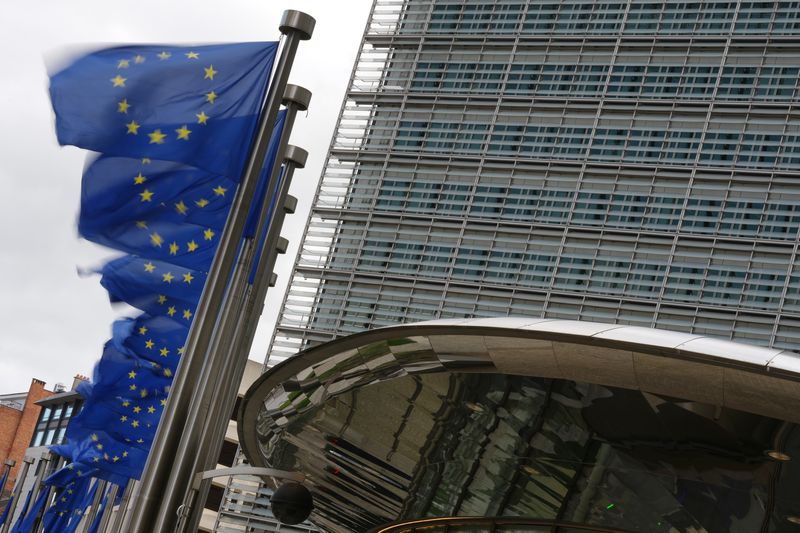
[Financial News] The European Union (EU) negotiating team has reached a tentative agreement to eliminate some tariffs on imports from the United States ahead of the deadline for the auto tariff threat announced by U.S. President Donald Trump.
On the 20th local time, foreign media including The Wall Street Journal (WSJ) reported that the deal is expected to mark an important turning point in transatlantic trade relations, which have been shaken by turmoil.
The EU's decision to scrap the tariffs is part of the EU-US trade deal signed last summer and is also intended to shield European exporters from further shocks.
Until now, European Parliament lawmakers in Brussels had repeatedly delayed ratification of the agreement to pressure the United States. The process was slowed after the Supreme Court of the United States ruled that some of Trump's 'reciprocal global tariffs' were illegal, and after Trump threatened to raise tariffs on countries that opposed U.S. efforts to buy Greenland, a Danish territory.
In response, the United States expressed frustration over the EU's slow pace of negotiations and drew a hard line, warning that it would impose 25% retaliatory tariffs on European cars if the deal was not implemented by July 4.
In the end, the EU worked out a compromise just before Trump's deadline, paving the way for a final vote in the European Parliament.
The European Council said in a statement that "this trade agreement will serve as a platform for continued discussions with the United States on tariff reductions and for close cooperation on shared challenges."
The EU has included a wide range of strong safeguards in the deal to protect European manufacturers against a surge in imports from the United States.
Under the agreement, the European Commission, the EU's executive arm, will have the authority to suspend implementation of the deal immediately if it determines that a sharp increase in imports of U.S. products is harming or threatening local European companies. It also secured the right to keep the agreement in force if the United States fails to meet its obligations under the deal signed in 2025, or if the Trump administration is judged to be discriminating against or targeting European companies.
European lawmakers had originally pushed for tougher rules by including a sunset clause set to expire in March 2028, but after negotiations they agreed to keep the deal in effect until the end of 2029, with the option to extend it later.
A separate provision was also added to protect the European steel and aluminum industry, which was expected to suffer heavy damage. If The White House continues to apply tariffs of more than 15% on EU-made metal products even after December 2026, the European Commission will be able to immediately reimpose retaliatory tariffs on U.S. steel and aluminum.
Earlier, the United States announced in April a tariff regime on steel, aluminum and copper, imposing duties of up to 50% on raw-material-grade metals and 25% on some processed goods.
Ursula von der Leyen, President of the European Commission, said on her X account that "a promise is a promise, and the EU honors its agreements," adding that "together, we can ensure stable, predictable and balanced transatlantic trade."
[email protected] Yoon Jae-joon Reporter