No 'Cap' on Rewards for Stock Manipulation and Accounting Fraud... Effective on the 26th
- Input
- 2026-05-20 20:33:49
- Updated
- 2026-05-20 20:33:49
It will take effect immediately upon promulgation on the coming 26th. The system for sharing reporting information between ministries will also be strengthened.
A cooperative system has been established to ensure that rewards can be paid even if a report is initially received by other agencies, such as the National Police Agency or the Anti-Corruption and Civil Rights Commission, provided it is transferred or shared with the Financial Services Commission or the Financial Supervisory Service. Additional improvements reflecting the results of discussions at the Cabinet meeting last March have also been included in the regulations.
Previously, participants were excluded from eligibility for rewards if they were reported or notified to investigative agencies for unfair trade practices. However, this amendment relaxes the requirements to allow even participants to receive a certain level of reward based on their contribution, provided they did not coerce others into participating in the crime or repeat the same violation within five years.
This measure is intended to encourage active reporting by relevant parties possessing insider information. A system for advance payment of rewards will also be newly established.
In principle, rewards are paid after penalty fines have been definitively paid; however, considering cases where payment to the national treasury is delayed due to prolonged litigation, provisions have been made to allow for the advance payment of 10% of the scheduled amount (with a ceiling of 100 million won) at the time the penalty fine is imposed. In addition, grounds have been established to pay rewards according to certain criteria even when the principal amount used for market manipulation is confiscated or recovered.
The Financial Services Commission plans to push for an amendment to the Capital Markets Act within the first half of this year to enable the confiscation and recovery of principal for other types of unfair trading, such as insider trading and fraudulent transactions. Sanctions for accounting fraud will also be strengthened.
Previously, to prevent the burden of penalty fines from becoming excessive following the amendment of the External Audit Act, fines were calculated based solely on the single fiscal year with the largest violation amount. However, going forward, penalty fines will be increased by 20–30% annually, taking into account the number of fiscal years of violation based on the motive for the violation, such as intent or gross negligence.
However, a cap was placed on the total weighted amount so that it cannot exceed the sum of fines for each fiscal year. A basis for imposing fines on "executive directors" who effectively led or directed accounting fraud without being registered executives has also been newly established.
Under current regulations, fines for company-related parties are based on monetary compensation received from the company; consequently, there was a regulatory loophole where it was difficult to impose fines when the actual controlling party did not receive direct remuneration or dividends from the company. The amendment stipulates that fines shall be imposed even without direct remuneration if economic benefits resulting from accounting fraud—such as amounts misappropriated for private use, embezzlement, or breach of trust—are confirmed, or if it is acknowledged that remuneration or dividends were received from affiliated companies based on consolidated financial statements.
In cases where it is difficult to objectively calculate economic benefits, a minimum standard amount of 100 million won is applied. An official from the Financial Services Commission stated, "This system improvement will significantly contribute to the early detection and rapid response to illegal activities," adding, "We plan to maintain a strict stance against unfair trading and accounting fraud to enhance fairness and transparency in the capital market.
"
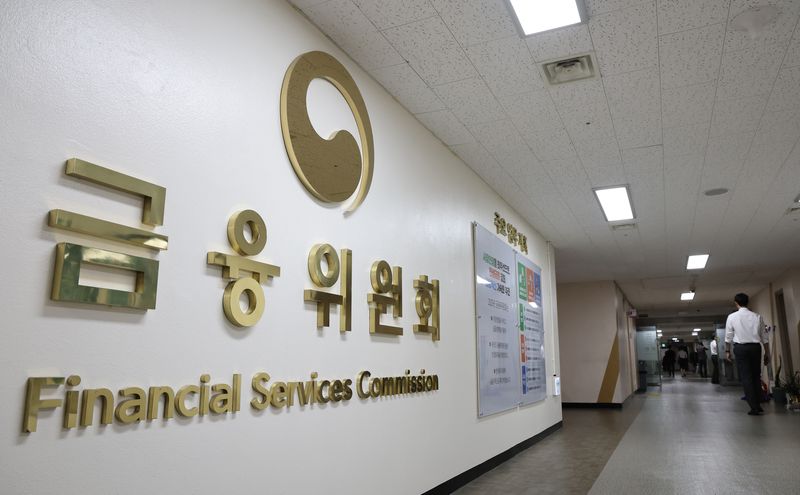
Photo = News1 [Financial News] The Financial Services Commission announced that amendments to the Enforcement Decrees of the Capital Markets Act and the External Audit Act, which completely abolish the payout caps for rewards reporting stock manipulation and accounting fraud and strengthen sanctions for accounting fraud, passed the Cabinet meeting on the 20th. The core of the amendment is to abolish the reward caps, which were previously set at 3 billion won for unfair trading and 1 billion won for accounting fraud, and to switch to a system where up to 30% of the detected illicit gains or administrative fines are paid as rewards. Previously, the Financial Services Commission announced plans to improve the reward system on February 25, and this amendment to the enforcement decree is a follow-up measure.
[email protected] Kim Mi-hee Reporter