[Editorial] Record-Breaking Flour Cartel Exposed, but the Real Problem Is the Slap on the Wrist
- Input
- 2026-05-20 18:19:37
- Updated
- 2026-05-20 18:19:37
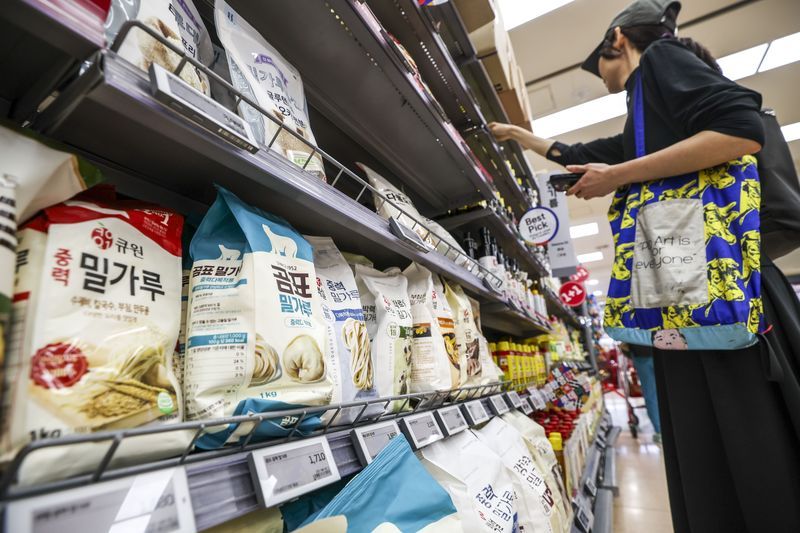
When flour mills collude on prices, bakeries, confectioners, and noodle makers have no choice but to buy flour at higher prices, and manufacturers then raise the prices of their products. In the end, consumers bear the full burden. In fact, flour prices rose by as much as 38% to 74% by company within a year of the collusion. Bread and noodle prices likely rose by a similar amount.
It is said that executives and staff at the flour mills met 55 times to discuss raising prices as part of the collusion. The seven mills accounted for 87.7% of the business-to-business flour market, making it easy for them to manipulate prices. Consumers had no way of knowing. These companies had already been sanctioned for collusion in 2006, yet they repeated the same behavior.
What is especially outrageous is that between June 2022 and February 2023, when global wheat prices were rising, they received 47.1 billion won in government subsidies. It is absurd that the government, unaware of the collusion, even supported them with taxpayer money. With that money, the mills likely posted large profits and raised wages. Their conduct is extremely serious.
Collusion is difficult to uncover because it is carried out in secret. Even after six years of such conduct, it did not come under the FTC's radar. Since collusion harms consumers and the public at large, the authorities must keep a close watch and ensure that no illegal activity is taking place. It is hard to detect if they simply sit back. One effective way to expose it is through whistleblowing. Authorities should encourage reports, even by offering substantial rewards, so that damage can be prevented before it grows.
The flour mills' collusion may be just the tip of the iceberg when viewed across the market as a whole. In particular, collusion is likely taking place in products with monopolistic or oligopolistic structures. Ultimately, only thorough government oversight and strict punishment can stop collusion.
The problem is the slap on the wrist. The Judiciary of South Korea is also at fault for reducing fines, but before that, the FTC's lax attitude is a problem as well. The FTC recently uncovered collusion in the sugar industry and judged it to be a 'very serious violation,' yet it reportedly set the base fine rate as low as 15% and then granted an additional 20% reduction. The reason for the reduction was said to be the companies' cooperation with the investigation.
The reason such absurd decisions are made is likely tied to the practice of former FTC officials joining law firms and working closely with companies. It is no different from the special treatment often given to former judges and prosecutors. The very act of current and former FTC officials helping one another is collusion in itself. This kind of revolving-door favoritism must disappear first. Otherwise, collusion in the industry will be hard to eradicate, and even when it is exposed, companies will simply pay fines far smaller than the gains they made. That is why collusion is not rooted out and keeps recurring.