Macroeconomists forecast South Korea's growth at 2.5% to 3% this year
- Input
- 2026-05-20 15:03:13
- Updated
- 2026-05-20 15:03:13
[Financial News] Domestic and overseas macroeconomic experts forecast that South Korea's economy will grow in the mid-2% range this year, supported by a semiconductor boom and the effects of the supplementary budget. However, they also cited inflationary pressure from a prolonged Middle East war and supply chain instability as major risks.
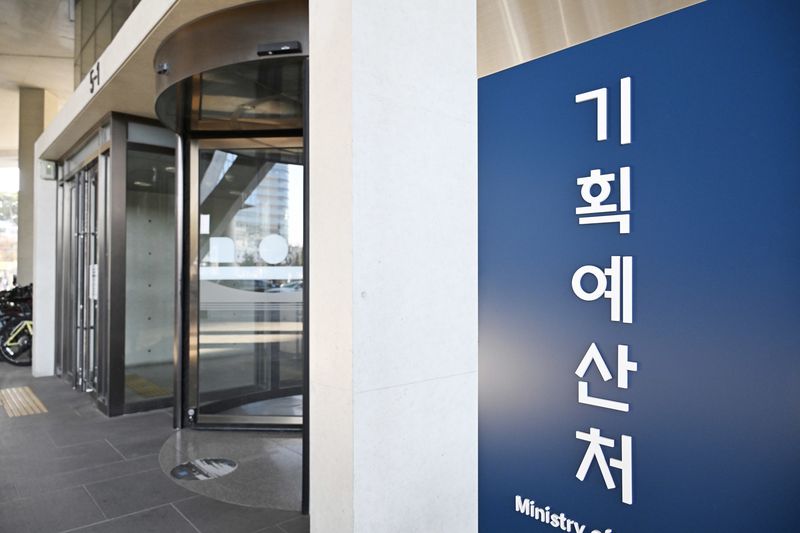
According to the Ministry of Planning and Budget on the 20th, economists from major domestic and international research institutes and investment banks, including the Korea Development Institute (KDI), Samsung Global Research (SGR), Hyundai Research Institute, JPMorgan Chase, Citibank Korea and BNP Paribas, recently held an expert forum to discuss South Korea's economic outlook for this year and next year.
The experts said South Korea's growth rate is likely to come in between 2.5% and 3% this year. Their forecasts included 2.5% from KDI, 2.7% from Hyundai Research Institute, 3% from JPMorgan Chase, 3% from Citibank Korea and 2.7% from BNP Paribas. For next year, they expected growth to slow to between 1.7% and 2.8%.
They said the recovery in the semiconductor cycle is driving the growth trend. At the same time, they pointed to inflationary pressure from a prolonged Middle East war, supply chain instability and a K-shaped divergence between semiconductor and non-semiconductor industries as key risks to the economy. They also raised the need to assess whether the semiconductor boom cycle can continue.
Park Seok-gil, head of JPMorgan Chase's Korea office, said, "The effects of the government's price-stabilization policies and upward pressure on oil prices are mixed." He added, "The inflationary impact of an energy shock remains uncertain, but it will be partly eased through policy."
The experts stressed that an active fiscal role is needed to sustain the economic recovery. They also said it is important to coordinate monetary and fiscal policy, address structural problems and stabilize market sentiment through consistent government messaging.
Joo Won, head of research at Hyundai Research Institute, said, "Fiscal stabilization should be strengthened by swiftly executing the supplementary budget in areas that need a boost in market vitality." Yun Ji-ho, head of BNP Paribas, suggested, "Efforts are needed to improve fiscal efficiency, including restructuring spending on low-performing businesses."
Cho Yong-beom, director-general of the Budget Office at the Ministry of Planning and Budget, said, "Thanks to the semiconductor boom and the supplementary budget, this year's growth trend is better than expected, but downside risks remain, including a prolonged Middle East war." He added, "We will expand growth potential through investment in key sectors and structural reform."
syj@fnnews.com Seo Young-joon Reporter