U.S. Long-Term Treasury ETF Falls to Historic Low as Retail Investors Cut Losses
- Input
- 2026-05-25 13:02:44
- Updated
- 2026-05-25 13:02:44
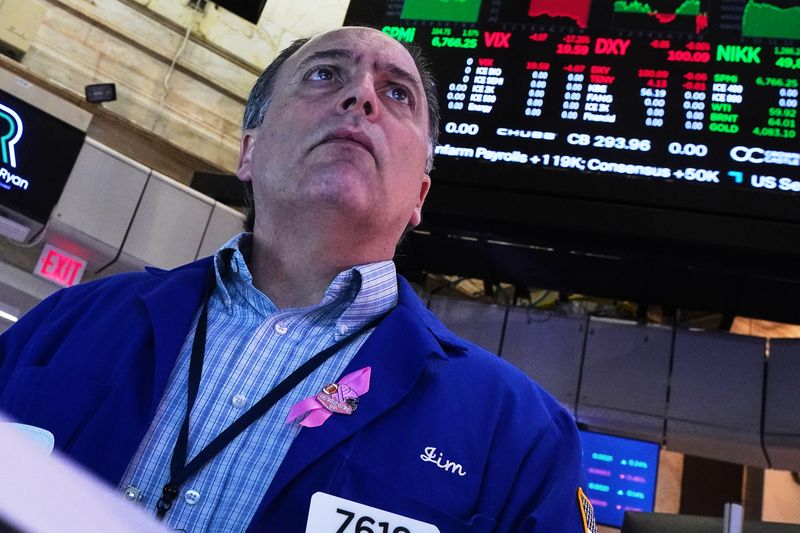

[Financial News] Retail investors are rushing to cut their losses on U.S. long-term Treasury exchange-traded funds (ETFs). The move comes as yields on long-term U.S. Treasuries surged to their highest level in 19 years, dragging related ETF prices to record lows and leaving them with weak returns.
According to the Korea Exchange (KRX) on the 25th, the bond ETF that retail investors sold the most on a net basis from the start of the year through the 22nd was the 'TIGER 30Y UST Covered Call Active (H),' with net sales of 158 billion won. The product tracks the yield of U.S. Treasuries with maturities of 20 years or more while also selling call options as part of a covered call strategy. It has fallen 3.49% so far this year.
Along with this fund, U.S. long-term Treasury ETFs dominate the top ranks of net bond ETF sales by retail investors this year. The list includes 'ACE U.S. 30-Year Treasury Bond Active (Hedged)' at minus 148.8 billion won, 'TIGER U.S. 30-Year Treasury STRIPS Active (Synthetic H)' at minus 98 billion won, and 'RISE U.S. 30-Year Treasury JPY Exposure (Synthetic H)' at minus 44.5 billion won.
As long-term U.S. Treasury yields jumped to a 19-year high and bond prices tumbled, retail investors appear to have effectively given up and sold. On the 20th local time, the yield on the 30-year U.S. Treasury briefly rose to 5.201%.
The rise in bond yields is closely tied to concerns over inflationary pressure from surging global oil prices. As the fallout from the prolonged Middle East war continues, June West Texas Intermediate (WTI) crude oil futures have been fluctuating around $100. With high oil prices persisting, inflation worries have intensified, and markets are increasingly betting that global central banks will raise rates to bring prices under control.
Growing fiscal strain in the United States also added to the upward pressure on yields. According to projections released earlier this month by primary dealers in U.S. Treasuries, the U.S. fiscal deficit for the fiscal year ending in September is expected to reach $1.95 trillion, or about 2,947 trillion won, and could widen to $2 trillion by 2027.
As long-term U.S. Treasury yields surged to a 19-year high, prices of major domestic U.S. long-term Treasury ETFs fell to levels near their all-time lows. Among long-term Treasury ETFs, 'ACE U.S. 30-Year Treasury Bond Active (Hedged),' which has the largest net asset value, closed on the 20th at 7,235 won, down 0.41% from the previous session. That was its lowest price since listing.
Investor outflows from U.S. bond funds are also widening. According to FnGuide, a financial information provider, a total of 2.031 trillion won left North American bond funds from the start of the year through the 22nd. That compares with inflows of 2.4304 trillion won during the same period last year.
Brokerage analysts expect long-term U.S. Treasury yields to remain on an upward trend through the end of this year. Some also say it could take as long as nine months or more before inflationary pressure from the high-oil-price environment begins to ease.
Heo Seong-woo, a researcher at Hana Securities, said, "U.S. inflation data is expected to peak as early as the fourth quarter of this year to the first quarter of next year, before gradually declining." He added, "Because the U.S. economy now has a larger services sector and greater labor cost sensitivity, the lag between peak oil prices and peak inflation is likely to be longer than the nine months seen during the 2022 Russo-Ukrainian War."
He added, "The Fed under Kevin Warsh is expected to maintain its rate-hold stance." He continued, "However, it may stop reinvesting in long-term Treasuries or scale back those reinvestments to shorten the average maturity of the Treasuries it holds, which could add supply pressure to the private market and lead to further upward movement in yields."
[email protected] Park Ji-yeon Reporter