Samsung Electronics union says, "General strike tomorrow"; management says, "This violates the principle of performance and compensation" (roundup)
- Input
- 2026-05-20 12:20:36
- Updated
- 2026-05-20 12:20:36
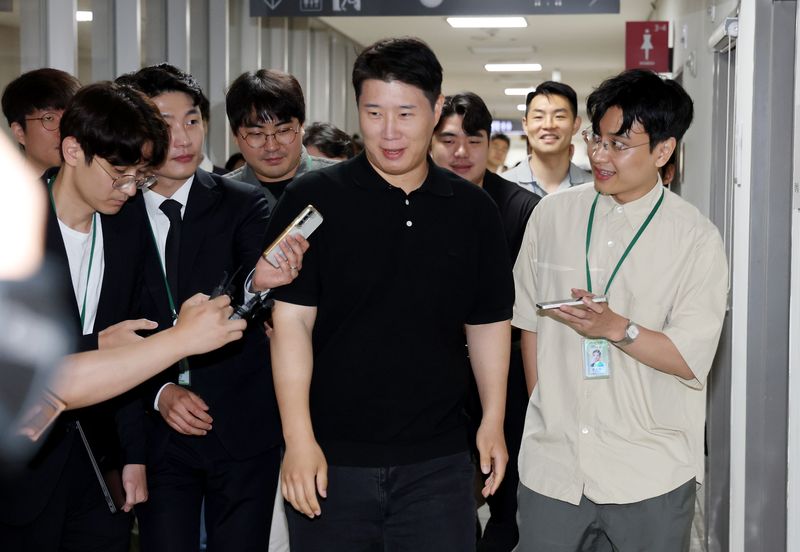
Choi Seung-ho, chairman of the Samsung Group Enterprise-Level Labor Union, Samsung Electronics Branch, said on the 20th, "The union faithfully took part in the three days of post-mediation and did its utmost to find common ground." He added, "At around 10 p.m. on the 19th, the union 'agreed' to the mediation proposal presented by the National Labor Relations Commission, but management expressed its refusal."
He continued, "Just before the chairman of the National Labor Relations Commission was about to declare the mediation unsuccessful, Yeo Myeong-gu, the management's chief negotiator, withdrew his refusal and asked for more time, which extended the process into the third day. However, at 11 a.m. today, management only repeated that 'no decision had been made' and never stated its position. In the end, the post-mediation process was closed by the commission."
The union said it would now move ahead with the general strike scheduled for tomorrow. Choi said, "We deeply regret that the post-mediation process ended because management delayed its decision-making. We cannot hide our disappointment that mediation ended without management making a final decision." He added, "The union will proceed with the legally valid general strike tomorrow as planned. We make it clear that we will not stop working toward a settlement even during the strike period."
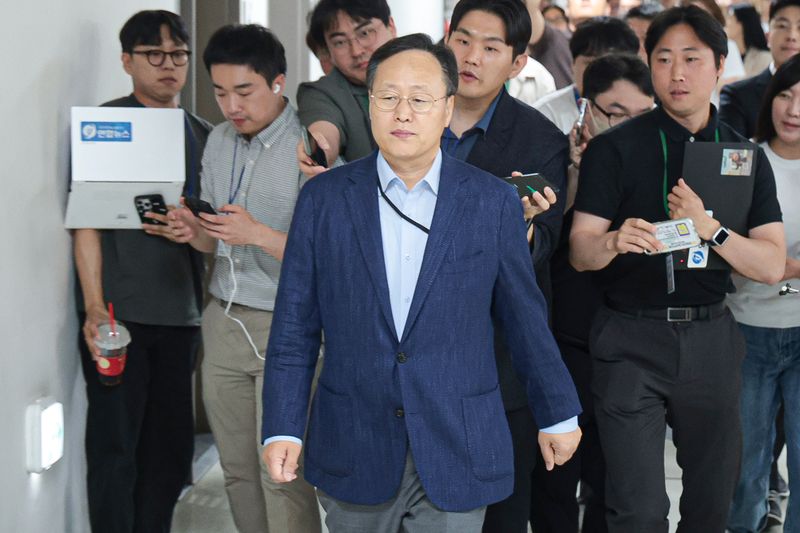
Regarding the breakdown in post-mediation, Samsung Electronics management said, "If we accept the union's demands, it would directly violate the company's basic management principle that rewards should go where performance is achieved." It added, "We judged that abandoning this principle could negatively affect not only our company but also other firms and industries."
Still, management reiterated that it must do everything possible to prevent a strike. Samsung Electronics said, "The company will not give up on dialogue until the very last moment to prevent the worst-case scenario." It added, "Under no circumstances should there be a strike," and said it would continue making efforts to resolve the issue through additional mediation or direct talks with the union. Choi also said, "If there is an additional post-mediation process, we will participate sincerely."
Observers believe the talks failed to narrow differences on just one issue: the common division-level allocation. Park Soo-geun, chairman of the National Labor Relations Commission, said the previous day that labor and management had not reached an agreement, with only one key issue left unresolved. The union leadership is said to have argued that a percentage of operating profit should be distributed in a 70-to-30 split between divisions and business units. That would mean 70% of the performance bonus pool for the DS division would be shared equally across all business units, while the remaining 30% would be distributed based on each unit's performance. The company, however, worried that if the common pool became too large, employees in loss-making units could receive nearly the same bonuses as those in profitable units, undermining the principle of performance-based compensation.
After the post-mediation collapsed, Choi told reporters, "There was one disagreement." Management also said, "The reason no agreement was reached until the very end of post-mediation is that accepting the union's excessive demands as they are could shake the basic principles of company management." It added, "In particular, even though the union had already secured most of the company's acceptance on the size and structure of the performance bonus, it would not back down from demanding compensation of a scale that would be socially unacceptable even for loss-making business units."
[email protected] Im Soo-bin, Jeong Won-il, Kim Jun-hyeok Reporter