Rising U.S. Treasury yields put pressure on the won-dollar exchange rate toward 1,510
- Input
- 2026-05-20 10:39:42
- Updated
- 2026-05-20 10:39:42
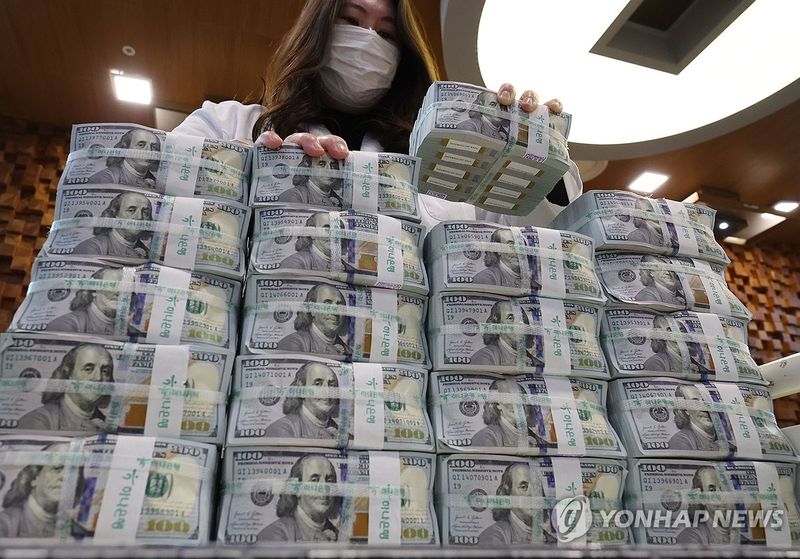
In Seoul's foreign exchange market on the 20th, the won-dollar rate opened at 1,509.0 won, up 1.2 won from the previous session, and climbed above 1,510 won during the day. The exchange rate has already closed in the 1,500-won range for three consecutive trading days since the 15th.
The U.S. Dollar Index (DXY), which measures the greenback against six major currencies, stood at 99.36 as of 10 a.m. Korea time.
The main driver is seen as a stronger dollar, fueled by rising demand for safe-haven currency amid uncertainty in the Middle East and by expectations of a possible rate hike due to higher oil prices. Market yields, in particular, have been surging.
The yield on the U.S. 10-year Treasury ended the session on the 19th, local time, at 4.67%, up 8.0 basis points from the previous day. At one point during trading, it jumped to 4.69%, the highest level in one year and four months since January last year.
The yield on the U.S. 30-year Treasury also reached 5.20% that day. It was the first time since July 2007, just before the global financial crisis, that the yield had risen to that level.
When U.S. market yields rise, capital tends to flow toward the dollar, while pressure on foreign investors to leave stock markets increases. That makes the 'strong dollar, weak won' pattern more entrenched. Even if the gap between Korean and U.S. policy rates narrows, the trend will be hard to reverse unless the market yield gap also closes.
In particular, Japan and China are reportedly selling U.S. Treasuries to defend their exchange rates, adding further downward pressure on bond prices, which means higher yields. On the 19th, 136,500 contracts of 10-year U.S. Treasury futures and 83,000 contracts of 5-year futures were traded in 10 block deals at the Chicago Mercantile Exchange (CME).
Moreover, if the Donald Trump administration pushes ahead with a large-scale tax cut drive as an economic stimulus measure ahead of the midterm elections scheduled for November, long-term yields could rise again. That is because expectations of a widening fiscal deficit would be reflected in market prices through increased Treasury supply.
\r\n
taeil0808@fnnews.com Kim Tae-il Reporter