AI-Savvy New Hires Become Hot Commodities... Companies Planning to Hire More Outnumber Those Planning Cuts by 3 to 1
- Input
- 2026-05-20 05:31:47
- Updated
- 2026-05-20 05:31:47
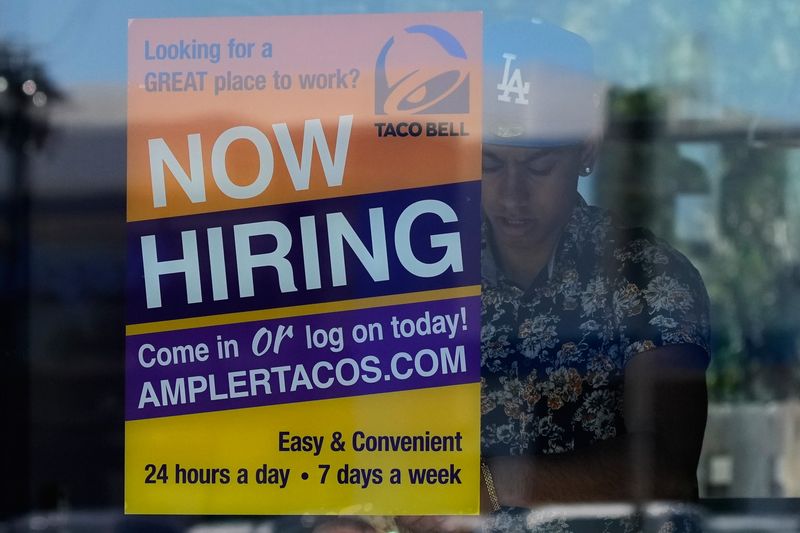
Contrary to the notion that AI adoption would lead companies to hire more experienced workers and cut back on entry-level recruitment, U.S. firms are in fact showing strong interest in hiring new graduates.
A survey found that companies planning to expand entry-level hiring outnumbered those planning to reduce it by a factor of three.
The move reflects the view that AI-savvy Generation Z recruits can help improve workplace efficiency.
The Wall Street Journal (WSJ) reported this on the 19th (local time), citing a survey by the nonprofit Strada Education Foundation.
The conclusion came from a survey Strada conducted in March of about 1,500 U.S. corporate executives and human resources leaders.
AI adoption drives a broader push to hire new graduates
Among companies actively adopting or considering AI, 50% said they would increase entry-level hiring this year, nearly three times the 17% that said they would cut it.
MetLife, a major U.S. life insurer, increased internship and entry-level hiring by nearly 30% last year and plans to continue that trend this year.
International Business Machines (IBM), a leading enterprise software company, also expanded entry-level hiring this year. IBM believes such hiring is essential to maintaining a future talent pool that can drive company growth over the next three to five years.
Nominal, a software company serving the energy, aviation and satellite sectors, hired 10 new graduates this year. While the number is small, it is twice last year's level. Although startups are limited in scale, the increase suggests that software firms are expanding hiring of AI-familiar new graduates. Nominal was recently valued at $1 billion.
Rokt, an e-commerce technology company, hired about 160 new graduates last year and is maintaining a similar pace this year. Its strategy is to secure top talent while other companies hesitate to hire.
AI literacy opens the door to employment
In the AI era, conventional wisdom held that entry-level hiring would shrink because AI would replace the simple, repetitive tasks once assigned to new employees. Yet the expansion in hiring is being driven by Generation Z's strong understanding of AI.
More than 40% of respondents said, "With AI support, new hires are able to move immediately into core work that is more complex and analytical, rather than starting with simple tasks."
In other words, AI-literate Generation Z recruits can be deployed on the front lines right away, unlike in the past.
New hires who are adept at handling AI prompts or AI agents can work at a pace comparable to five to 10 people in the past. By using AI to quickly create report slides or write basic code, they can dramatically reduce the time needed for such tasks, maximizing cost efficiency for companies.
They also have the potential to grow into long-term organizational leaders suited to the AI era, thanks to their understanding of AI. If companies stop hiring new graduates in the name of short-term cost savings, they could face a talent gap in which the middle managers needed to lead the organization in a few years simply disappear.
Ultimately, the key factor in entry-level hiring in the AI era is so-called AI literacy, or how well candidates can use AI.
[email protected] Song Kyung-jae Reporter