Samsung Electronics labor and management head into final showdown on the 20th as government says it can no longer wait
- Input
- 2026-05-20 02:40:54
- Updated
- 2026-05-20 02:40:54
Public attention is focused on the bonus dispute involving about 78,000 employees in Samsung Electronics' semiconductor division, with shareholders, global investors and the company's overseas clients also watching closely.
The government presents a proposal, while the management says it needs to finalize its position.
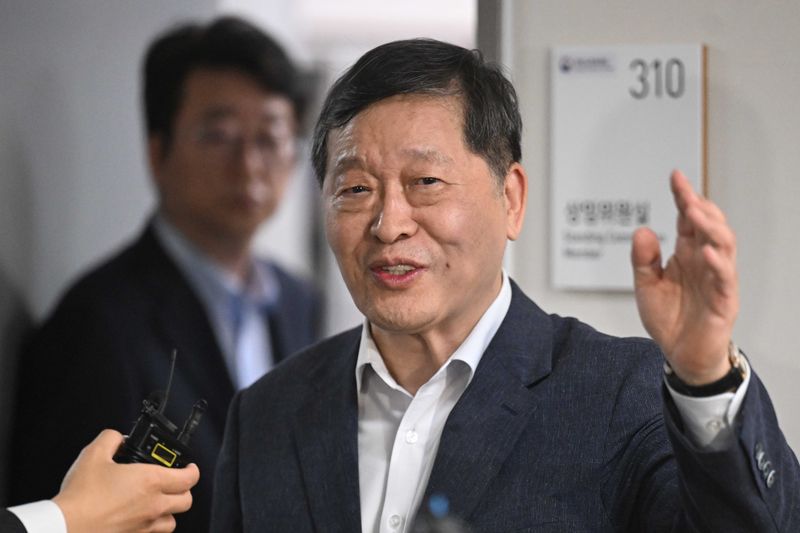
The labor and management chief negotiators will resume the third day of the second post-dispute mediation meeting at 10 a.m. on the basis of the proposal put forward by Park Su-geun, chairman of the National Labor Relations Commission. Samsung Electronics' management negotiator is Yeo Myeong-gu, head of the DS Division's People Team. On the union side is Choi Seung-ho, chairman of the Samsung Group Enterprise-Level Labor Union, Samsung Electronics Branch, the company's largest union.Park said, "The gap between the two sides over bonus payments has narrowed considerably, but they have not reached agreement on one issue." He added, "The management side said it would finalize its position on that matter by 10 a.m. on the 20th." Asked what the "one" issue was, Park declined to say, noting, "I cannot disclose that."
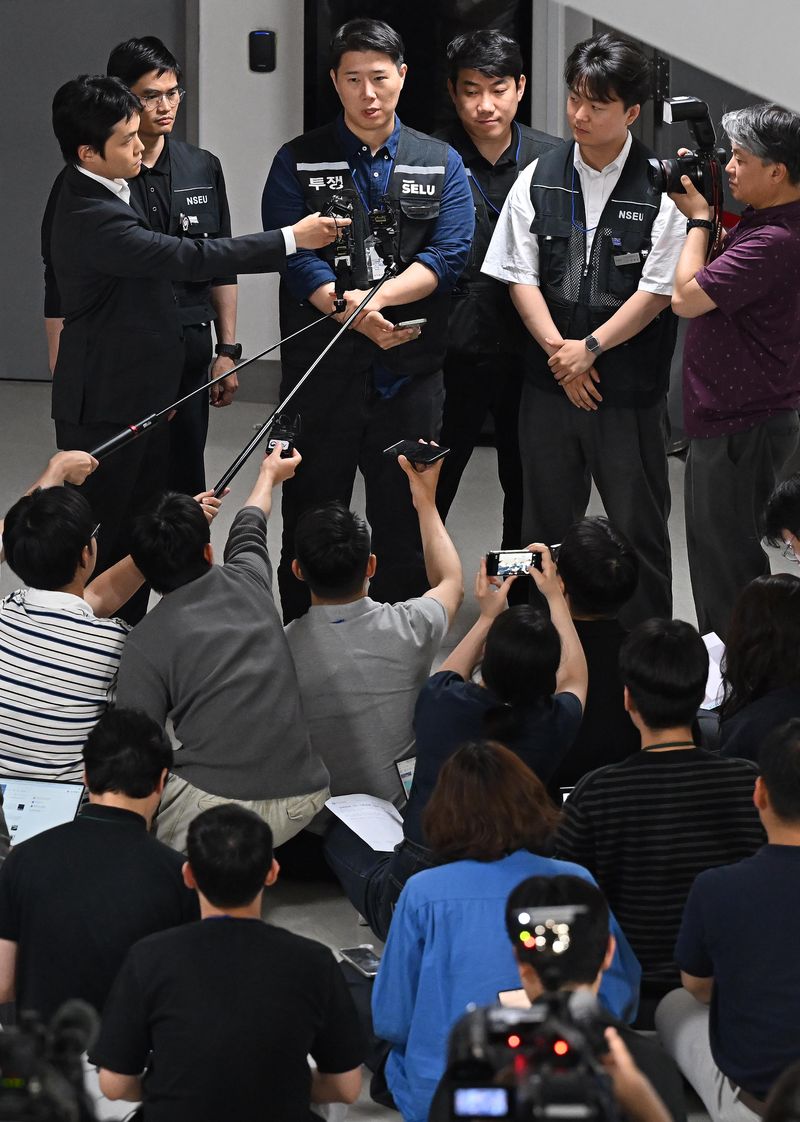
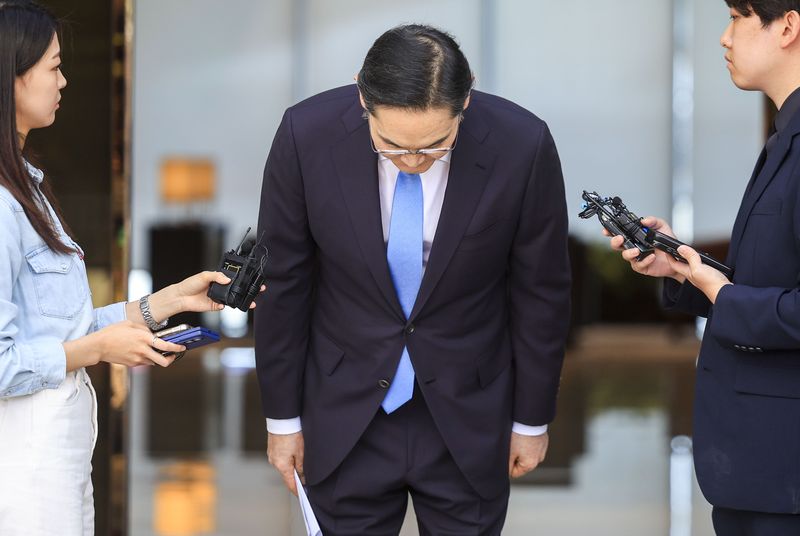
At around 12:30 a.m., after the Samsung Electronics management negotiator requested time to finalize the company's position, the meeting was adjourned. This is seen as indicating that approval from Samsung Electronics' top leadership is needed.
As he left the commission, Park told reporters, "We need to finish this on the morning of the 20th. We can wait no longer."
Only one issue remains... the government says a strike must be prevented
The Samsung Electronics union has demanded that 15% of operating profit be paid out every year as a formal system. In contrast, at a pre-meeting held before the second post-dispute mediation, the management side reportedly proposed paying 9% to 10% of operating profit for three years, with 60% going to the semiconductor division and the remaining 40% additionally allocated to the memory business. Under either the union's or the company's proposal, employees in the semiconductor division's memory business, as well as those in the loss-making System LSI and Samsung Foundry Division, are expected to receive bonuses in the tens of millions of won. However, employees in the DX Division, which handles home appliances and mobile phones and is less profitable than the semiconductor division, are not even part of the current bonus talks.
In post-dispute mediation, if the two sides fail to reach an agreement, the National Labor Relations Commission presents a compromise proposal that blends each side's alternatives. But if either side rejects the proposal, the negotiations collapse and are likely to lead to a strike. Even if the union representative accepts the agreement or mediation proposal, it must still be put to a vote by union members. If it is rejected, the situation returns to square one.
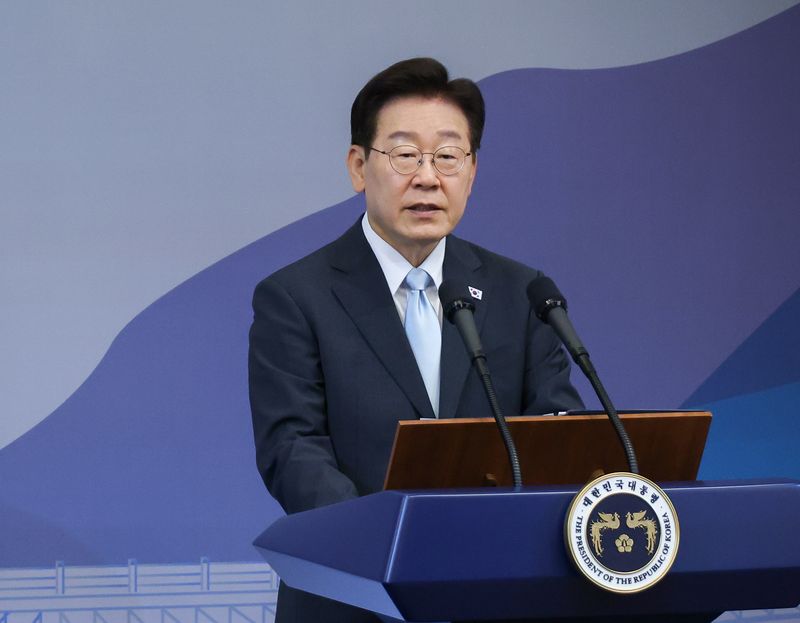
If a strike does occur, however, the government is likely to block it by invoking emergency mediation powers, given the damage to the national economy and the impact on the global semiconductor supply chain. The government says that a strike cannot be allowed, in order to prevent harm to the economy and shocks to the global semiconductor supply chain. After Prime Minister Kim Min-seok, President Lee Jae-myung has also stepped in, signaling a strong determination to resolve the issue by warning the union about corporate management rights and the possible invocation of emergency mediation powers.
Global investors raise concerns over semiconductor risks
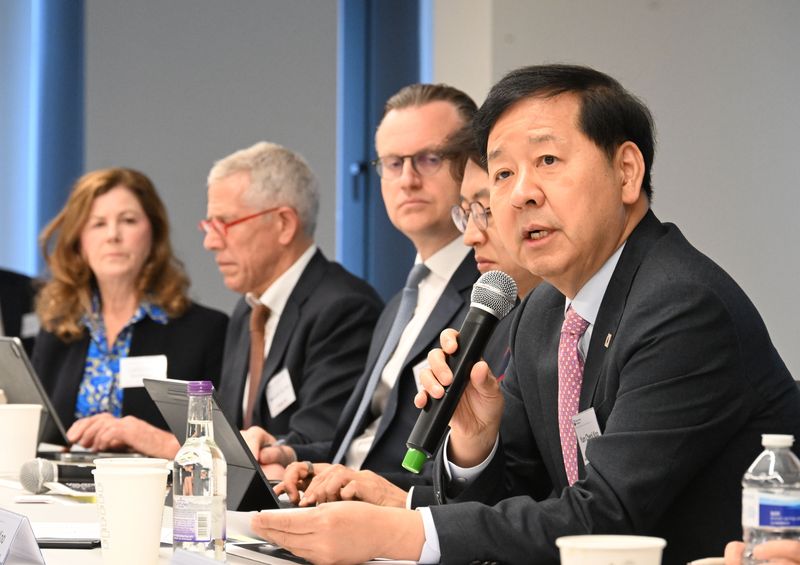
Because Samsung Electronics is the country's top conglomerate and the world's leading semiconductor big tech company by market capitalization, the bonus dispute is drawing intense attention not only from the public but also from global investors. According to the Ministry of Economy and Finance, at a Korea economic briefing held in London on the 18th local time, major global investors reportedly asked Deputy Prime Minister and Minister of Economy and Finance Koo Yun-cheol pointed questions about Samsung Electronics' labor dispute and the possibility of a general strike, focusing on South Korea's heavy dependence on the semiconductor industry and the resulting economic risks. The meeting was attended by BlackRock, Samsung Electronics' third-largest shareholder with a stake of about 5.07%, as well as J.P. Morgan, Fidelity and UBS.
There are concerns that a general strike could trigger a broader pullout from the stock market by foreign investors. Clients such as Apple have already expressed concern to Samsung Electronics about possible disruptions to semiconductor supply.
The business community is also closely watching the possibility that the Samsung Electronics union's demand for performance bonuses tied to operating profit could spread beyond large-company unions to mid-sized and smaller firms. Hyundai Motor Company and Kakao have already called for systems linked to operating profit and net profit.
[email protected] Jo Eun-hyo Reporter