The Spread of an 'Operating Profit N% Bonus System' Is Shaking the Industrial Ecosystem [Final Showdown in Samsung Electronics Labor-Management Talks]
- Input
- 2026-05-19 18:19:31
- Updated
- 2026-05-19 18:19:31
■ Surge in Demands for 'N% of Operating Profit'
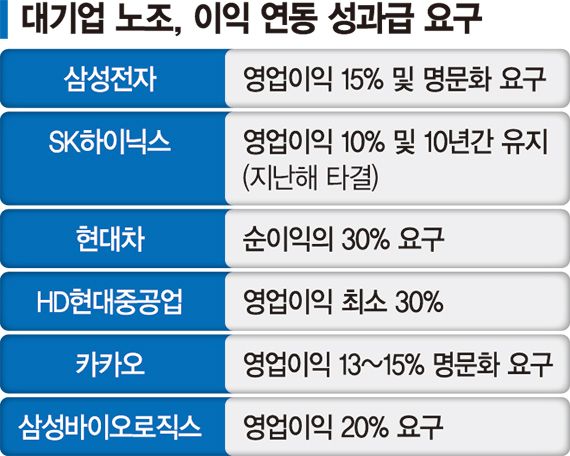
According to a report by this paper on the 19th, labor unions at many major domestic conglomerates are expected to intensify pressure on management for an operating profit-linked bonus system, closely watching the outcome of Samsung Electronics' bonus negotiations. The integrated labor union at HD Hyundai Heavy Industries plans to deliver a wage proposal to management on the 20th that calls for at least 30% of operating profit to be shared as performance pay, a 149,600 won increase in base salary, and a 100% increase in bonuses. A business source said, "Major conglomerate unions are likely to adjust the level of their demands depending on the outcome of Samsung Electronics' bonus agreement." Earlier, the Hyundai Motor Company union had begun pushing for a bonus equal to 30% of last year's net profit, while unions at Hanwha Aerospace and HD Hyundai Electric Co., Ltd. plan to make the abolition of bonus caps a key issue in this year's wage negotiations. Samsung Biologics, an affiliate of Samsung Group, staged a full strike from the 1st to the 5th after its demand for 20% of operating profit was not accepted.
The possibility of breach-of-trust lawsuits from shareholder groups is another major flashpoint. Earlier, the small shareholder group Korea Shareholder Action Headquarters warned that if a system linking bonuses to operating profit is institutionalized, it would seek legal accountability from the board, management, and labor unions. It said it would pursue claims based on violations of directors' duty of loyalty under the Commercial Act, breach of trust in the course of duty, and infringement of shareholders' property rights.
Analysts say the dispute could spread beyond Samsung Electronics to all Samsung affiliates, reigniting labor-management conflict over performance pay. An industry source said, "With the AI and semiconductor boom, the key issue for labor and management is likely to shift from how much base pay to raise to how to divide the profits the company earns." The source added, "Samsung Electronics' negotiations will likely be seen as a symbolic example of this trend."
■ Government Intervention Expected to Expand
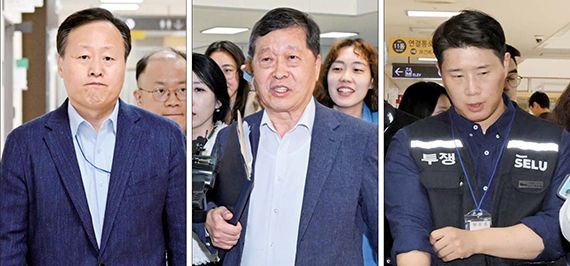
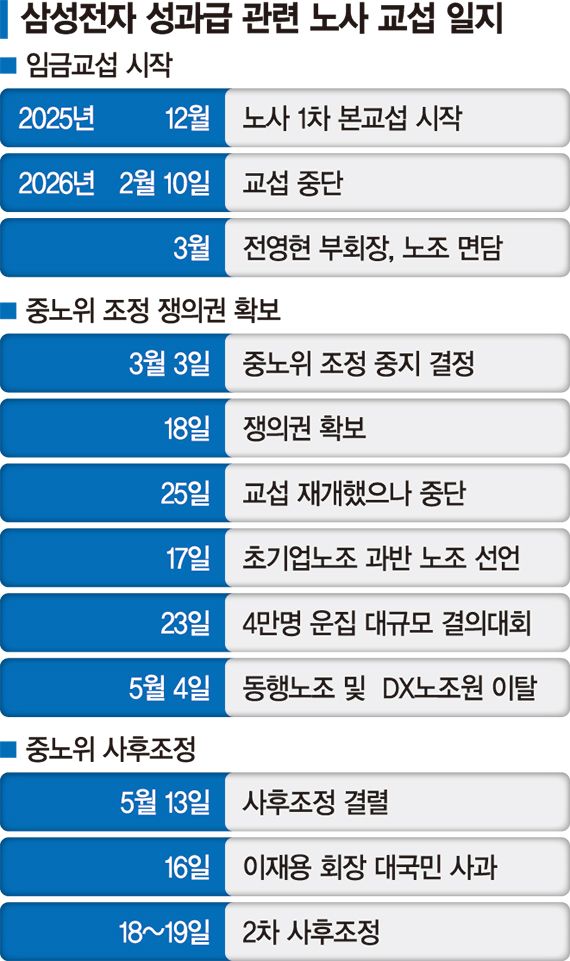
The conflict between Samsung Electronics and its labor union has effectively drawn in Prime Minister of South Korea Kim Min-seok, Minister of Trade and Industry Kim Jung-kwan, and President of the United States Lee Jae Myung, all of whom have stepped in to say that "a strike must absolutely not happen," raising the level of government involvement and ultimately leading to the second post-mediation session at the National Labor Relations Commission. Park Soo-geun's personal appearance at the second post-mediation negotiation session is also seen as a move to maximize pressure for a settlement. Labor relations experts say that since the government has opened the path to strikes through the Yellow Envelope Act, it should now step in directly to resolve the issue.
The number of companies demanding performance pay linked to excess profits is expanding, including Samsung Biologics, which went on strike, as well as Hyundai Motor Company, LG Uplus, and Kakao. Analysts say labor disputes are therefore increasingly likely to spread into government mediation and intervention.
[email protected] Jo Eun-hyo, Jeong Won-il, Kim Jun-hyeok Reporter