EU Braces for 'Stagflation Shock' from Iran War, Signals Lower Growth Forecast
- Input
- 2026-05-19 05:53:15
- Updated
- 2026-05-19 05:53:15
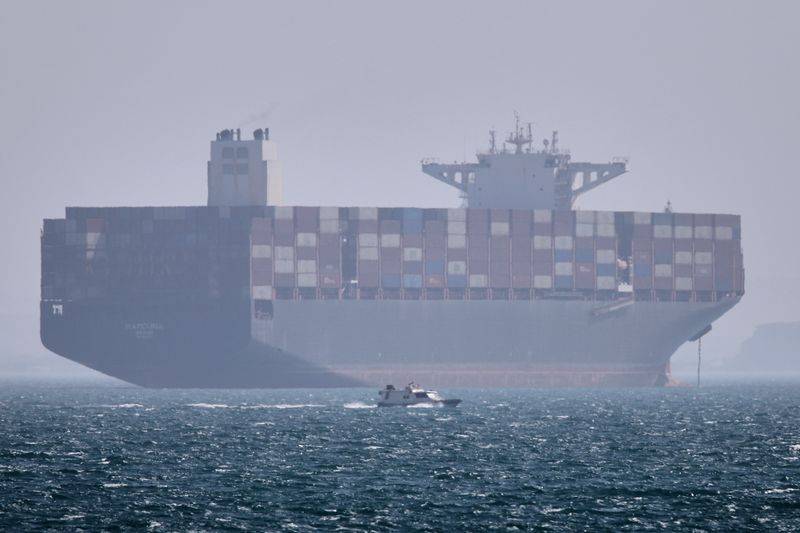
The European Union (EU) has begun preparing for a 'stagflation shock' in which growth slows while prices rise.
In an interview with CNBC on the 18th local time, EU Commissioner for Economy Valdis Dombrovskis said the growth forecast would soon be revised downward because of the 'stagflation shock.'
Dombrovskis said the EU economic outlook to be released this week will likely show a lower growth forecast and a higher inflation outlook.
He said, "We are currently facing a stagflation shock."
The shock stems from soaring global oil prices after the Iran War, which began on February 28 with preemptive strikes by the United States and Israel and led to a blockade of the Strait of Hormuz. On that day, Brent Crude Oil for July delivery climbed above $110 per barrel, the benchmark for global oil prices.
Dombrovskis, however, expressed concern that the EU does not have enough policy tools to soften the stagflation shock. He said the bloc cannot afford to pour in the kind of large-scale fiscal support seen during the COVID-19 pandemic, adding that its current policy options are very limited.
He also suggested that measures to stimulate oil demand, such as subsidies to offset higher prices, would not be part of the policy response.
Experts have warned that the world must prepare for an oil supply shock. The Strait of Hormuz, a key route that handles 20% of global oil and natural gas supplies, has been blocked, causing serious disruptions to fossil fuel shipments. As countries respond by releasing strategic reserves, concerns are also growing that those reserves could be depleted because the Iran War shows no sign of ending.
Europe is expected to face a de facto oil shortage by the end of this month.
Dombrovskis said the EU's release of its SPR is continuing, while warning of the possibility that an energy shortage could become a reality.
He stressed, "The longer the conflict (the Iran War) drags on, the greater the risk of bottlenecks in some supplies." He added, "For that reason as well, policy responses should not encourage demand for fossil fuels."
[email protected] Song Kyung-jae Reporter