Trump, at Record-Low Approval, Delays Russia Oil Sanctions Again to Push Down Fuel Prices
- Input
- 2026-05-19 03:58:58
- Updated
- 2026-05-19 03:58:58
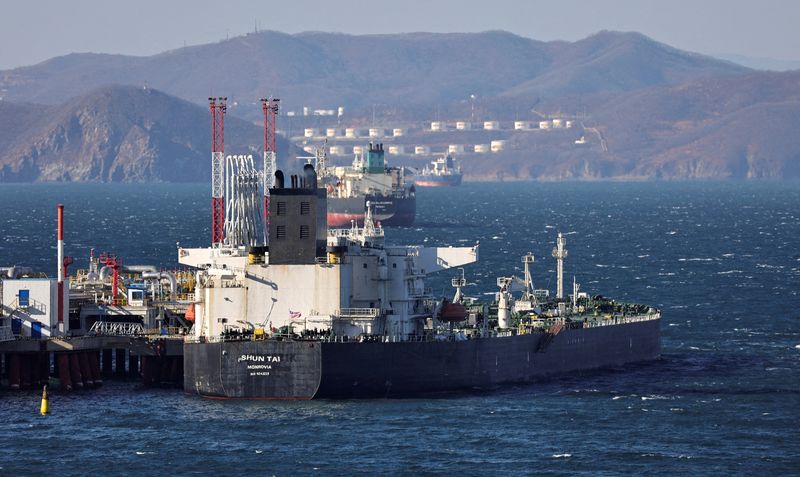
The United States extended its suspension of sanctions on Russian oil sales on the 18th, local time. With the midterm elections now less than six months away, President Donald Trump, who is struggling with declining approval ratings, appears to have ordered the extension in an effort to slow the pace of rising fuel prices.
According to a Brown University study, Americans have spent about $40 billion more, or roughly 59.73 trillion won, on fuel alone since the Iran War drove oil prices sharply higher.
Second extension since the start of the war
Treasury Secretary Scott Bessent said on X that the Ministry of Finance will issue a new 30-day license, adding, "We will temporarily allow the most vulnerable countries to access Russian oil that is currently drifting at sea."
Bessent added, "The general license will help stabilize the spot crude oil market and ensure that oil can be supplied to the countries most vulnerable to energy shortages."
With this move, the Trump administration has extended the suspension of sanctions on Russian oil for the second time, following the end of April. Bessent's earlier remark that there would be no further extension has also proven false.
Trump has grown increasingly anxious as domestic fuel prices have surged since the Iran War began on Feb. 28, and public opinion on the conflict has turned sharply negative just as the midterm elections approach.
Trump approval rating falls to lowest level since returning to office
According to the latest poll released by The New York Times (NYT) and Siena College on the day, Trump's approval rating fell to 37%, the lowest level since he returned to office.
The share of respondents who said they disapprove of his handling of the government rose to 59%.
In addition, 64% of all respondents opposed the Iran War, calling it a "wrong decision." Only 30% said it was the "right decision."
Among politically neutral independents, opposition to the Iran War reached 73%.
The key backdrop is that the Iran War is pushing up oil prices.
Americans have paid an extra $40 billion just for fuel
Brent Crude Oil, the global benchmark, has surged more than 50% since the war began and broke above $110 per barrel on the day.
Gasoline prices at U.S. gas stations are also soaring. As the country exports oil, fuel prices at home are rising as well.
According to the American Automobile Association (AAA), the average gasoline price has jumped 51% since the war began, rising to $4.52 per gallon. Diesel, a key industrial fuel, has also surged 51% to $5.63 per gallon, nearing an all-time high.
Citing a Brown University paper released that day, the Financial Times (FT) reported that Americans have paid an additional $40 billion, or about 59.73 trillion won, in fuel costs since the Iran War.
Even without factoring in other price increases triggered by the oil shock, U.S. voters are already bearing significant economic pain.
[email protected] Song Kyung-jae Reporter