Musk Loses 'Trial of the Century' Against Altman and OpenAI
- Input
- 2026-05-19 03:22:08
- Updated
- 2026-05-19 03:22:08
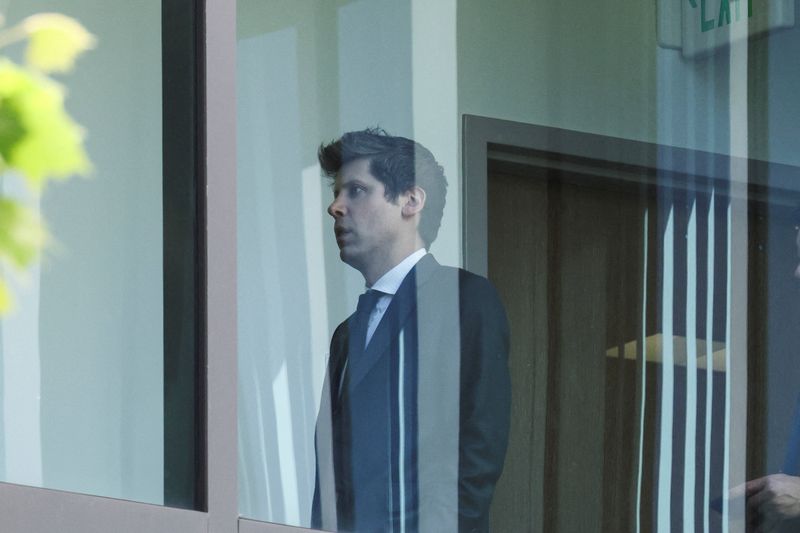
The high-profile lawsuit filed by Tesla CEO Elon Musk against OpenAI and CEO Sam Altman has ended in defeat. The case, which accused Altman and OpenAI executives of breaking their promise to pursue "nonprofit AI research for the benefit of humanity" and turning the company into a for-profit entity, was dismissed in favor of the defendants.
According to CNBC and other foreign media outlets, a jury at the United States District Court for the Northern District of California in Oakland dismissed Musk's lawsuit against OpenAI CEO Altman.
Judge Yvonne Gonzalez Rogers accepted the jury's finding that Altman and OpenAI bore no responsibility. "There is sufficient evidence to support the jury's verdict," Judge Rogers said.
After deliberating for less than two hours, the jury concluded that OpenAI was not liable. The judge also said she was prepared to immediately dismiss any appeal from Musk's side.
The warning of an "immediate dismissal" was unusual. Judge Rogers said she would throw out any appeal the moment it was filed.
That appears to be because she found Musk's claims and any appeal arguments legally and evidentially baseless.
Earlier, Musk argued that when he donated about $38 million at OpenAI's founding in 2015, it was for the "benefit of humanity." He said OpenAI's shift to a for-profit structure violated that promise and was tantamount to "stealing a charity." Musk helped launch OpenAI in 2015 but left the board three years later.
Musk also added Microsoft, which began investing in OpenAI in early 2019, to the lawsuit. He claimed Microsoft aided and conspired in OpenAI's alleged breach of its public-benefit trust obligations.
Musk's side demanded that OpenAI and Microsoft give up what it called "ill-gotten gains" worth as much as $134 billion, remove Altman and OpenAI Chairman Greg Brockman, and invalidate last year's restructuring that enabled the growth of the for-profit arm.
OpenAI countered that Musk's donations came with no conditions and that the move to a for-profit structure was driven by the need to raise massive capital to compete with giants such as Google.
It also revealed that Musk himself had once proposed a for-profit conversion on the condition that he would retain control, and had tried to merge OpenAI into Tesla.
OpenAI argued that Musk's lawsuit was a stalling tactic designed to create a favorable environment for his own artificial intelligence company, xAI.
Musk founded the AI research lab xAI in 2023. It is now a subsidiary of SpaceX.
The lawsuit was filed ahead of the planned initial public offering of SpaceX, Musk's space company, which is widely expected to become one of the largest in history, as well as OpenAI's own IPO this year.
SpaceX is expected to begin its IPO process as early as the 20th, starting with the release of its prospectus. Its first trading day on the NASDAQ Stock Exchange is expected next month on the 12th.
OpenAI is also expected to see an IPO success on par with SpaceX.
Meanwhile, Musk's legal battle has effectively come to an end.
Because appellate courts rarely revisit factual findings established at trial, analysts say any appeal by Musk is likely to be dismissed.
[email protected] Song Kyung-jae Reporter