U.S.-China Fact Sheet: U.S. Agricultural Purchases, Trade Committee Set Up, North Korea Denuclearization
- Input
- 2026-05-18 06:11:54
- Updated
- 2026-05-18 06:11:54
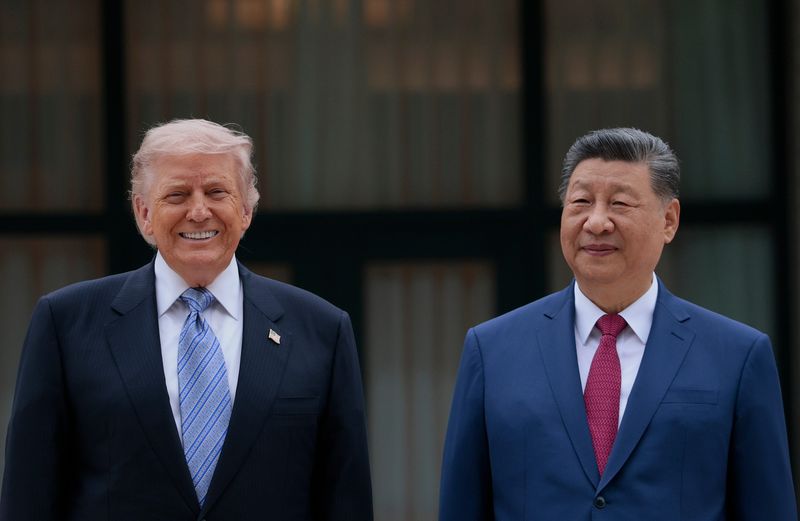
[Financial News] On the 17th local time, the White House released a fact sheet outlining the results of U.S. President Donald Trump's visit to China from the 13th to the 15th. China was said to have agreed to expand imports of U.S. agricultural products and to establish a U.S.-China trade committee. The two sides also confirmed that North Korea's denuclearization is a shared goal.
Annual U.S. agricultural purchases worth 25 trillion won, U.S.-China trade committee established
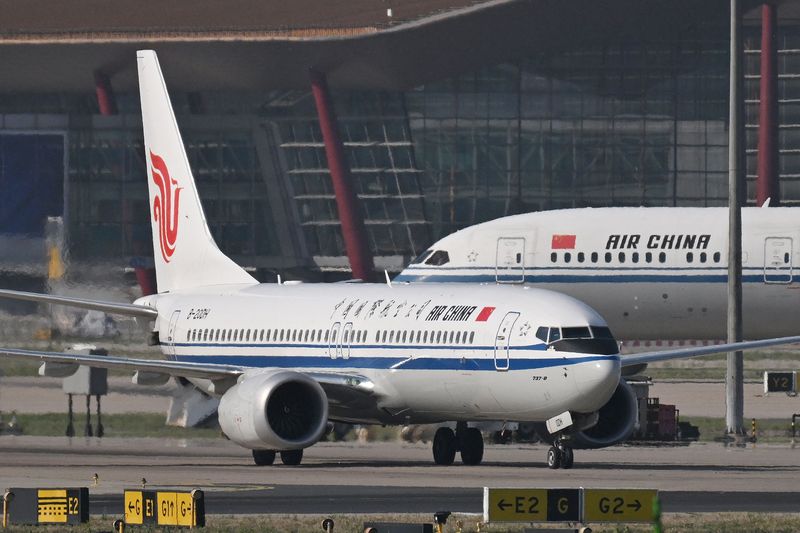
In the fact sheet released on its website, the White House said China agreed to buy at least $17 billion, or about 25.5 trillion won, worth of U.S. agricultural products each year through 2028. Since Trump is set to leave office in January 2029, the move is effectively seen as a commitment to keep buying U.S. farm goods for the remainder of the second Trump administration.China also agreed to renew export licenses to China for more than 400 U.S. beef facilities. The fact sheet said China would work with U.S. regulators to remove all restrictions on U.S. beef plants. It also said China would buy 200 Boeing aircraft and resume poultry imports from U.S. states designated as free of highly pathogenic avian influenza.
There was no specific bilateral agreement on rare earths and critical minerals, which had hurt the U.S. economy and security through China's export controls. In the fact sheet, the White House cited yttrium, scandium, neodymium and indium as examples and said that "China will address U.S. concerns regarding supply chain shortages." It also used the same wording regarding China's bans or restrictions on the sale of equipment and technology used in rare earth production and processing.
The two leaders also agreed to establish a trade committee and an investment committee. The White House said the trade committee would handle trade in non-sensitive goods, while the investment committee would serve as an official channel for investment talks between the two governments. The White House emphasized that "the President of the United States and Chinese President Xi Jinping agreed that the United States and China should build a constructive relationship of strategic stability based on fairness and reciprocity." It added that "the President of the United States negotiated comprehensive commitments that will create high-paying jobs and open new markets for American products."
Confirmation of North Korea denuclearization, claims of agreement on Iran issue
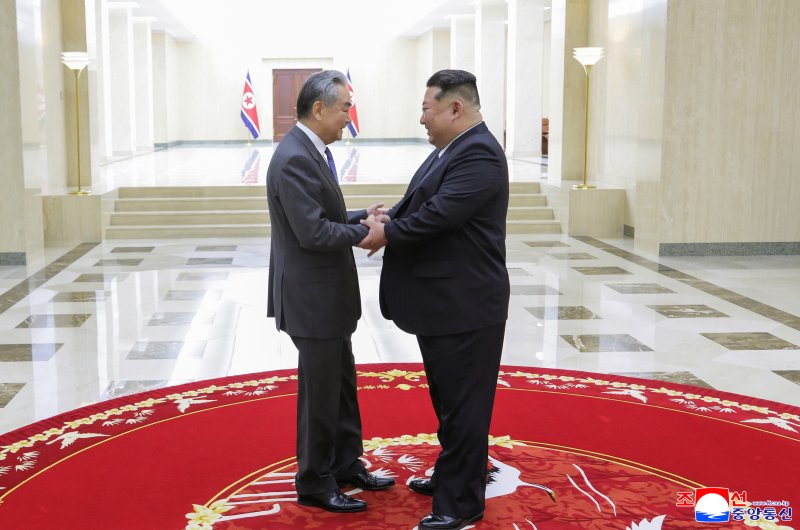
In the fact sheet released on the 17th, the White House said the two leaders "reaffirmed the shared goal of North Korea's denuclearization," but gave no further details. Trump had previously confirmed with Xi his commitment to pursue North Korea's denuclearization during a U.S.-China summit in November 2017, and former U.S. President Joe Biden also stressed denuclearization of the Korean Peninsula at a U.S.-China summit in November 2023. During their summit on the 14th and 15th, Trump and Xi did not mention North Korea at all in their public remarks. When asked on the 15th whether North Korea had been discussed, Trump replied, "Yes." Jamieson Greer, the U.S. Trade Representative who accompanied Trump on the trip, said in an ABC News interview on the 17th that when asked what Trump achieved on this visit to China, the two leaders "agreed to maintain the goal of denuclearizing the Korean Peninsula."China's position, however, was not confirmed. Xinhua News Agency reported after the summit on the 14th that the two leaders exchanged views on major international and regional issues, including the situation in the Middle East, the Ukraine crisis and the Korean Peninsula, but gave no further details.
Meanwhile, the White House claimed in the fact sheet that the two leaders agreed that Iran must not obtain nuclear weapons and called for the Strait of Hormuz to remain open. The two sides also agreed that no country or entity may be allowed to impose transit fees on passage through the Strait of Hormuz. Greer of USTR claimed that "the two leaders agreed that the Strait of Hormuz should be open and clear without transit fees." When asked what China had promised to do to keep the Strait of Hormuz open, Greer said, "The President did not ask China to take action in the Strait of Hormuz during the meeting." He added, "The President was very focused on ensuring they do not provide material support to Iran, and that was the commitment he secured and confirmed."
[email protected] Park Jong-won Reporter