[Editorial] The U.S.-China summit opens opportunities, but a crisis-management strategy is needed
- Input
- 2026-05-14 18:36:21
- Updated
- 2026-05-14 18:36:21
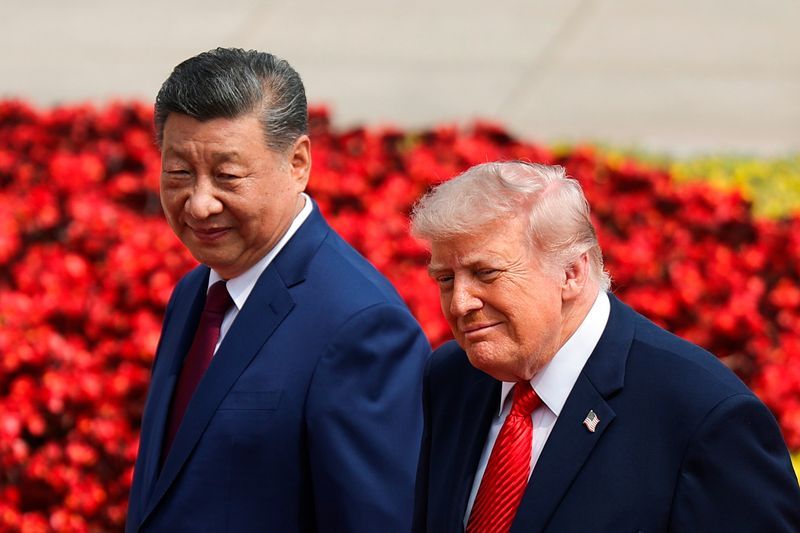
However, the global power rivalry will not suddenly shift into reconciliation simply because the two leaders met. The essence of this summit is better understood as "managing relations amid conflict" rather than a dramatic thaw. The U.S.-China rivalry stems from deep structural tensions that have accumulated over time.
No fundamental issue has been fully resolved, whether it is technological supremacy, Taiwan, or military and security competition. Xi’s warning at the summit that "if the Taiwan issue is mishandled, the entire bilateral relationship could face a very dangerous situation" shows that military friction and tension still lurk beneath the warm atmosphere. Although Trump described the meeting as a beautiful encounter, the structural conflict remains unresolved.
It is also important to note that domestic political factors played a major role in prompting both sides to step back. The United States is facing inflation and economic uncertainty triggered by the tariff war, while China is under pressure from weak domestic demand and slowing exports. Both sides have concluded that a confrontation resembling a chicken game would bring more losses than gains in the short term. This summit is closer to a temporary truce created by compromise to maximize each side’s interests.
We must closely watch changes in relations between these two major powers. The United States and China are South Korea’s two largest trading partners and key variables in its security environment. Any shift in their relationship will have enormous repercussions for South Korea’s economy, diplomacy, and security. For that reason, it is advisable to maintain a cautious and conservative view of the outcome of this U.S.-China summit. Under the assumption that tensions could flare up again at any time, South Korea should continue, without slowing or stopping, its efforts to diversify export markets and broaden its supply chain portfolio.
At the same time, the opportunities opened by this summit should not be missed. It is worth noting that major figures from the U.S. business world, including Elon Musk, Jensen Huang, and Tim Cook, joined the delegation to China. Xi’s response that "the door to China’s opening will only grow wider" can also be seen as leaving room for greater access to the Chinese market and export opportunities. If easing tensions between the United States and China gives the Chinese market new breathing room, Korean companies could find new channels for export expansion and renewed cooperation.
This is truly an era of pragmatic diplomacy. If it serves the national interest, using flexible diplomacy to pursue practical gains is now a global trend. In this changing international order, South Korea needs an active diplomatic strategy that can manage crises wisely and make the most of emerging opportunities.