"Big pharma is in a war of layoffs, but..." Growing concern over a prolonged strike at Samsung Biologics
- Input
- 2026-05-14 14:19:01
- Updated
- 2026-05-14 14:19:01
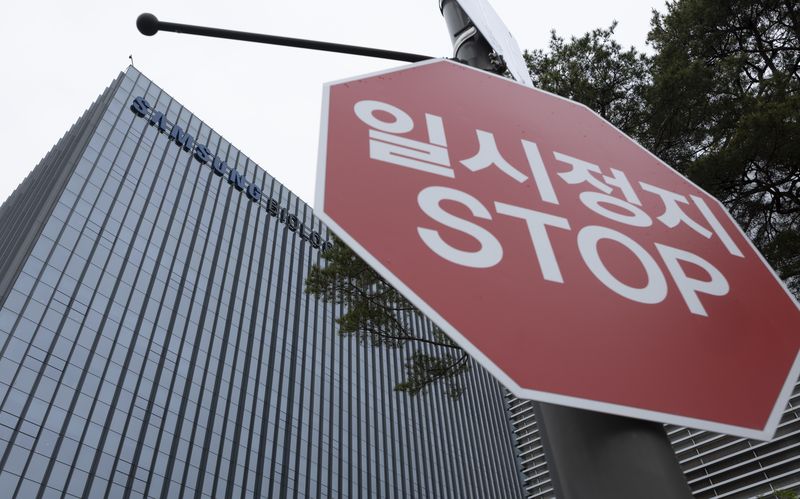
[Financial News] As the global pharmaceutical and biotech industry enters an unprecedented wave of restructuring, concerns are mounting because the Samsung Biologics labor union is continuing its strike stance while demanding better treatment. With major global big pharma clients cutting jobs and costs on a large scale to survive, critics say the union is focusing on short-term compensation demands and increasing the risk of production disruptions.
According to the pharmaceutical and biotech industry on the 14th, Takeda Pharmaceutical Company Limited, Japan's largest drugmaker, announced plans to cut about 4,500 jobs by the end of the year.
Novo Nordisk, which grew rapidly on the back of the obesity drug boom, is also pushing ahead with plans to reduce its workforce by 9,000, or about 11% of its total staff. In Denmark alone, 5,000 people are expected to lose their jobs, which would mark the largest layoff in the country's history.
Pfizer Inc. has also begun involuntary workforce reductions aimed at cutting costs by up to $7.7 billion by 2027. Merck & Co., Inc. and Bristol Myers Squibb are also shedding 6,000 and 2,200 employees, respectively, as leading global companies push ahead with organizational overhaul to strengthen their fundamentals.
As competition in the global market intensifies, a sense of urgent crisis for survival is weighing even on global big pharma.
Samsung Biologics, however, is moving in a completely different direction. After its first strike, the Samsung Biologics Win-Win Labor Union has continued its compliance-based protest, and it has left open the possibility of additional strikes if its demands are not met.
Based on company estimates, the five-day strike is believed to have caused losses of about 150 billion won. The problem is that in the Contract Development and Manufacturing Organization (CDMO) industry, production stability and reliable delivery schedules are core competitive strengths.
Industry observers say such collective action in the CDMO sector erodes order competitiveness from within. Because customers who leave are extremely difficult to win back, the union's hardline approach could boomerang and threaten the very order opportunities that support the company's survival.
Excessive union demands could also block timely investment by the company. In a business model where proactive facility expansion and process upgrades determine success, competitiveness will inevitably weaken if resources are diverted into conflict costs rather than future growth.
Some analysts say that a struggle focused on immediate gains will ultimately hand global latecomers a reason to catch up, undermining the position of the current No. 1 CDMO leader.
“At a time when global big pharma companies are even accepting large-scale restructuring to defend their competitiveness, repeated internal strikes can send a negative signal to the market,” an industry source said. “In the end, the damage could extend to both corporate competitiveness and job stability for employees.”
vrdw88@fnnews.com Kang Jung-mo Reporter