Supreme Court Says Semiconductor 'Ultra-Pure Water Technology' Also Qualifies as a National Advanced Technology... Case Sent Back for Retrial on Grounds of Guilty Verdict for Leaking Employee
- Input
- 2026-05-14 11:39:26
- Updated
- 2026-05-14 11:39:26
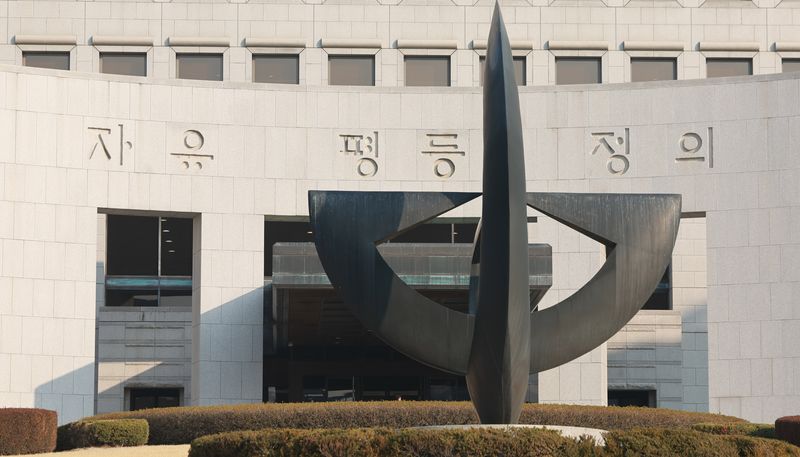
[Financial News] The Supreme Court of Korea has sent back the case of a former employee who leaked Samsung Engineering's core technology when he moved to a Chinese semiconductor consulting firm, ordering a fresh review of whether he should also be found guilty of violating the Act on Prevention of Divulgence and Protection of Industrial Technology.
On the 14th, the Supreme Court's Second Division, led by Justice Kwon Young-jun, overturned a lower court ruling that had acquitted A of violating the industrial technology protection law and sent the case back to the Seoul Central District Court in A's appeal trial on charges including violations of the Act on Prevention of Divulgence and Protection of Industrial Technology and breach of trust in the course of duty.
A, who was in charge of construction management for the ultra-pure water system at Samsung Engineering, was indicted for sending or printing out key materials such as design templates, control algorithms and equipment specifications to a personal email account before leaving the company in 2019. He later joined Jinsemi, a Chinese semiconductor consulting firm, taking those materials with him. Ultra-pure water is extremely clean water used in semiconductor manufacturing processes.
The trial court and appellate court both found A guilty of breach of trust in the course of duty and leaking trade secrets, sentencing him to three years in prison. However, they acquitted him of violating the industrial technology protection law. They said the technology did not fall under the subcategory of "fresh water" in the Ministry of Trade, Industry and Energy's notice on the "plant engineering" sector. At the time, the lower court interpreted "fresh water" narrowly as only technology that turns seawater into fresh water, and ruled that semiconductor ultra-pure water technology for treating industrial water was not included.
For example, if a law says that "injury using a tool" is punishable, it would be similar to a court narrowly interpreting the word "tool" and ruling that a headbutt using a body part does not qualify, thereby issuing an acquittal.
Considering the legislative purposes of the Act on Prevention of Divulgence and Protection of Industrial Technology and the Industrial Development Act, the Supreme Court said the term "fresh water" in the notice should be interpreted to include not only cases where the intended use is fresh water, but also cases where the source water itself is fresh water, such as industrial water.
The ruling appears to have taken into account the practical value of the technology and its impact on the national economy, rather than limiting legal interpretation to the wording of the government notice itself.
The Supreme Court said it had "confirmed that the design and construction technology for ultra-pure water systems used in semiconductor manufacturing can qualify as an advanced technology."
[email protected] Lee Hwan-ju Reporter