U.S. 30-Year Treasury Yield Breaks Above 5%... Is the 'Door to Doom' Opening?
- Input
- 2026-05-14 07:21:08
- Updated
- 2026-05-14 07:21:08
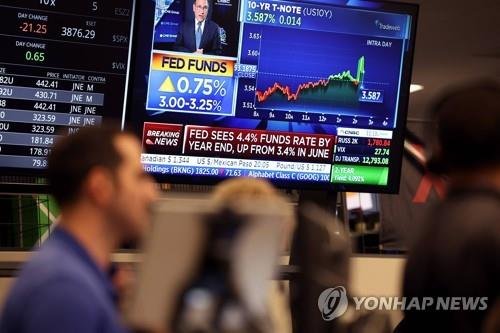
[Financial News] The yield on the U.S. 30-year Treasury bond auction rose above 5% for the first time in nearly 19 years. Analysts say the long-term Treasury market is being shaken by surging oil prices driven by the U.S.-Iran war, inflation concerns, and the growing burden of a widening U.S. fiscal deficit.
According to the United States Department of the Treasury on the 13th local time, the 30-year Treasury auction held that day for $25 billion, or about 37.2375 trillion won, was awarded at a yield of 5.046%.
It was the first time since 2007, just before the Global Financial Crisis (GFC), that the yield on a U.S. 30-year Treasury bond auction in the primary market has exceeded 5%.
Bond yields and prices move in opposite directions. This result means the U.S. 30-year Treasury bond was sold at its lowest price level in about 19 years.
As energy prices have surged since the U.S.-Iran war, inflation worries are rising rapidly in the market. Expectations of higher U.S. fiscal spending if the war drags on have also fueled concerns over the national debt burden, adding to bond selling.
According to Tradeweb, the yield on the U.S. 30-year Treasury bond jumped from around 4.63% just before the outbreak of the U.S.-Iran war to 5.03% on the day, an increase of about 0.40 percentage points.
Inflation data is also adding to market anxiety. The U.S. Consumer Price Index (CPI) for April, released the previous day, rose 3.8% from a year earlier, marking the sharpest increase in about three years.
The April Producer Price Index (PPI), released the same day, also rose 6.0% from a year earlier on the back of surging energy prices, posting the fastest increase since December 2022.
The yield on the U.S. 30-year Treasury bond serves as a benchmark for 30-year fixed-rate mortgages and high-grade corporate bonds in the United States. If long-term rates spike, corporate financing costs and household borrowing burdens could rise as well.
Michael Hartnett, chief investment strategist at BofA, recently called the 5% level on the U.S. 30-year Treasury bond yield a "red line" in an investor note. He warned that if long-term rates move above that level, "the door to doom could open."
[email protected] Kim Kyung-min Reporter