Even After Warsh's Confirmation, "The Rate-Cut Cycle Is Over"... U.S. Mortgage and TIPS Prices Surge
- Input
- 2026-05-14 04:34:14
- Updated
- 2026-05-14 04:34:14
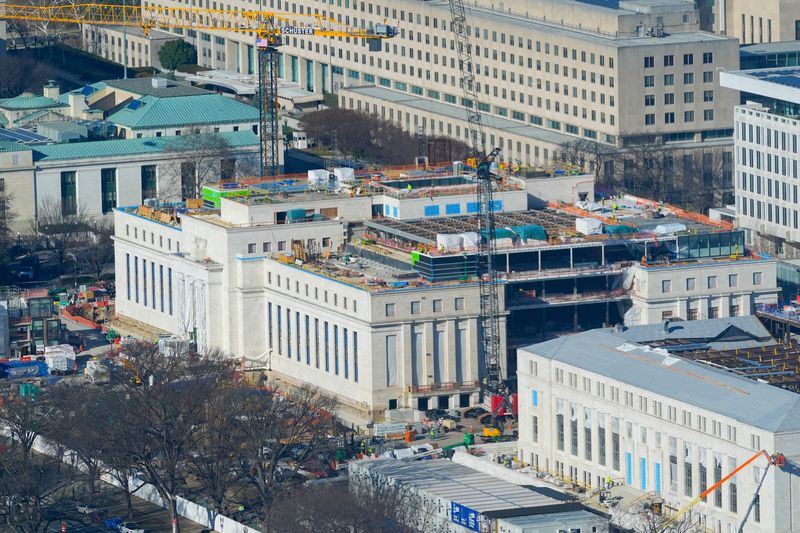
U.S. financial markets have begun bracing for interest-rate hikes driven by inflation.
Consumer News and Business Channel (CNBC) reported on the 13th local time, citing Mortgage News Daily (MND), that the U.S. 30-year fixed mortgage rate surged to 6.57% amid unusually overheated inflation. That was up 0.15 percentage point from the 8th and marked the highest level since March.
Mortgage rates jumped after March Consumer Price Index (CPI) data released the previous day showed prices rising 3.8% from a year earlier, the highest level in about three years since May 2023. The March Producer Price Index (PPI), released the same day, also showed a 6.0% surge, the steepest in four years.
Matthew Graham, chief operating officer at MND, said, "PPI is generally not considered as important as CPI," suggesting that markets were shaken as PPI also surged following the previous day's CPI spike.
Earlier, The Wall Street Journal reported in an analysis piece on the 12th that U.S. financial markets were facing fears of "long-term inflation expectations becoming entrenched."
For years, markets had believed that long-term inflation would remain stable even if oil prices jumped. But that belief has been shaken as recent inflation expectations have hit their highest levels in years.
Based on the flow of Treasury Inflation-Protected Securities (TIPS), which preserve principal in line with inflation, markets now appear to be starting to worry about rising prices. Investors are beginning to expect U.S. inflation to stay at 2.5% to 2.7% over the next five to 10 years, well above the Federal Reserve's 2% target. The surge in the breakeven inflation rate (BEI), calculated by subtracting TIPS yields from nominal Treasury yields, reflects that shift.
This is a powerful factor that puts pressure on the Fed to raise rates.
That is because the belief that prices will keep rising can trigger a vicious cycle of companies raising prices and wages climbing in response, a form of self-fulfilling prophecy. If inflation expectations do not ease, the Fed may have to reverse course and raise rates instead of cutting them.
Jack Griffiths, head of macro strategy at research firm Creditsights, said, "The Fed had been comforted by the market's stable inflation outlook, but that support is now weakening," adding that the central bank may ultimately have to reconsider rate hikes.
Kevin Warsh, the Fed chair nominee who has promised rate cuts, cleared United States Senate confirmation on the 13th and will succeed Jerome Powell on the 15th, but the outlook has become uncertain. Given the macroeconomic indicators, the Fed's path toward rate cuts is unlikely to be smooth.
It is also possible that Warsh could abruptly revise monetary policy at the Federal Open Market Committee (FOMC) meeting on the 16th and 17th of next month, his first since taking office, by shifting to rate hikes later this year.
[email protected] Song Kyung-jae Reporter